
Amphibian · GBIF taxon 2426776
Oregon Spotted Frog
Rana pretiosaOregon spotted frogs spend nearly their entire lives submerged or closely tied to warm, heavily vegetated shallow marshes and slow-moving streams. Early in spring, females gather in communal communal laying sites to deposit large, unattached egg clusters in shallow water. Populations have declined dramatically across the Pacific Northwest due to wetland drainage, invasive bullfrogs, and habitat degradation.
AquaticAmphibianPacific Northwest
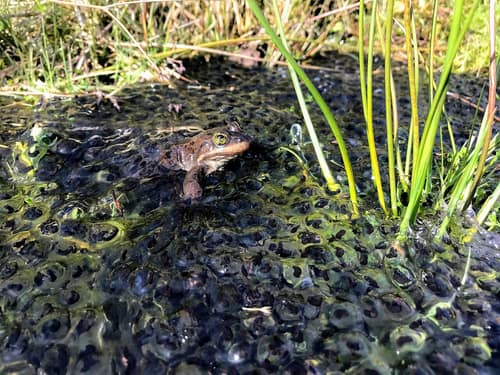
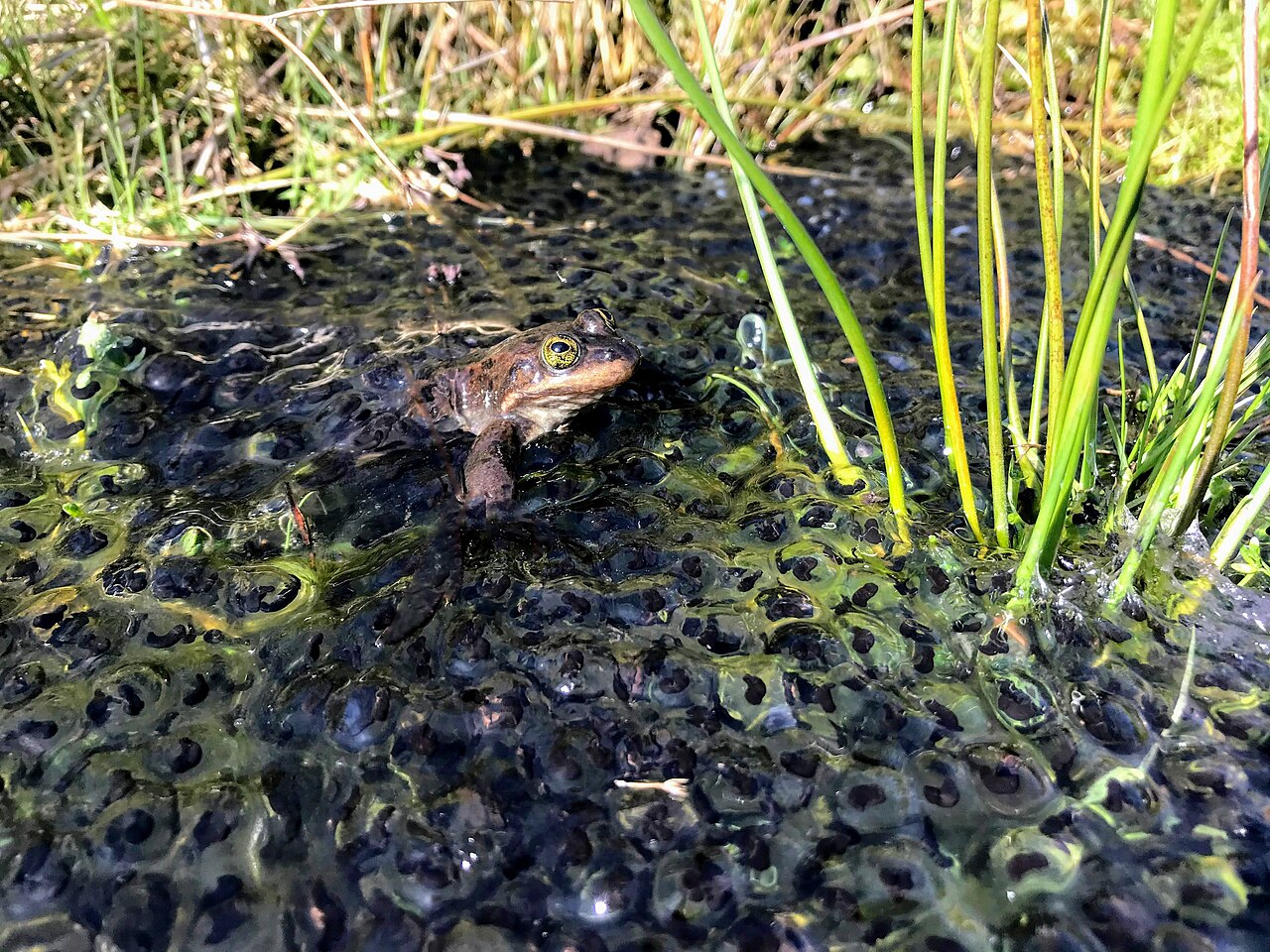
Licensed referenceRyan Munes/USFWS Pacific / Public domain · cc0
—observations
—countries
—peak records
VulnerableConservation statusIUCN Red List categoriesLCNTVUENCREWEXVulnerableRed List categories, explained →
Diet & prey
- Beetles
- Flies
- Spiders
Predators
- American Bullfrog
- Garter Snake
- Herons
ThreatsWetland loss, invasive bullfrogs, and reed canary grass encroachment
HabitatsPerennial shallow marshes, wet meadows, and quiet stream margins
Life span7–12 years
Size / weightNot available
Classification
- FamilyRanidae
- SpeciesRana pretiosa
Range data is not available yet.
Interaction riskLow
- Low
- Moderate
- High
- Very high
- Why interaction risk is low
- Safe to observe at a normal distance.
- What to notice
- Recognizable by eyes turned upward, dark spots with light centers, and a warm red-orange wash on the underside.
- Support conservation
- Observe quietly from the shoreline without disturbing aquatic vegetation or entering egg-laying pools.
Responsible observation
- Look in Shallows: Search warm, vegetation-rich marsh edges during bright spring mornings.
- Listen for Calls: Males produce subtle, low-pitched tapping sounds underwater or at the surface.
- Avoid Skin Contact: Keep hands clean and avoid touching amphibians to prevent disease spread.
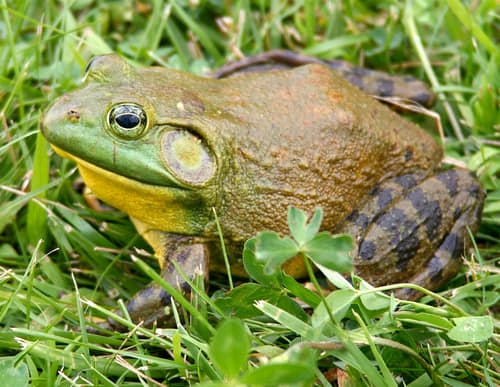
Competitor Carl D. Howe / CC BY-SA 2.5 · cc-by-sa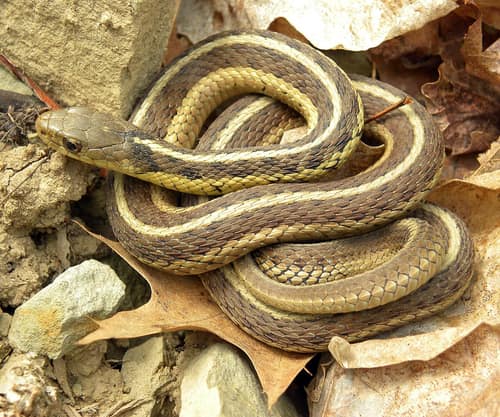
Predator Wilson44691 / Public domain · cc0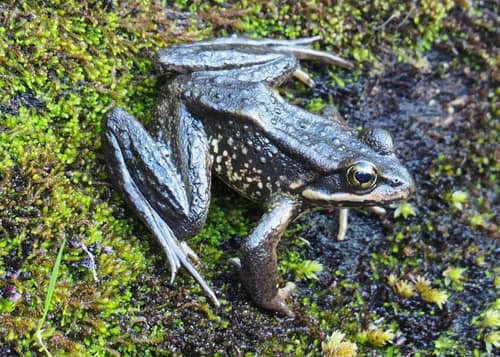
Close Relative (c) John G. Phillips, some rights reserved (CC BY), uploaded by John G. Phillips · cc-by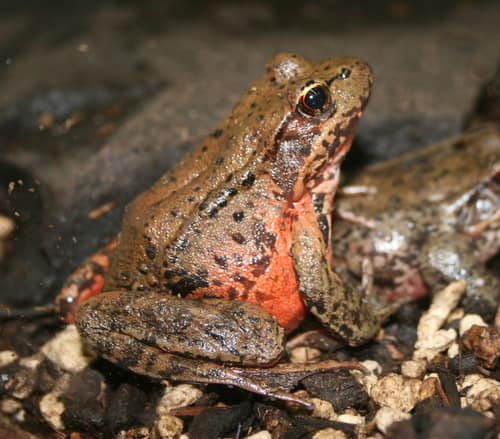
Close Relative (c) born1945, some rights reserved (CC BY) · cc-by
Help improve the field guideSomething wrong?
Checking your Fauna account…Report a name, category, or profile issue for review.