
Amphibian · GBIF taxon 2426771
Cascades Frog
Rana cascadaeAlso known as Cascade Frog
Cascades frogs thrive in the crisp, high-altitude wetlands of the Pacific Northwest, recognized by their warm honey-tan coloration and yellow inner thighs. During short mountain summers, adults bask along sunny pond edges and forage heavily before spending up to seven months hibernating under deep mud or ice. Their faint chuckling mating calls sound remarkably like a muffled purr echoing across subalpine meadows.
AmphibianMontanePacific Northwest
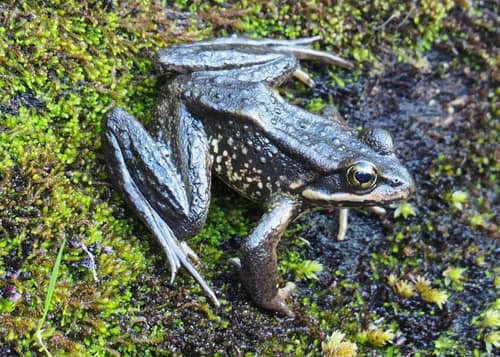
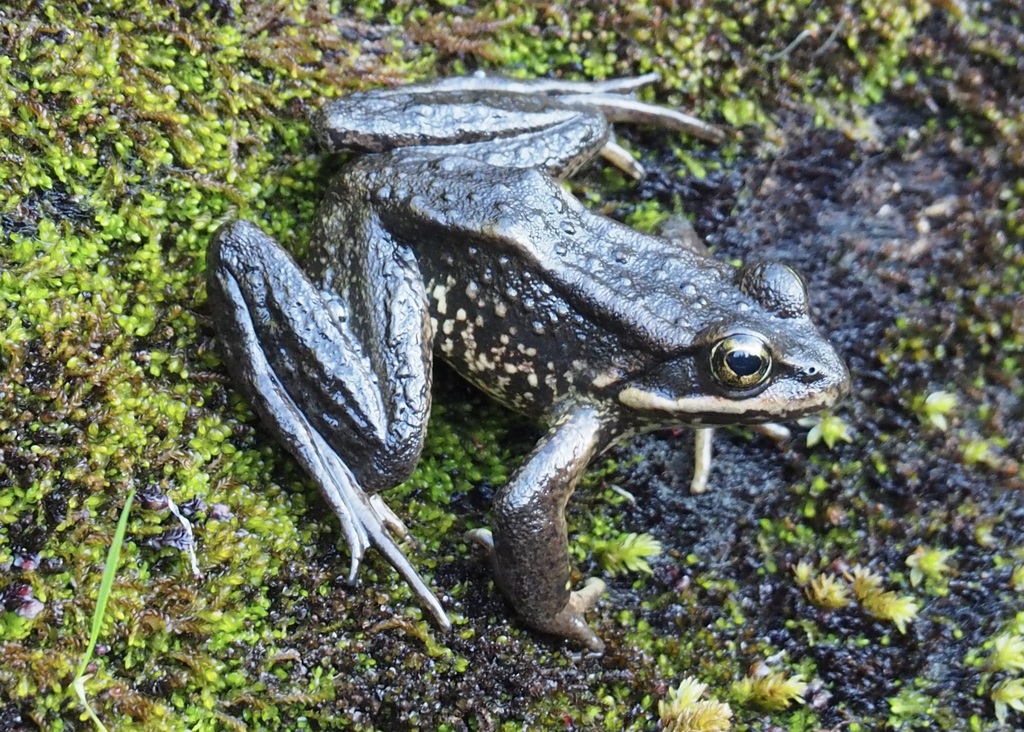 1 / 7
1 / 7—observations
—countries
—peak records
Least ConcernConservation statusIUCN Red List categoriesLCNTVUENCREWEXLeast ConcernRed List categories, explained →
Diet & prey
- Insects
- Spiders
- Mites
Predators
- Garter snakes
- Trout
- Herons
ThreatsChytrid fungus, warming climates, introduced fish, and severe drought
HabitatsSubalpine meadows, mountain ponds, streams, and alpine lakes
Life span5–10 years
Size / weightNot available
Classification
- FamilyRanidae
- SpeciesRana cascadae
Range data is not available yet.
Interaction riskLow
- Low
- Moderate
- High
- Very high
- Why interaction risk is low
- Safe to observe at a normal distance.
- What to notice
- Look for a golden-tan frog with dark back spots and bright yellow inner thighs in mountain pools.
- Support conservation
- Stay on established trails around delicate subalpine wetlands to protect shoreline egg sites.
Responsible observation
- Observation: Walk quietly along pond margins to avoid scaring frogs into deep water.
- Biosecurity: Disinfect boots and aquatic gear between locations to prevent pathogen spread.
- Handling: Keep hands off amphibians since skin absorption of chemicals causes severe harm.
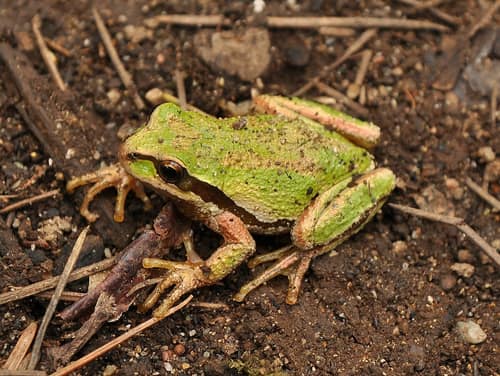
Frequent Companion The High Fin Sperm Whale / CC BY-SA 3.0 · cc-by-sa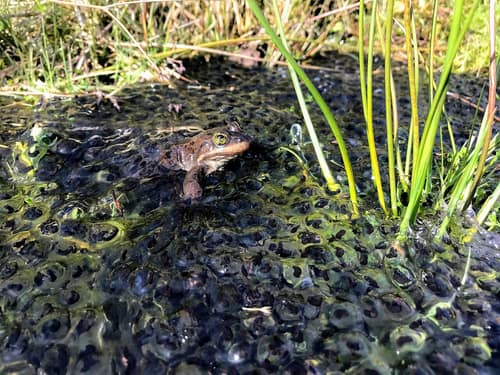
Close Relative Ryan Munes/USFWS Pacific / Public domain · cc0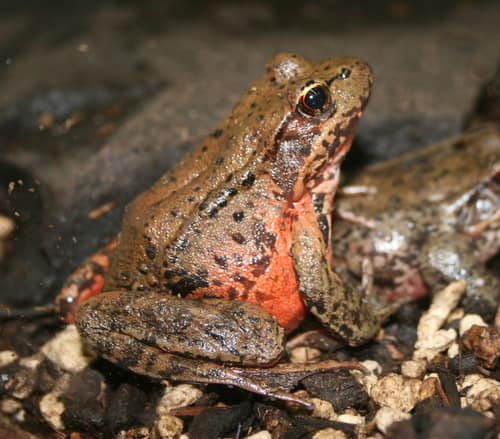
Close Relative (c) born1945, some rights reserved (CC BY) · cc-by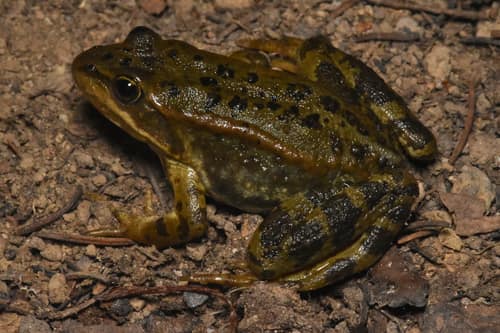
Close Relative no rights reserved, uploaded by Braden J. Judson · cc0
Help improve the field guideSomething wrong?
Checking your Fauna account…Report a name, category, or profile issue for review.