
Amphibian
Greenhouse Frog
Eleutherodactylus planirostrisAlso known as Flat-headed Frog, Cuban Greenhouse Frog
Greenhouse frogs are tiny nocturnal amphibians renowned for bypassing the free-swimming tadpole stage entirely, hatching from eggs hidden in damp soil as fully formed miniature froglets. Native to the Caribbean, these stealthy hitchhikers have spread globally through the nursery plant trade, establishing dense populations in suburban gardens and humid leaf litter. Males produce faint, insect-like chirps after twilight, making them far easier to hear than to spot among moist ground cover.
NocturnalIntroducedTerrestrial
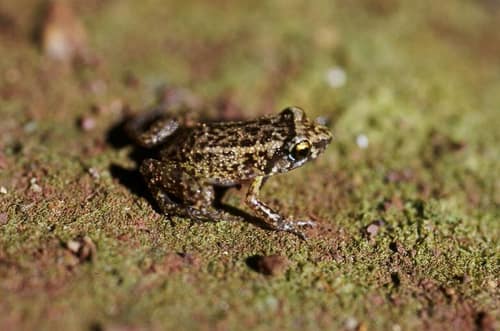
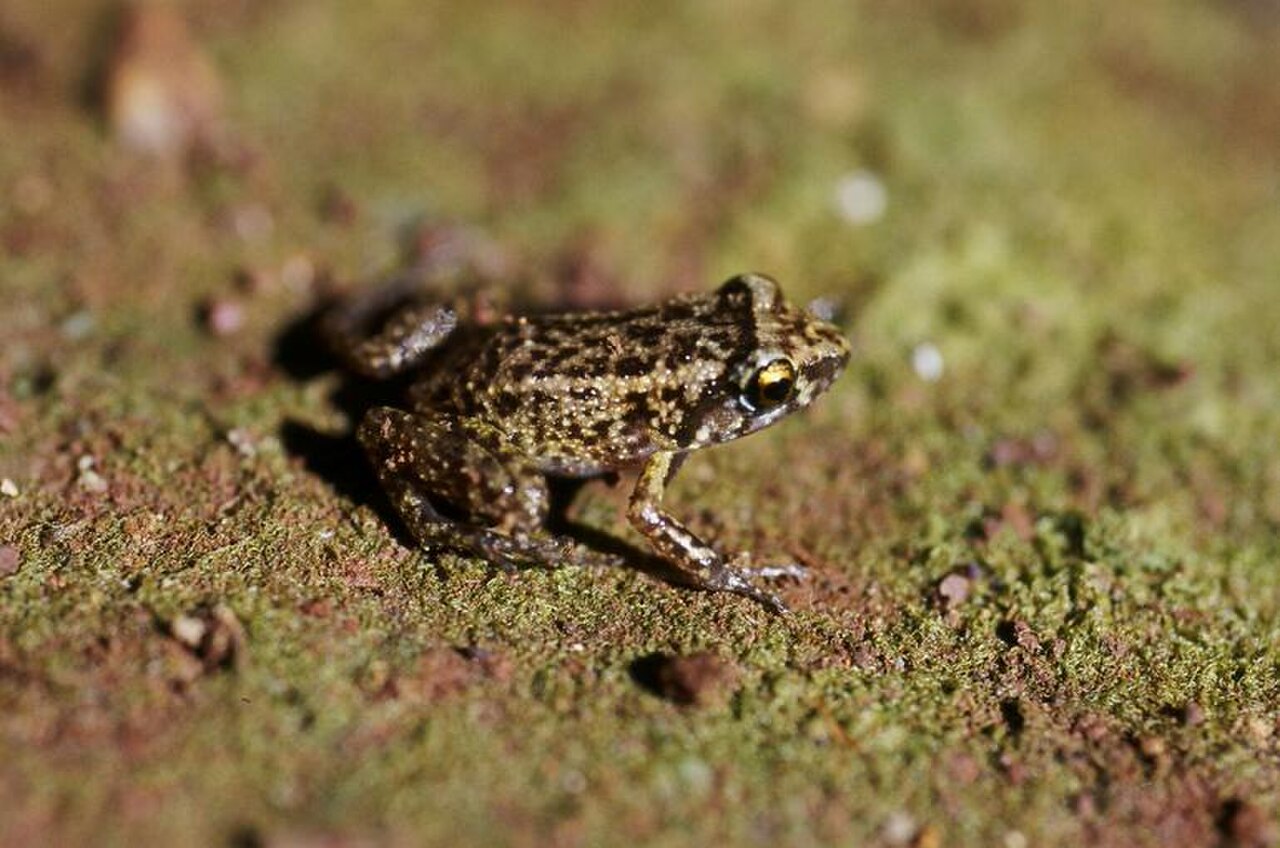
—observations
—countries
—peak records
Least ConcernConservation statusIUCN Red List categoriesLCNTVUENCREWEXLeast ConcernRed List categories, explained →
Diet & preyAnts, Beetles, Mites
Predators
- Snakes
- Larger frogs
- Spiders
ThreatsMinimal overall, though sensitive to severe drought and heavy pesticide use
HabitatsGardens, greenhouses, leaf litter, moist forests, flower beds
Life span2–4 years
Classification
- OrderAnura
- FamilyEleutherodactylidae
- GenusEleutherodactylus
- SpeciesEleutherodactylus planirostris
Range data is not available yet.
Interaction riskLow
- Low
- Moderate
- High
- Very high
- Why interaction risk is low
- Safe to observe at a normal distance.
Responsible observation
- Spotting at night: Scan damp soil and potted plant bases with a flashlight after dusk.
- Listening cues: Listen near ground level for faint, high-pitched chirps reminiscent of crickets.
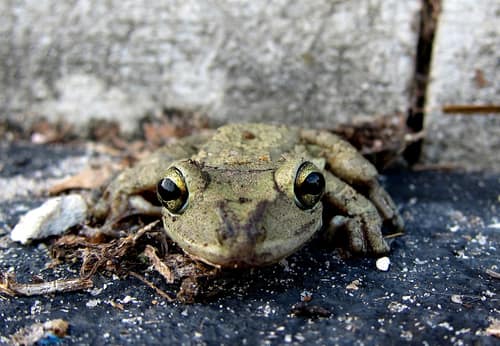
Sympatric Invasive "Cuban Tree Frog" by BigCypressNPS is marked with Public Domain Mark 1.0. To view the terms, visit https://creativecommons.org/publicdomain/mark/1.0/. · cc0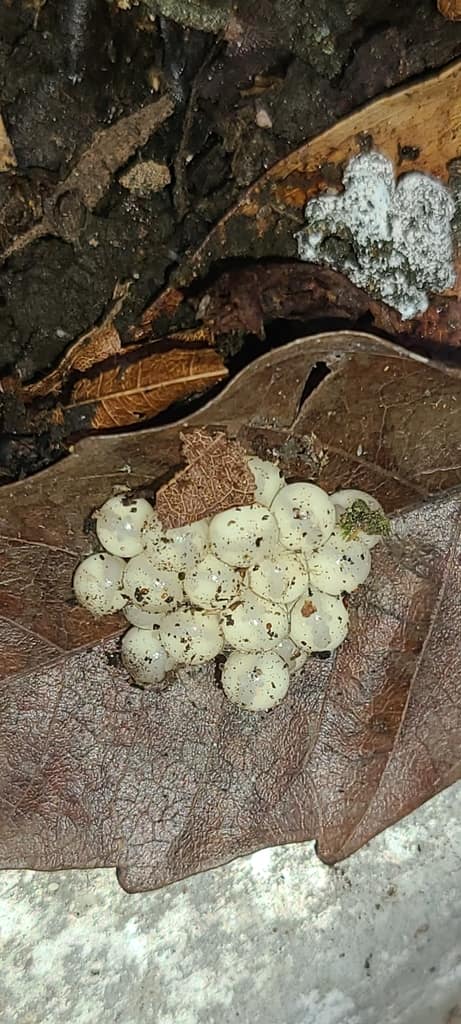
Close Relative (c) ritirene, some rights reserved (CC BY) · cc-by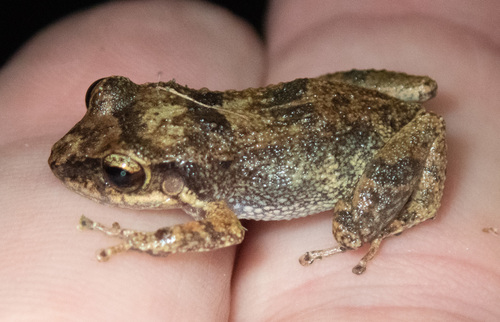
Close Relative (c) Don Loarie, some rights reserved (CC BY) · cc-by
Help improve the field guideSomething wrong?
Checking your Fauna account…Report a name, category, or profile issue for review.