
Amphibian · GBIF taxon 2424091
Common Coquí
Eleutherodactylus coquiAlso known as Coquí, Puerto Rican Coquí, Coquí Común
Common coquís bypass the free-swimming tadpole stage entirely, hatching directly from terrestrial eggs as tiny, fully formed froglets guarded by their fathers. Nocturnal males perch on moist vegetation to produce a high-decibel two-note call that deters rival males while attracting potential mates. Native to the damp forests and gardens of Puerto Rico, these adaptable tree frogs play a central role in nocturnal island ecosystems.
NocturnalAmphibianVocal
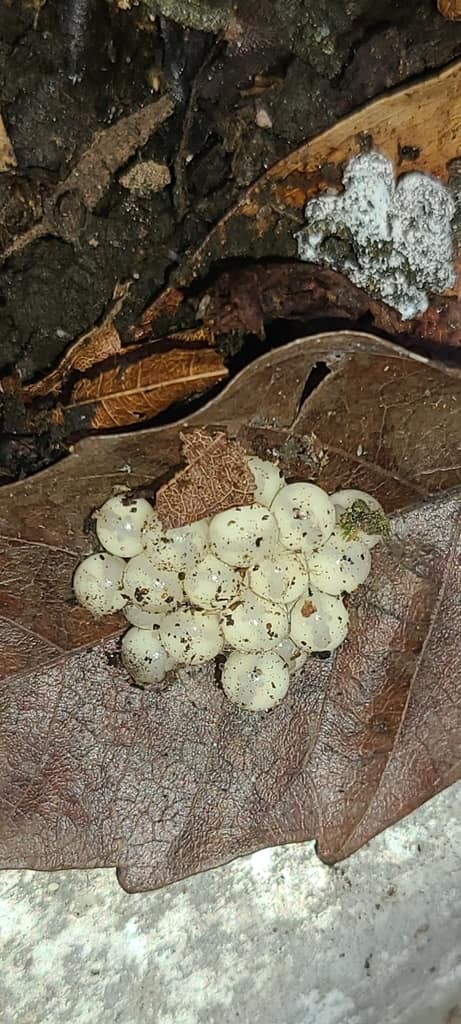
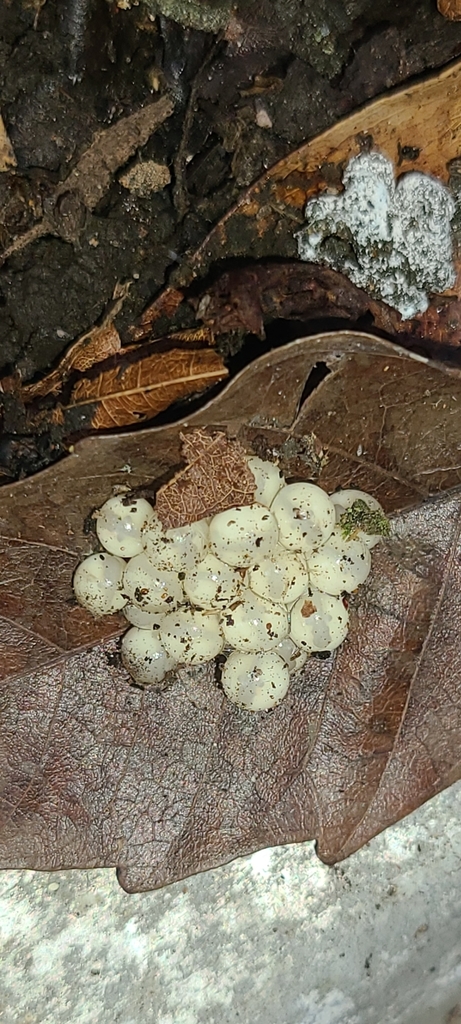
—observations
—countries
—peak records
Least ConcernConservation statusIUCN Red List categoriesLCNTVUENCREWEXLeast ConcernRed List categories, explained →
Diet & prey
- Ants
- Crickets
- Spiders
Predators
- Tarantulas
- Snakes
- Birds
ThreatsHabitat degradation, chytrid fungus, and climate change
HabitatsTropical rainforests, cloud forests, and suburban gardens
Life span4–6 years
Size / weightNot available
Classification
- FamilyEleutherodactylidae
- SpeciesEleutherodactylus coqui
Range data is not available yet.
Interaction riskLow
- Low
- Moderate
- High
- Very high
- Why interaction risk is low
- Safe to observe at a normal distance.
Responsible observation
- Listening for calls: Search low foliage and tree trunks after dusk when male calling reaches peak volume.
- Night observation: Use a red-filtered flashlight to view vocalizing frogs without startling them.
- Sanitation care: Avoid touching wild amphibians to protect their porous skin from oils and pathogens.
 Image unavailable
Close Relative Close Relative Close Relative
Help improve the field guideSomething wrong?
Checking your Fauna account…Report a name, category, or profile issue for review.