
Amphibian · GBIF taxon 2424057
Rio Grande Chirping Frog
Eleutherodactylus cystignathoidesAlso known as Mexican Chirping Frog, Lowland Chirping Frog
Rio Grande chirping frogs are tiny, ground-dwelling amphibians that bypass the free-swimming tadpole stage entirely, hatching directly from terrestrial eggs as fully formed froglets. Males produce high-pitched, insect-like chirps from concealed perches in damp leaf litter and suburban gardens after heavy rains. Their mottled brownish-grey skin provides exceptional camouflage against wet soil and decaying vegetation.
NocturnalAmphibianDirect Developer
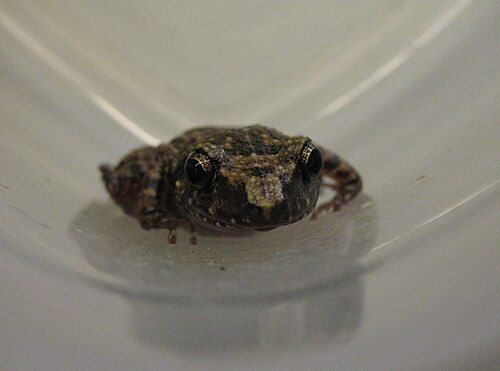
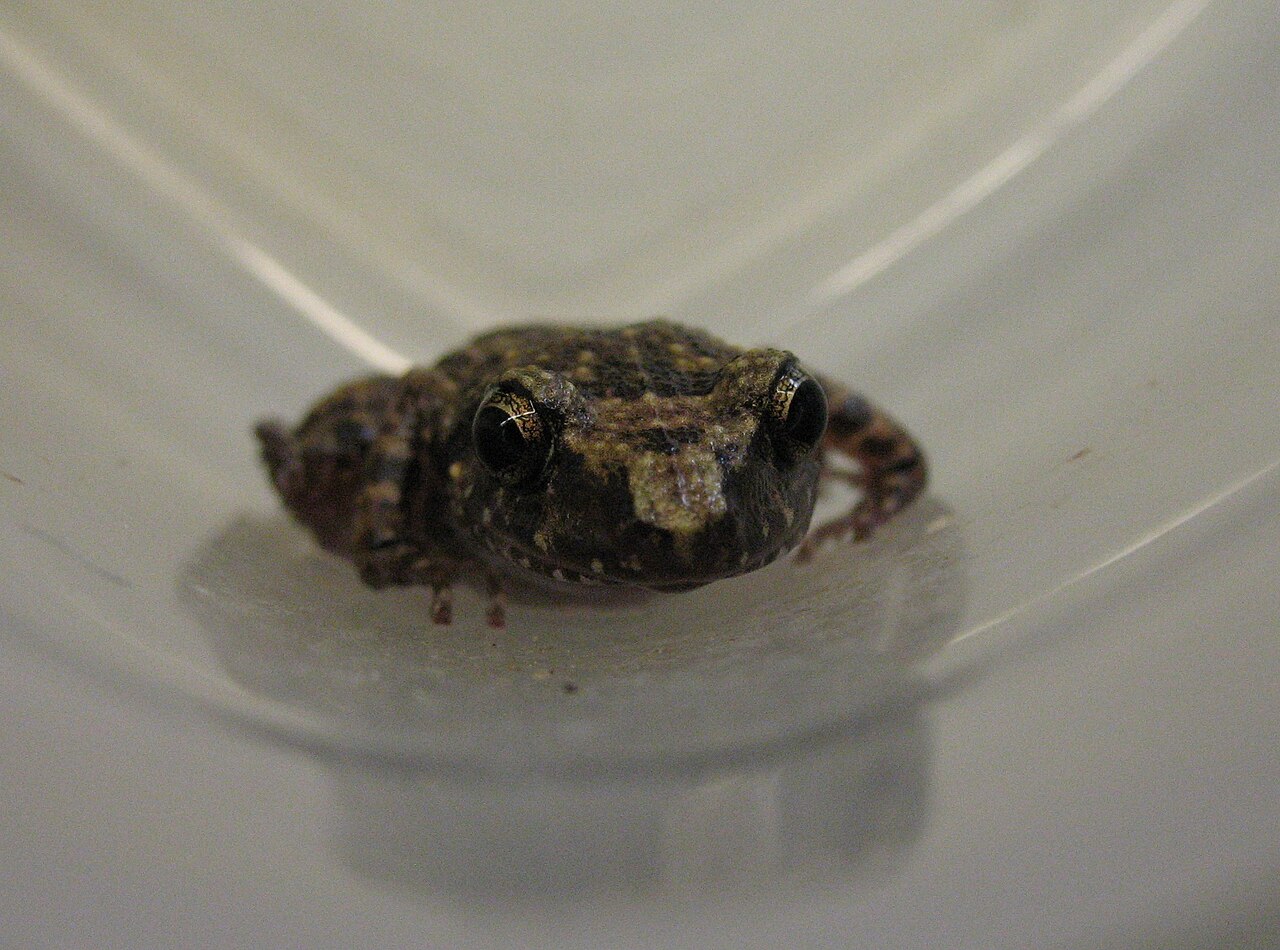
Licensed referenceBgv23 / CC BY 2.0 · cc-by
—observations
—countries
—peak records
Least ConcernConservation statusIUCN Red List categoriesLCNTVUENCREWEXLeast ConcernRed List categories, explained →
Diet & prey
- Ants
- Beetles
- Spiders
Predators
- Garter snakes
- Birds
- Large spiders
ThreatsPesticide run-off, severe drought, and habitat conversion
HabitatsMoist leaf litter, potted plants, urban gardens, and wooded valleys
Life span3–5 years
Size / weightNot available
Classification
- OrderAnura
- FamilyEleutherodactylidae
- GenusEleutherodactylus
- SpeciesEleutherodactylus cystignathoides
Range data is not available yet.
Interaction riskLow
- Low
- Moderate
- High
- Very high
- Why interaction risk is low
- Safe to observe at a normal distance.
Responsible observation
- Listen at dusk: Listen for high-pitched, insect-like chirps coming from flower beds after rain.
- Search potted plants: Look under damp nursery pots and mulch piles using a soft torch beam.
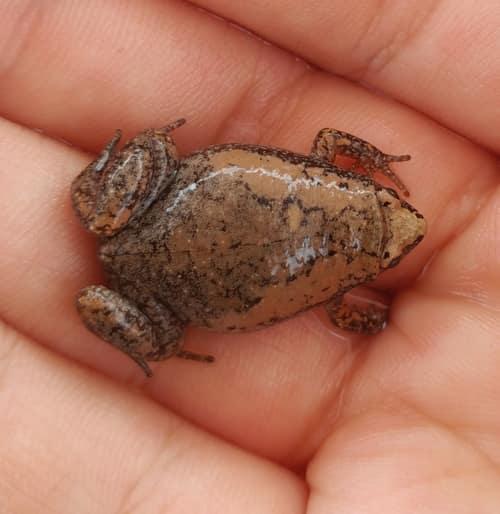
Competitor (c) Ryan Watson, some rights reserved (CC BY), uploaded by Ryan Watson · cc-by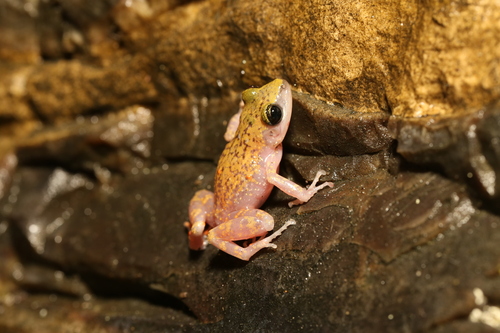
Close Relative (c) Reid Hardin, some rights reserved (CC BY) · cc-by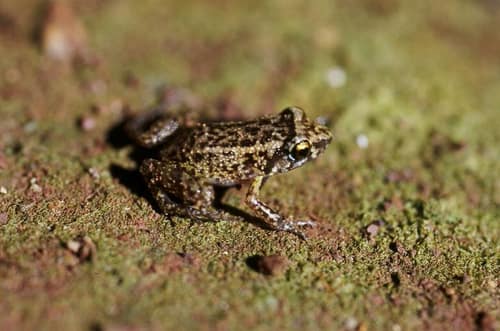
Close Relative Pierre Fidenci / CC BY-SA 2.5 · cc-by-sa
Help improve the field guideSomething wrong?
Checking your Fauna account…Report a name, category, or profile issue for review.