
Amphibian
Western Toad
Anaxyrus boreasAlso known as Boreal Toad, California Toad
Western toads navigate diverse landscapes from coastal lowlands to high alpine meadows across western North America, spending hot days sheltered in animal burrows or under moist logs. Adults are recognized by a prominent pale stripe running along the center of their warty, olive-green back. While adults forage for terrestrial invertebrates under cover of darkness, high-altitude populations face severe regional declines from the spread of chytrid fungus.
AmphibianNocturnalNative
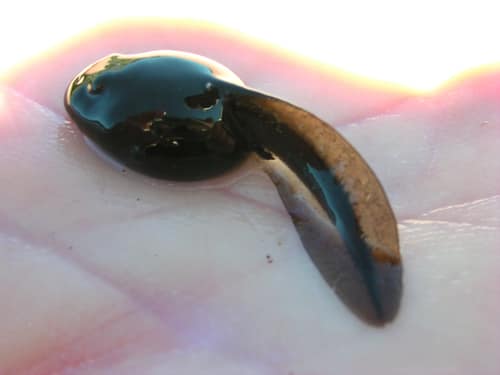
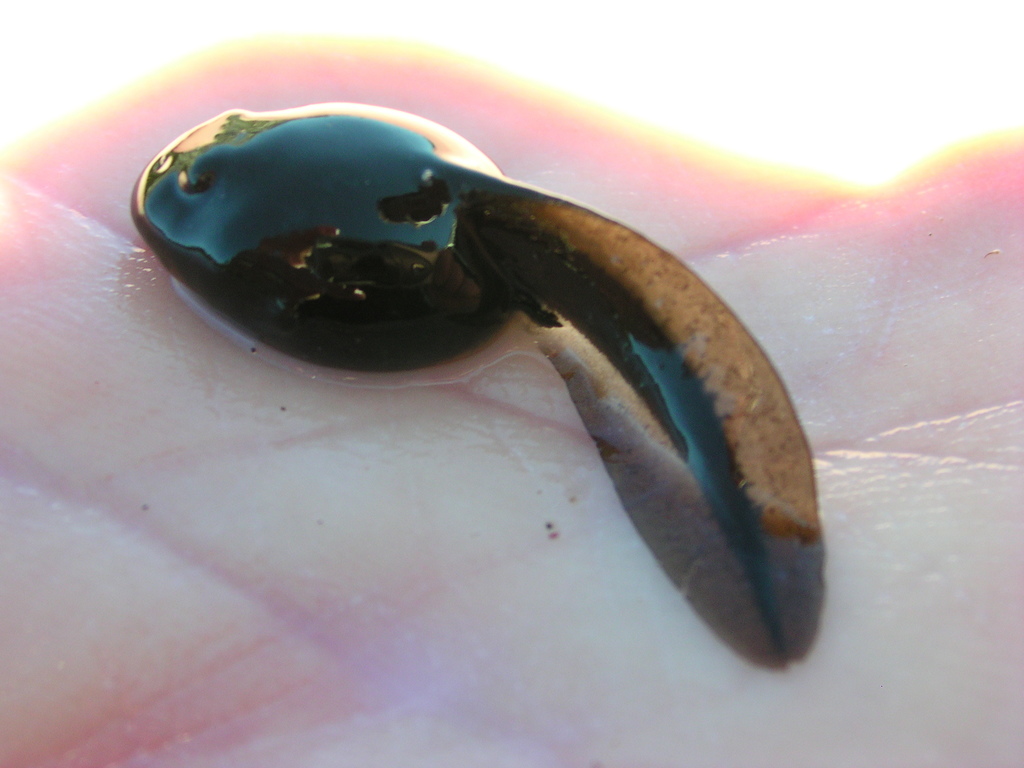
—observations
—countries
—peak records
Least ConcernConservation statusIUCN Red List categoriesLCNTVUENCREWEXLeast ConcernRed List categories, explained →
Diet & preyBeetles, Ants, Slugs
Predators
- Garter snakes
- Ravens
- Coyotes
ThreatsChytrid fungus, habitat loss, drought, and road mortality
HabitatsWetlands, forests, grasslands, montane meadows, and streamsides
Life span9–11 years
Classification
- OrderAnura
- FamilyBufonidae
- GenusAnaxyrus
- SpeciesAnaxyrus boreas
Range data is not available yet.
Interaction riskHigh
- Low
- Moderate
- High
- Very high
- Why interaction risk is high
- Secretes bufotoxins from shoulder glands; keep pets away and wash hands after handling.
- Why it is dangerous
- Secretes bufotoxins from parotoid glands that irritate mucous membranes and cause severe nausea or cardiac irritation in domestic pets if mouthed.
- How to recognize a risky encounter
- Look for a distinct light stripe down the spine and large oval parotoid glands right behind the eyes.
- What to do
- Observe from a respectful distance and keep dogs leashed when walking near damp marshlands or forest paths.
- What to notice
- Identified by bumpy skin, dark body mottling, and a light cream dorsal stripe.
- Support conservation
- Clean boots and field gear before entering pristine wetlands to avoid transferring waterborne fungal pathogens.
Responsible observation
- Night Spotting: Look around damp soil or woodland paths after rain showers using a soft flashlight.
- Handling Care: Avoid picking them up directly because skin secretions irritate eyes and skin can absorb hand lotions.
- Pet Safety: Keep dogs leashed near wetland breeding sites to prevent accidental ingestion of toxins.
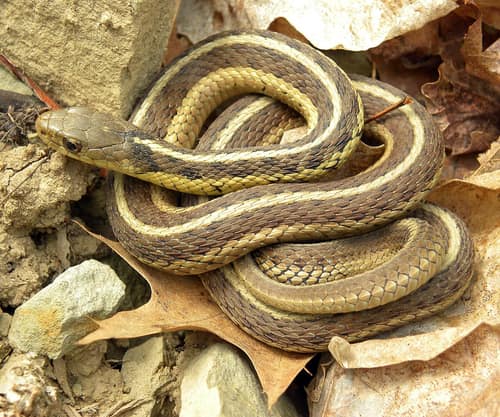
Predator Wilson44691 / Public domain · cc0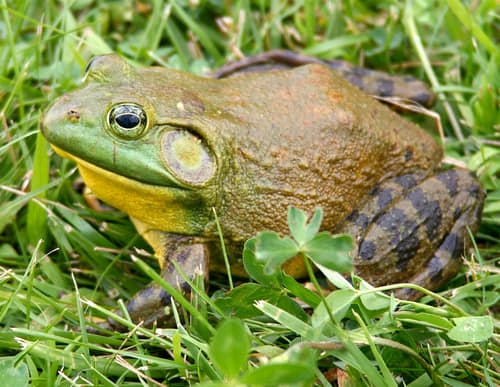
Competitor Carl D. Howe / CC BY-SA 2.5 · cc-by-sa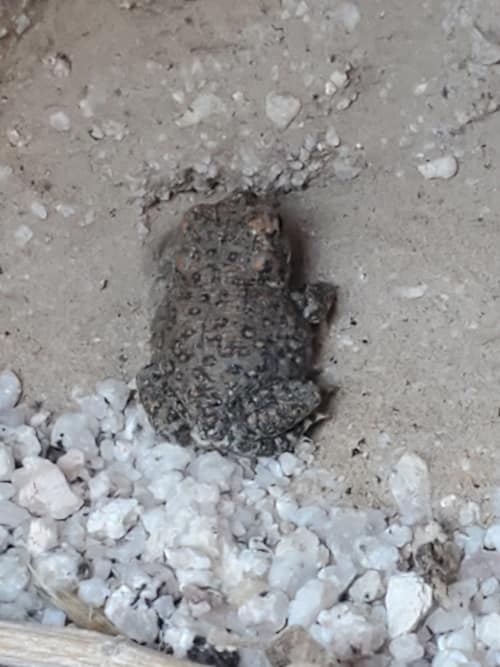
Close Relative (c) Bob Miller, some rights reserved (CC BY) · cc-by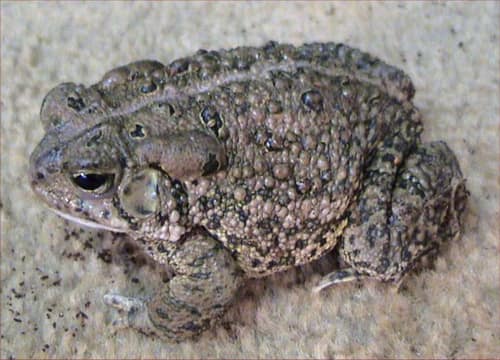
Close Relative Wikimedia Commons / CC BY-SA 2.5 · cc-by-sa
Help improve the field guideSomething wrong?
Checking your Fauna account…Report a name, category, or profile issue for review.