
Amphibian
Red-spotted Toad
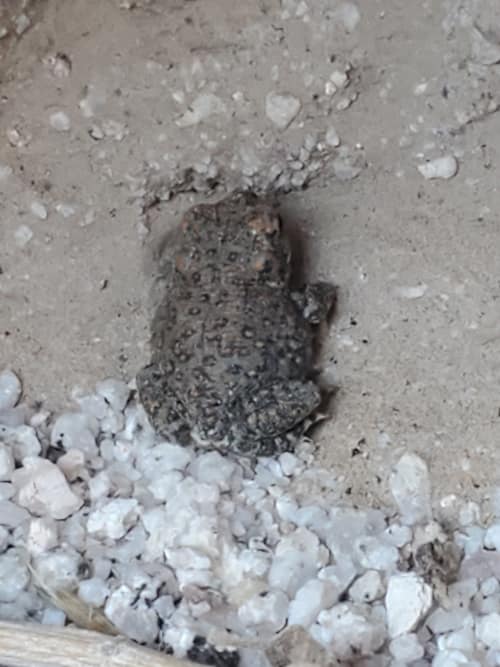
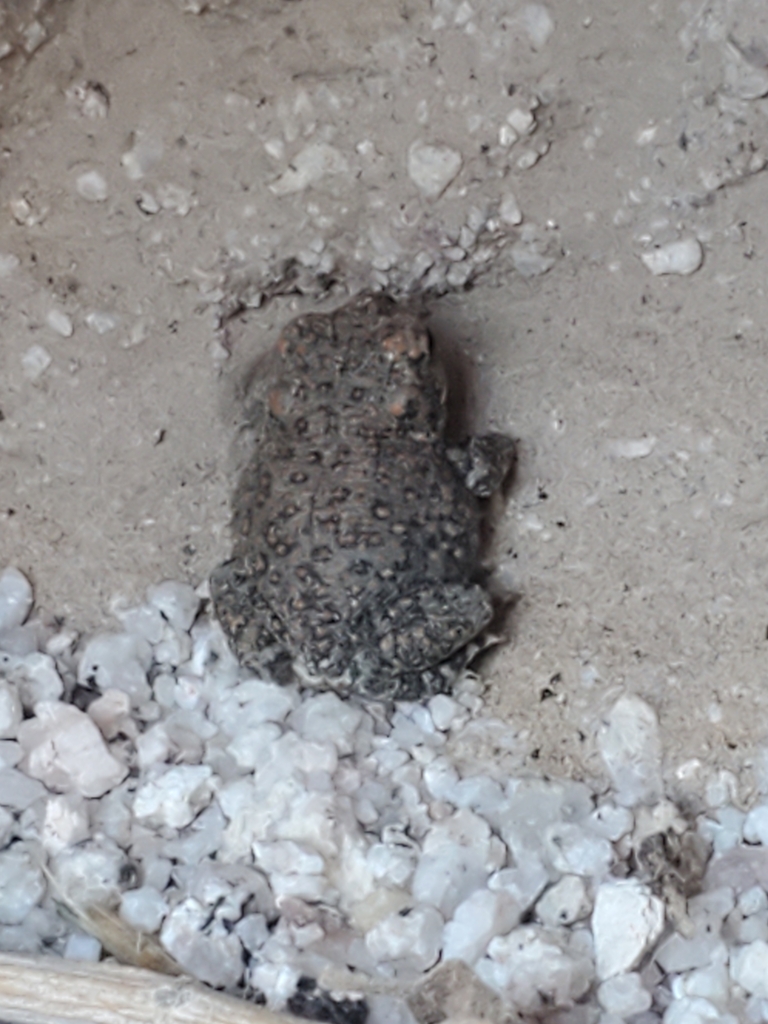
Anaxyrus punctatusRed-spotted toads thrive in harsh arid environments, often clinging to granite boulders near desert streams and canyon pools. Uniquely flattened bodies and distinctive round parotoid glands allow them to wedge into tight rocky crevices to escape daytime heat. After summer monsoon rainstorms, males gather at ephemeral pools and produce a high-pitched, musical trill that echoes through desert canyons.
AmphibianNocturnalDesert Dweller
—observations
—countries
—peak records
Least ConcernConservation statusIUCN Red List categoriesLCNTVUENCREWEXLeast ConcernRed List categories, explained →
Diet & preyAnts, Beetles, Termites
Predators
- Garter snakes
- Bullfrogs
- Raccoons
ThreatsWater depletion, habitat fragmentation, and climate change
HabitatsDesert canyons, rocky streams, springs, and oases
Life span5–10 years
Classification
- FamilyBufonidae
- SpeciesAnaxyrus punctatus
Range data is not available yet.
Interaction riskHigh
- Low
- Moderate
- High
- Very high
- Why interaction risk is high
- Skin secretions can irritate eyes and mouth; wash hands after touching and keep away from pets.
- Why it is dangerous
- Parotoid glands secrete mild bufotoxins that cause mouth numbness, salivation, or vomiting if ingested or rubbed into eyes.
- How to recognize a risky encounter
- Small grayish-brown toad covered in reddish warts, featuring round parotoid glands behind flattened, triangular eyes.
- What to do
- Observe without touching; if handled, wash hands immediately with soap and keep pets from licking the toad.
Responsible observation
- Night outings: Search near rocky canyon bottoms and desert pools on humid summer nights after rain.
- Listen for calls: Identify breeding aggregations by their long, high-pitched musical trills.
- Gentle observation: Keep pets on leashes around desert waterways to prevent accidental toxin ingestion.
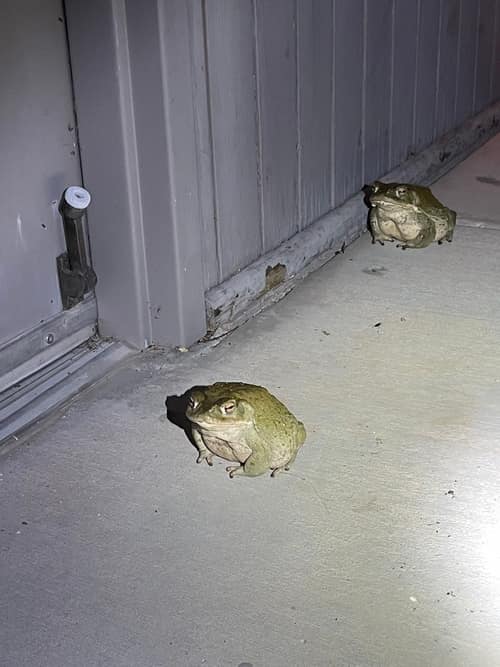
Desert Neighbor (c) Melanie J. Davis, some rights reserved (CC BY) · cc-by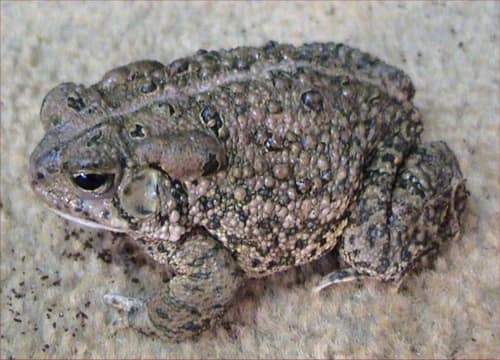
Close Relative Wikimedia Commons / CC BY-SA 2.5 · cc-by-sa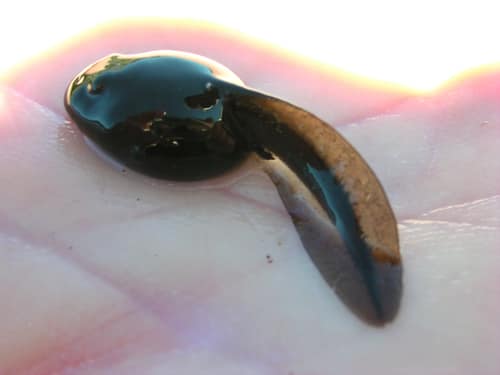
Close Relative (c) J Brew, some rights reserved (CC BY-SA), uploaded by J Brew · cc-by-sa
Help improve the field guideSomething wrong?
Checking your Fauna account…Report a name, category, or profile issue for review.