
Amphibian · GBIF taxon 2422897
Arroyo Toad
Anaxyrus californicusAlso known as Arroyo Southwestern Toad, Southwestern Arroyo Toad
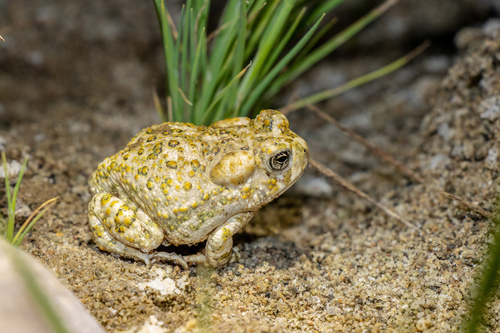
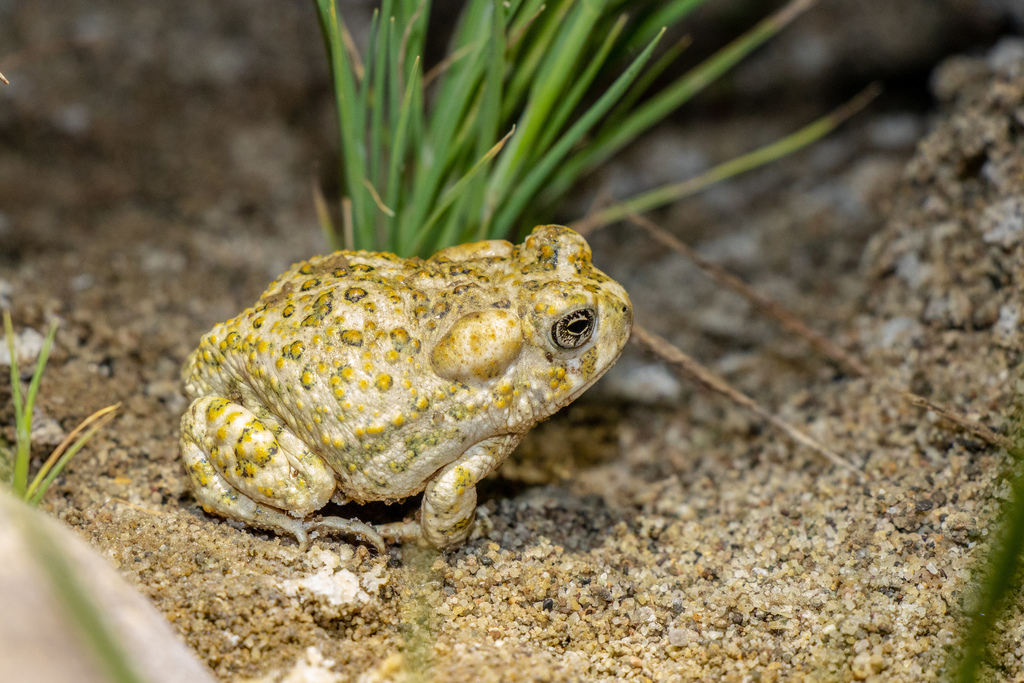
Arroyo toads spend most of their lives underground in sandy upland soils, emerging on warm spring nights to breed in shallow, slow-moving gravel streams. Males announce their presence with a distinct, musical trill that carries across river corridors. Severe alterations to natural flooding regimes and river channels have reduced their specialized breeding habitats across Southern California and Baja California.
NocturnalAmphibian
 1 / 3
1 / 3—observations
—countries
—peak records
EndangeredConservation statusIUCN Red List categoriesLCNTVUENCREWEXEndangeredRed List categories, explained →
Diet & prey
- Ants
- Beetles
- Spiders
Predators
- American Bullfrog
- Garter Snakes
- Raccoons
ThreatsDam construction, stream channelization, invasive bullfrogs, drought, and off-road vehicle activity
HabitatsSandy riverbanks, gravelly washes, coastal drainages, and adjacent arid uplands
Life span5–8 years
Classification
- FamilyBufonidae
- SpeciesAnaxyrus californicus
Range data is not available yet.
Interaction riskHigh
- Low
- Moderate
- High
- Very high
- Why interaction risk is high
- Parotoid secretions can irritate eyes or mouth if mouthed; keep pets away and do not handle.
- Why it is dangerous
- Parotoid glands behind the eyes produce mild bufotoxins that cause nausea, drooling, and mouth pain in pets if mouthed or ingested.
- How to recognize a risky encounter
- Look for a pale green, grey, or tan body with a light-colored V-shaped stripe across the head between the eyes.
- What to do
- Observe from a distance without touching, and keep dogs on a short leash near sandy riverbanks.
- What to notice
- Small toad under eight centimeters with dry warty skin, pale body tones, and a faint light patch across the eyelids and snout.
- Support conservation
- Maintain a respectful distance along stream margins and never disturb sand bars or shallow creek pools from spring through early summer.
Responsible observation
- Listen for Calls: Males produce a high-pitched, resonant trill during spring breeding nights along sandy washes.
- Stay on Trails: Avoid stepping into dry, sandy riverbeds where adults burrow beneath the surface during daylight.
- Leash Dogs: Prevent curious pets from picking up or mouthing toads near riparian zones.
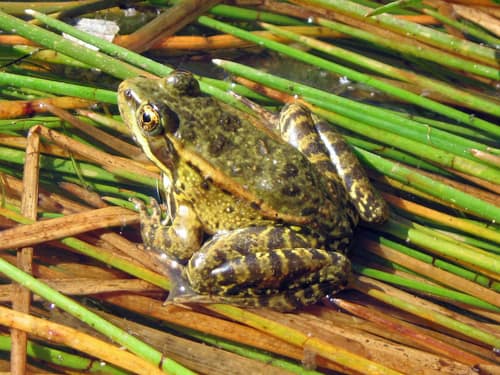
Frequent Companion (c) Greg Schechter, some rights reserved (CC BY) · cc-by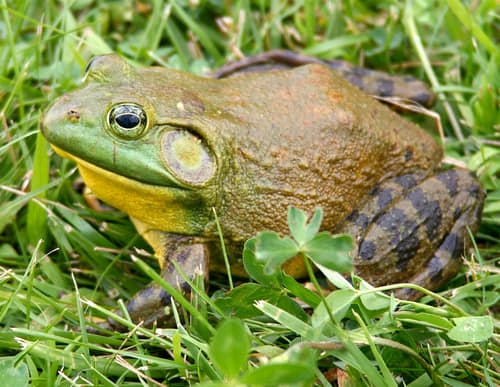
Predator Carl D. Howe / CC BY-SA 2.5 · cc-by-sa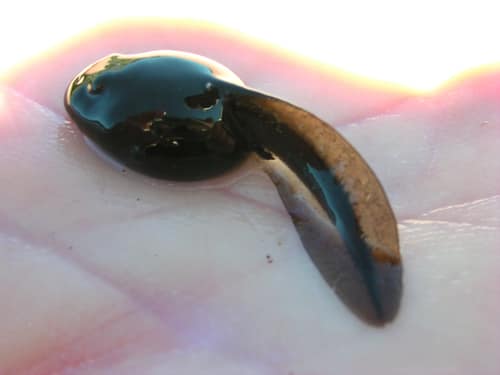
Close Relative (c) J Brew, some rights reserved (CC BY-SA), uploaded by J Brew · cc-by-sa
Help improve the field guideSomething wrong?
Checking your Fauna account…Report a name, category, or profile issue for review.