
Amphibian
Woodhouse's Toad
Anaxyrus woodhousiiAlso known as Rocky Mountain Toad, Woodhouse Toad
Woodhouse's toads inhabit arid grasslands, sandy floodplains, and suburban gardens across central and western North America. They spend hot dry days buried underground in loose soil, emerging at dusk to hunt insects beneath porch lights and near damp lawn edges. During spring breeding seasons, males gather at shallow pools to produce a distinctive loud bleating call reminiscent of a sheep.
NocturnalAmphibianBurrower
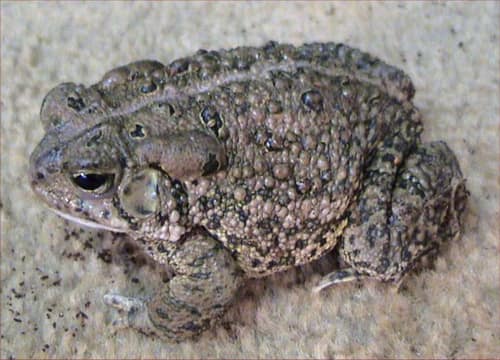

—observations
—countries
—peak records
Least ConcernConservation statusIUCN Red List categoriesLCNTVUENCREWEXLeast ConcernRed List categories, explained →
Diet & preyBeetles, Ants, Moths
Predators
- Garter snakes
- Raccoons
- Herons
ThreatsPesticides, road mortality, habitat loss, invasive predators
HabitatsGrasslands, river floodplains, agricultural fields, suburban yards
Life span10–13 years
Classification
- OrderAnura
- FamilyBufonidae
- GenusAnaxyrus
- SpeciesAnaxyrus woodhousii
Range data is not available yet.
Interaction riskHigh
- Low
- Moderate
- High
- Very high
- Why interaction risk is high
- Secretes mild skin toxins that irritate eyes and harm pets; handle carefully with moist hands.
- Why it is dangerous
- Parotoid glands behind the eyes secrete bufotoxins that irritate mucosal membranes and cause excessive drooling or vomiting in pets that bite them.
- How to recognize a risky encounter
- Recognize by prominent elongated parotoid glands touching or connected to cranial crests along a pale dorsal stripe.
- What to do
- Observe without touching, keep domestic pets at a distance, and wash hands thoroughly if contact occurs.
Responsible observation
- Night Observation: Scan around outdoor light fixtures where insects gather after dusk.
- Pet Safety: Keep curious dogs away to prevent mouth irritation from defensive secretions.
- Safe Handling: Use wet clean hands to protect delicate amphibian skin and avoid rubbing eyes afterward.

Competitor (c) Dustin Snider, some rights reserved (CC BY), uploaded by Dustin Snider · cc-by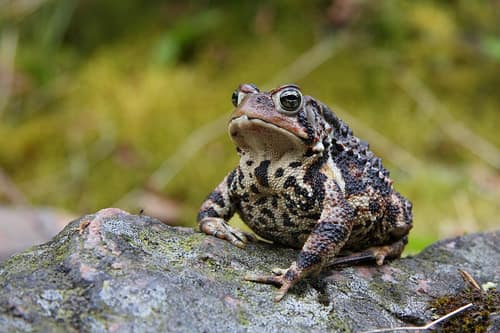
Close Relative Cephas / CC BY-SA 3.0 · cc-by-sa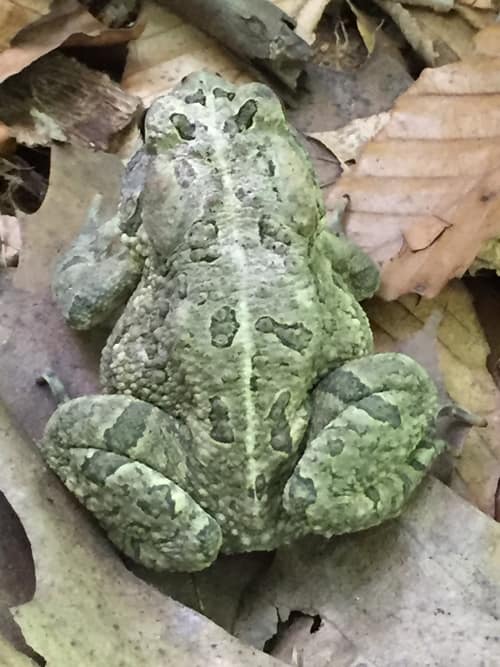
Close Relative no rights reserved · cc0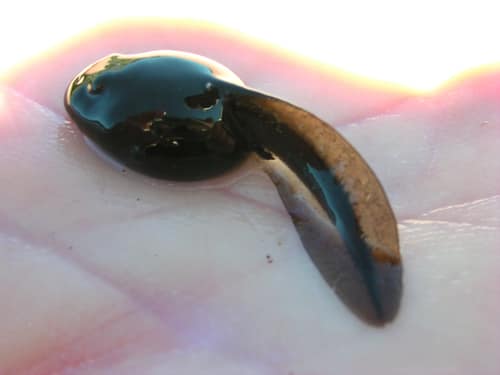
Close Relative (c) J Brew, some rights reserved (CC BY-SA), uploaded by J Brew · cc-by-sa
Help improve the field guideSomething wrong?
Checking your Fauna account…Report a name, category, or profile issue for review.