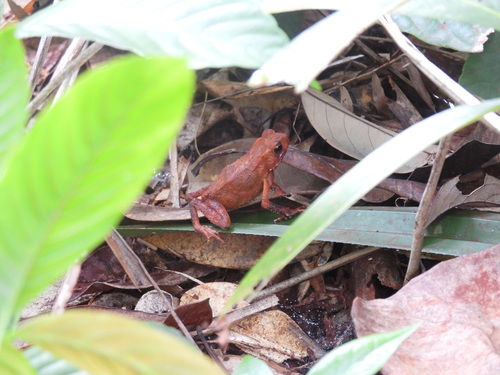
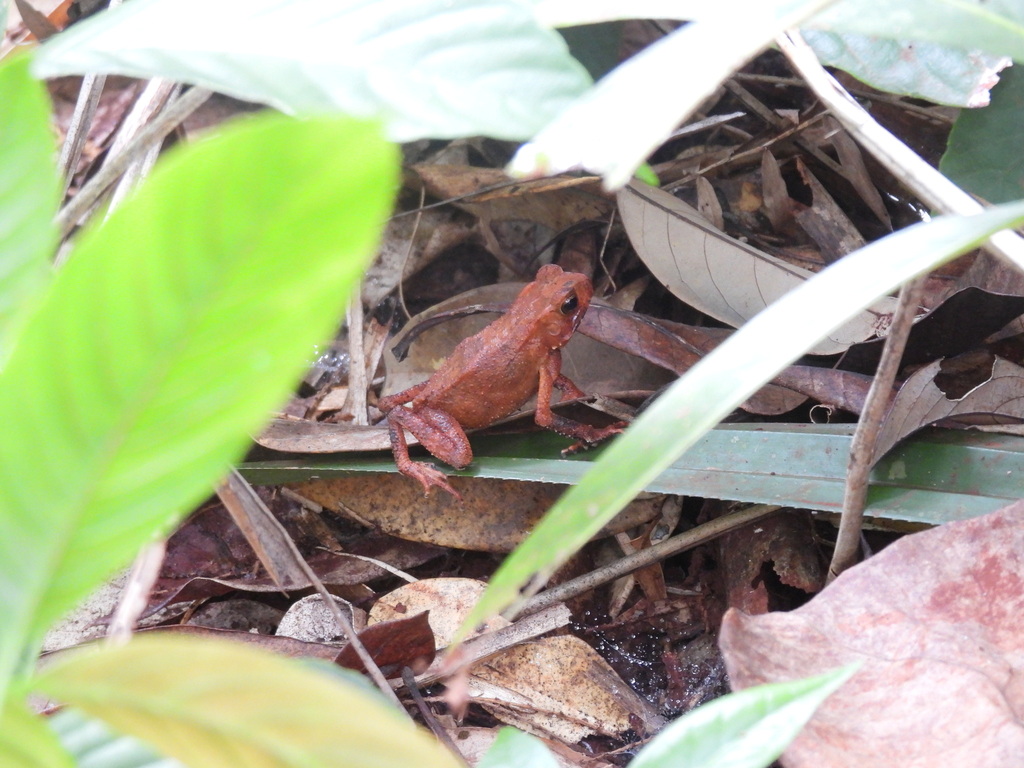
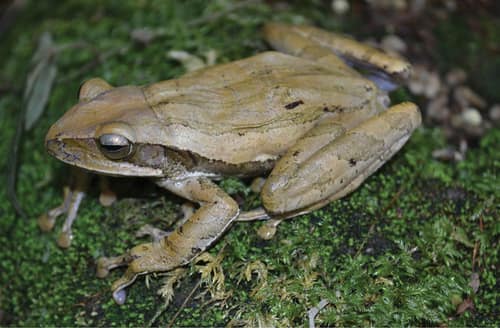
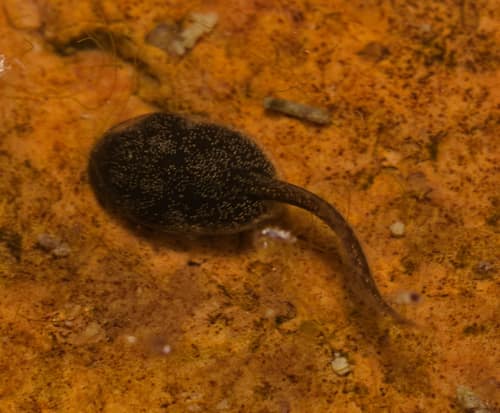
Sulawesian toads are adaptable, warty amphibians endemic to the Indonesian island of Sulawesi, where they thrive from deep rainforest floors to bustling town gardens. Active mainly after dusk, they emerge from damp shelters under logs and rocks to hunt ants, beetles, and other ground-dwelling invertebrates. During the rainy season, males gather around ponds, rice paddies, and slow-moving stream pools to call for mates and lay strings of dark eggs.
ThreatsLocalized habitat loss, road mortality, and agricultural pesticides
HabitatsPrimary and secondary rainforest, plantations, paddy fields, cultivated land, and towns on Sulawesi
Life span5–10 years in the wild
Classification
FamilyBufonidae
SpeciesIngerophrynus celebensis
Range & activity
Range data is not available yet.
Safe observation
Interaction riskHigh
Low
Moderate
High
Very high
Why interaction risk is high
Parotoid glands secrete toxins harmful to pets if mouthed or eaten; wash hands after contact.
Why it is dangerous
Large parotoid glands behind the eyes secrete bufotoxins, steroid-like compounds that cause drooling, vomiting, oral irritation, and dangerous heart rhythm disturbances if ingested by pets or humans.
How to recognize a risky encounter
Recognize this species by its dry, warty brown to olive skin, prominent bony ridges on the head, and swollen oval parotoid glands behind each eye.
What to do
Do not handle with bare hands and keep pets away; if a pet mouths a toad, rinse its mouth with water immediately and contact a veterinarian.
Responsible observation
Evening Searches: Look near porch lights, garden paths, and pond margins after rain when toads emerge to hunt.
Keep Pets Clear: Supervise dogs and cats outdoors at night so they do not mouth or bite toads.
Hands-Off Viewing: Observe without picking up the toad to avoid stressing it or transferring skin oils and toxins.