
Fish · GBIF taxon 2420766
Sand Tiger Shark
Carcharias taurusAlso known as Grey Nurse Shark, Spotted Ragged-Tooth Shark, Blue-Nurse Sand Tiger
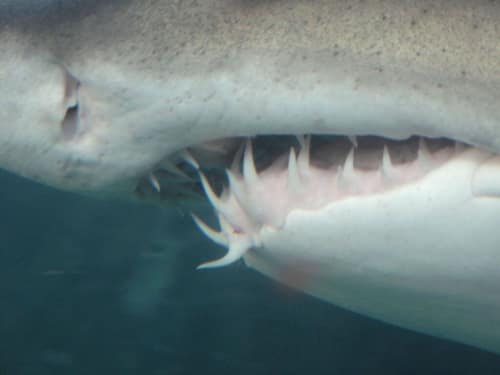
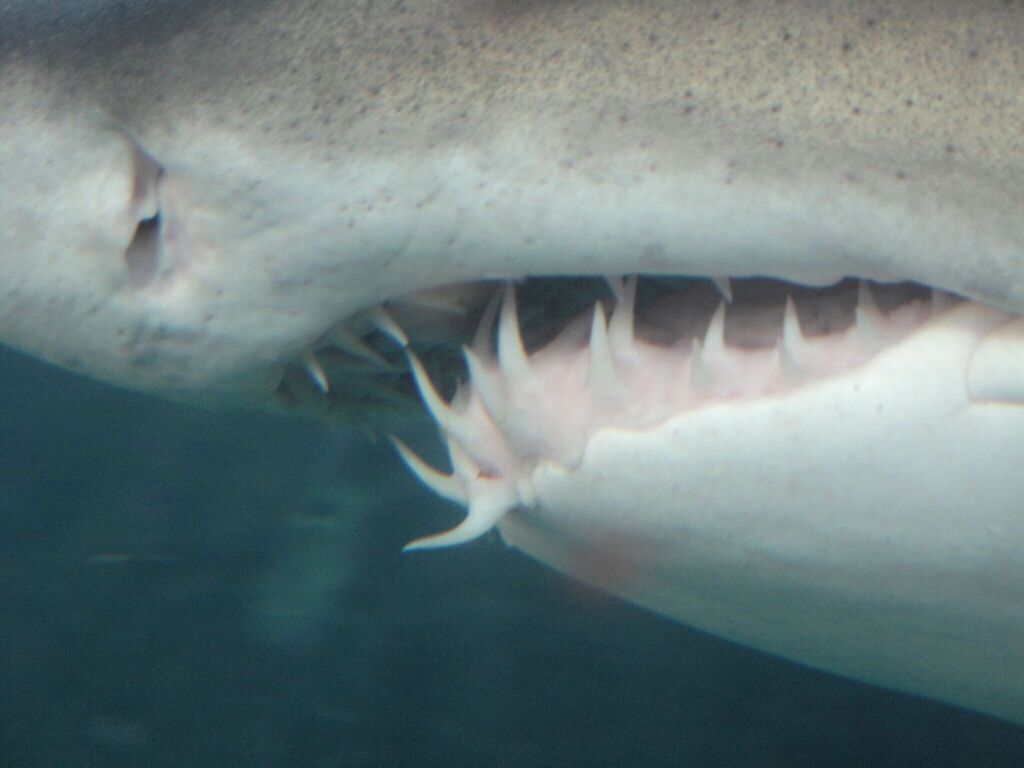
Sand tiger sharks possess a striking appearance with rows of needle-sharp teeth protruding from prominent jaws, giving them a fierce look despite their docile nature around divers. Unique among sharks, they gulp air at the surface and store it in their stomach to achieve neutral buoyancy while silently patrolling reefs and shipwrecks. Embryos participate in intrauterine cannibalism, where the largest embryo consumes its siblings inside the womb before birth.
PredatorMarine
—observations
—countries
—peak records
Critically EndangeredConservation statusIUCN Red List categoriesLCNTVUENCREWEXCritically EndangeredRed List categories, explained →
Diet & prey
- Bony Fish
- Squid
- Rays
Predators
- Great White Shark
- Tiger Shark
ThreatsBycatch, commercial fishing, low reproductive rate, coastal habitat degradation
HabitatsSubtropical and temperate coastal waters, submerged reefs, continental shelves
Life span15–40 years
Classification
- OrderLamniformes
- FamilyOdontaspididae
- GenusCarcharias
- SpeciesCarcharias taurus
Range data is not available yet.
Interaction riskHigh
- Low
- Moderate
- High
- Very high
- Why interaction risk is high
- Generally docile toward divers, but capable of a defensive bite if cornered or provoked; keep a safe distance.
- Why it is dangerous
- Possesses large, needle-sharp teeth and powerful jaws capable of inflicting severe lacerations if cornered or harassed.
- How to recognize a risky encounter
- Identified by a stout brownish-grey body, dark reddish spots, a flattened snout, and visible protruding teeth.
- What to do
- Maintain a respectful distance while diving, avoid blocking escape routes, and never attempt to feed or grab them.
- What to notice
- Look for dark spots along the posterior body, equal-sized dorsal fins, and prominent needle-like teeth.
- Support conservation
- Keep diving group sizes small around sensitive aggregation reefs and support local marine protected area regulations.
Responsible observation
- Observe quietly: Move calmly and predictably in the water to avoid startling or crowding them.
- Maintain distance: Give these large predators plenty of space, especially near reefs or shipwreck sites.
- Avoid feeding: Never offer bait or attempt to handle wild sharks, which disrupts natural behaviors.
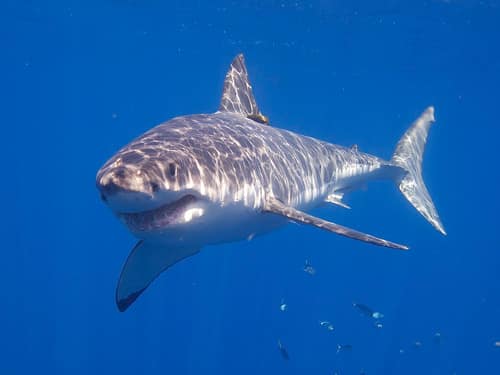
Fellow Lamniform "Great White Shark" by Elias Levy is licensed under CC BY 2.0. To view a copy of this license, visit https://creativecommons.org/licenses/by/2.0/. · cc-by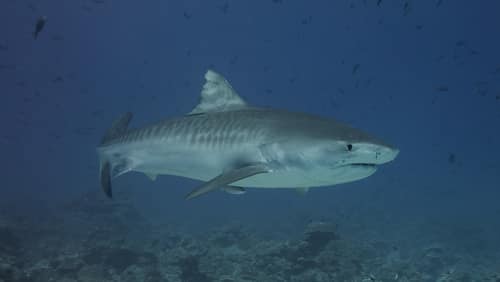
Unrelated Namesake (c) Kris-Mikael Krister, some rights reserved (CC BY) · cc-by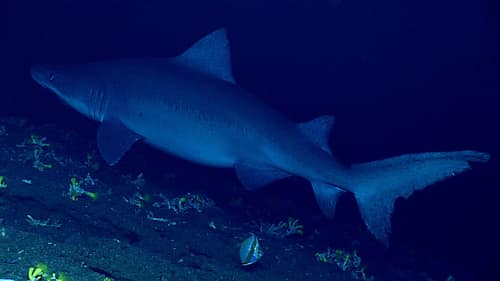
Close Relative (c) NOAA Photo Library, some rights reserved (CC BY) · cc-by
Keep collecting in Fauna
Found in Collections
Species set Pro
Ocean Creatures
Sand Tiger Shark is found in this collection. Identify it in Fauna to fill this slot and continue your progress.
Unlock to track progress
Help improve the field guideSomething wrong?
Checking your Fauna account…Report a name, category, or profile issue for review.