
Fish · GBIF taxon 2418009
Sandbar Shark
Carcharhinus plumbeusAlso known as Brown Shark, Thickskin Shark
Sandbar sharks are stout requiem sharks recognized by their exceptionally tall, triangular first dorsal fin set far forward over the pectoral fins. They spend their days patrolling shallow coastal bays, sandbanks, and continental shelves, hunting benthic prey near muddy or sandy sea floors. Females undertake long seasonal migrations to warm, shallow estuaries where they give birth to live pups after an extensive gestation period lasting up to a full year.
MarinePredatorCoastal
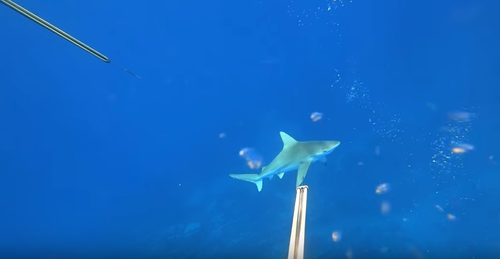
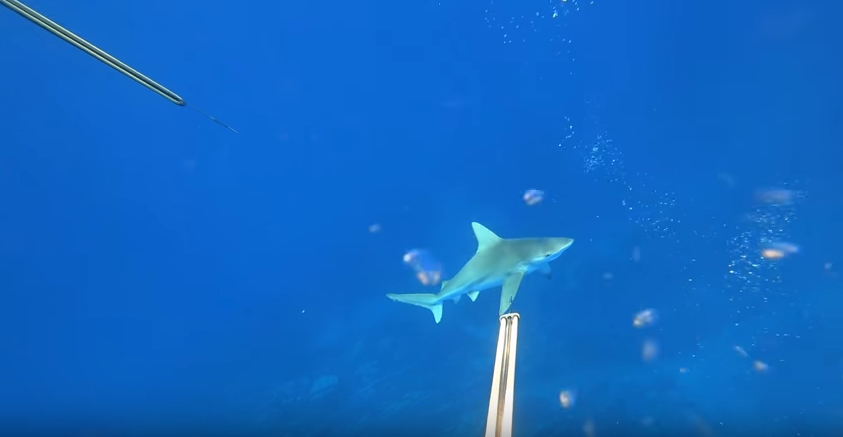
Licensed reference(c) biodiversitygr, some rights reserved (CC BY) · cc-by
—observations
—countries
—peak records
EndangeredConservation statusIUCN Red List categoriesLCNTVUENCREWEXEndangeredRed List categories, explained →
Diet & prey
- Atlantic Menhaden
- Blue Crab
- Summer Flounder
Predators
- Tiger Shark
- Bull Shark
- Great White Shark
ThreatsCommercial longline fishing, targeted finning, bycatch, and slow reproductive recovery
HabitatsCoastal bays, river mouths, harbors, sandy flats, and outer continental shelves
Life span30–40 years
Classification
- OrderCarcharhiniformes
- FamilyCarcharhinidae
- GenusCarcharhinus
- SpeciesCarcharhinus plumbeus
Range data is not available yet.
Interaction riskHigh
- Low
- Moderate
- High
- Very high
- Why interaction risk is high
- Capable of severe defensive bites if hooked or harassed; maintain respectful distance while diving.
- Why it is dangerous
- Possesses serrated triangular teeth and strong jaw musculature that can inflict severe lacerations and blood loss if handled or agitated.
- How to recognize a risky encounter
- Look for a prominent, towering triangular dorsal fin placed far forward on a heavy-set, brownish-grey body with no distinctive body markings.
- What to do
- Never corner, touch, or attempt to grab the shark, and cut fishing lines close to the hook using proper unhooking tools to release safely.
- What to notice
- Identified in coastal nurseries by its distinctively high dorsal fin and pale, unmarked fins on young pups.
- Support conservation
- Adhere strictly to recreational catch-and-release rules and avoid disturbing shallow estuarine pupping bays during late spring.
Responsible observation
- Diving Etiquette: Give them plenty of swimming room and never block their exit path along reef margins or channels.
- Spearfishing Caution: Remove speared fish from the water immediately, as blood and distress signals can provoke feeding responses.
 Image unavailable
Same Genus 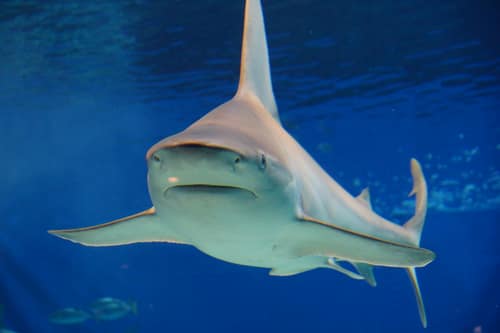
Same Genus "オオメジロザメ Bull shark" by ume-y is licensed under CC BY 2.0. To view a copy of this license, visit https://creativecommons.org/licenses/by/2.0/. · cc-by
Same Genus (c) Chris Kirby-Lambert, some rights reserved (CC BY) · cc-by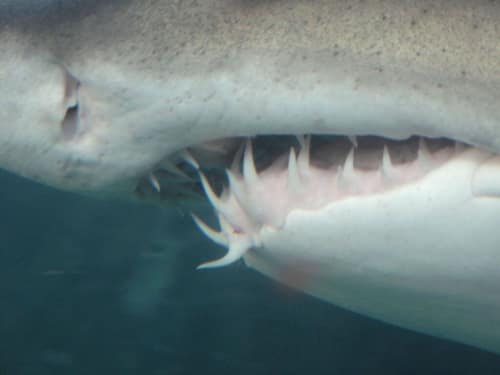
Neighbor (c) Ventus55, some rights reserved (CC BY-SA) · cc-by-sa
Keep collecting in Fauna
Found in Collections
Species set Pro
Ocean Creatures
Sandbar Shark is found in this collection. Identify it in Fauna to fill this slot and continue your progress.
Unlock to track progress
Help improve the field guideSomething wrong?
Checking your Fauna account…Report a name, category, or profile issue for review.