
Fish
Spinner Shark
Carcharhinus brevipinnaAlso known as Large Blacktip Shark, Inkfin Shark, Long-nosed Grey Shark
Spinner sharks are agile pelagic hunters famous for rocketing vertically through schools of prey, spinning up to three times on their axis before breaching meters above the sea surface. They primarily hunt schooling teleost fish, slicing through bait balls with open jaws before completing their spectacular aerial displays. Females give birth to live pups in protected shallow coastal bays and estuaries, where the young remain during their vulnerable early years.
MarinePredatorAgile Swimmer
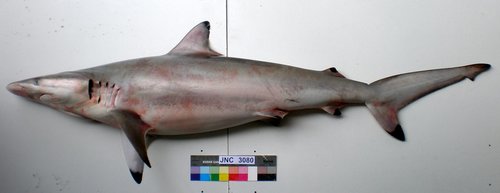
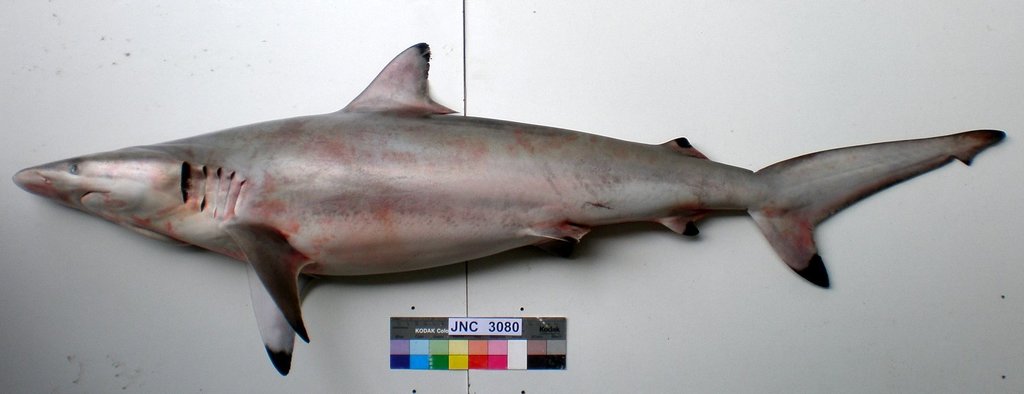
—observations
—countries
—peak records
VulnerableConservation statusIUCN Red List categoriesLCNTVUENCREWEXVulnerableRed List categories, explained →
Diet & preyAtlantic Menhaden, Sardines, Squid
Predators
- Tiger Shark
- Bull Shark
- Great White Shark
ThreatsCommercial longline and gillnet fisheries, shark fin trade, and accidental bycatch
HabitatsWarm-temperate and tropical coastal waters, continental shelves, and shallow bays
Life span15–20 years
Classification
- OrderCarcharhiniformes
- FamilyCarcharhinidae
- GenusCarcharhinus
- SpeciesCarcharhinus brevipinna
Range data is not available yet.
Interaction riskHigh
- Low
- Moderate
- High
- Very high
- Why interaction risk is high
- Large, active shark capable of severe defensive bites; maintain distance and avoid swimming near feeding frenzies.
- Why it is dangerous
- Possesses serrated teeth and immense jaw pressure capable of severing tissue and bone during mistaken feeding strikes.
- How to recognize a risky encounter
- Look for a slender torpedo shape, pointed snout, and black tips on nearly all fins including the anal fin.
- What to do
- Never corner, spear, or touch in the water, and exit quietly if feeding activity intensifies nearby.
- What to notice
- Distinguished from common blacktip sharks by its slender body and first dorsal fin set farther back.
- Support conservation
- Give nursery estuaries wide berth during pupping season and report incidental catches to research programs.
Responsible observation
- Observation distance: Keep several meters of open water between yourself and swimming individuals.
- Bait ball avoidance: Exit the water immediately if fish begin leaping or balling tightly at the surface.
- Angler etiquette: Use heavy gear and non-stainless circle hooks to allow swift, unharmed release.
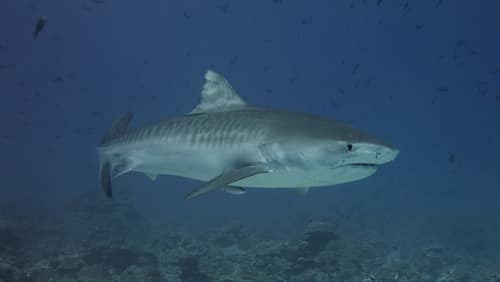
Predator (c) Kris-Mikael Krister, some rights reserved (CC BY) · cc-by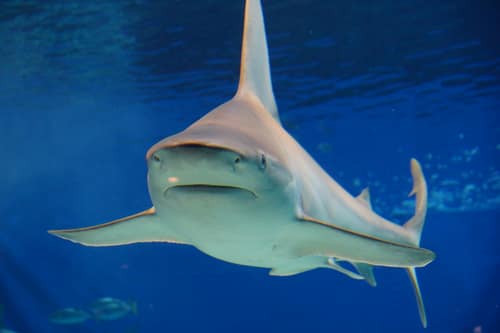
Same Genus "オオメジロザメ Bull shark" by ume-y is licensed under CC BY 2.0. To view a copy of this license, visit https://creativecommons.org/licenses/by/2.0/. · cc-by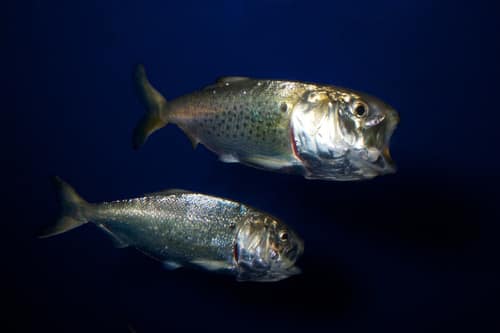
Prey (c) Brian Gratwicke, some rights reserved (CC BY) · cc-by
Close Relative (c) Chris Kirby-Lambert, some rights reserved (CC BY) · cc-by
Keep collecting in Fauna
Found in Collections
Species set Pro
Ocean Creatures
Spinner Shark is found in this collection. Identify it in Fauna to fill this slot and continue your progress.
Unlock to track progress
Help improve the field guideSomething wrong?
Checking your Fauna account…Report a name, category, or profile issue for review.