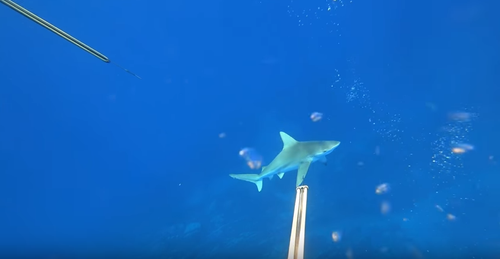
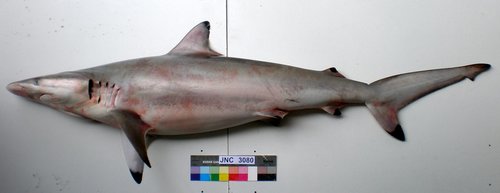
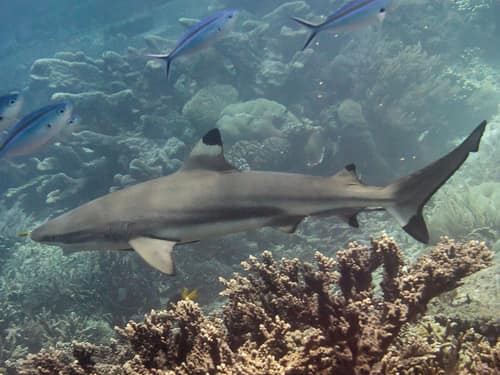
Also known as Blacktip Shark, Blackfin Shark, Spotfin Ground Shark
Blacktip sharks are energetic coastal predators celebrated for their spectacular leaping behavior, often spinning up to three times in midair while chasing baitfish schools toward the surface. Highly social throughout their lives, adults form massive seasonal migratory aggregations off coastlines and winter in warm equatorial shallows. Females give birth to live pups in protected estuaries and barrier-island bays, where shallow water shields the young from larger offshore predators.
ThreatsCommercial longline and gillnet fishing, shark fin trade, and coastal nursery habitat loss
HabitatsTropical and subtropical coastal waters, bays, estuaries, and coral reefs
Life span12–15 years
Classification
FamilyCarcharhinidae
SpeciesCarcharhinus limbatus
Range & activity
Range data is not available yet.
Safe observation
Interaction riskHigh
Low
Moderate
High
Very high
Why interaction risk is high
Can deliver defensive or mistaken bites in shallow surf; avoid swimming near schooling baitfish.
Why it is dangerous
Sharp serrated teeth deliver fast slashing bites that cause severe lacerations, often triggered by feeding stimuli or mistaken identity in turbid surf.
How to recognize a risky encounter
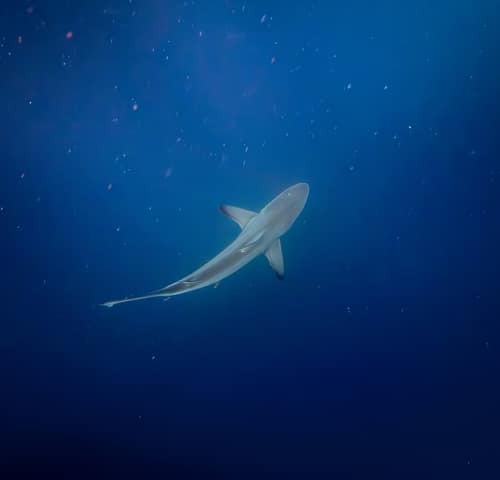
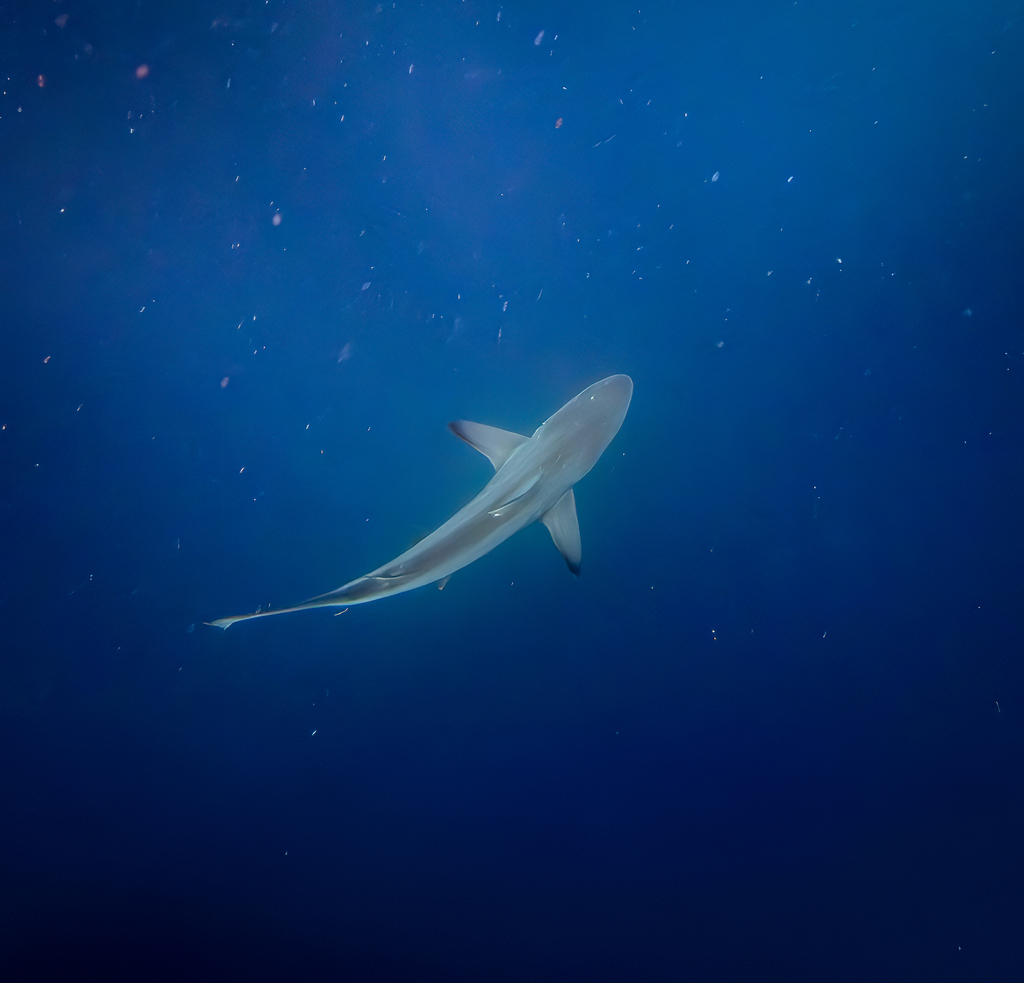
Look for a streamlined grey body with black tips on dorsal, pectoral, and tail fins, paired with a plain white anal fin.
What to do
Give sharks plenty of space, avoid splashing or sudden flailing, and never corner or attempt to touch free-swimming individuals.
What to notice
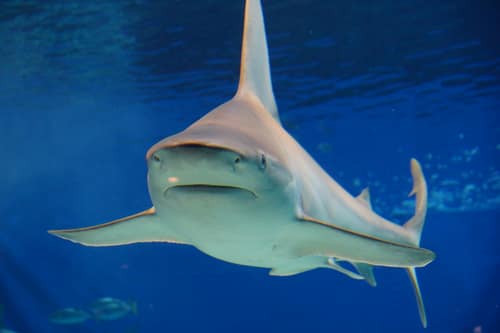
Recognized by its pointed snout, slender build, prominent dark fin markings, and acrobatic breaches above the surface.
Support conservation
Support sustainable fishing regulations, use non-stainless circle hooks if catch-and-release fishing, and keep handling time in water minimal.
Responsible observation
Baitfish Awareness: Exit the water immediately if seabirds are diving or large schools of baitfish churn around you.
Water Clarity: Avoid swimming in murky surf at dawn or dusk when exploratory bites are most common.
Diving Etiquette: Maintain calm body posture and keep visual contact if approached while snorkeling or diving.