
Species · GBIF taxon 2417919
Lemon Shark
Negaprion brevirostrisAlso known as Yellow Shark
Lemon sharks are easily recognized by their pale, yellowish-brown skin, which provides excellent camouflage against the sandy seafloors of their shallow coastal habitats. These social predators often gather in loose groups near mangroves and coral reefs, displaying high site fidelity by returning to the same nurseries to give birth. Their specialized visual systems allow them to hunt effectively in murky waters, targeting bony fish and crustaceans.
CoastalSocialMarine


Licensed reference(c) Albert kok, some rights reserved (CC BY-SA) · cc-by-sa
—observations
—countries
—peak records
VulnerableConservation statusIUCN Red List categoriesLCNTVUENCREWEXVulnerableRed List categories, explained →
Diet & prey
- Bony fish
- Crabs
- Stingrays
Predators
- Larger sharks
- Humans
ThreatsOverfishing, habitat destruction of mangrove nurseries, and the shark fin trade.
HabitatsShallow subtropical and tropical coastal waters, mangroves, coral reefs, and estuaries.
Life span25 to 30 years
Size / weightNot available
Classification
- FamilyCarcharhinidae
- SpeciesNegaprion brevirostris
Range data is not available yet.
Interaction riskHigh
- Low
- Moderate
- High
- Very high
- Why interaction risk is high
- Generally docile but can bite if provoked or cornered; maintain a respectful distance while diving.
- Why it is dangerous
- Capable of inflicting severe bites if cornered, harassed, or stimulated by food.
- How to recognize a risky encounter
- Identifiable by two dorsal fins of nearly equal size and a distinct yellowish-brown coloration.
- What to do
- Never attempt to touch, corner, or spearfish near these sharks; back away slowly if they show signs of agitation.
- What to notice
- Look for their yellowish hue and equal-sized dorsal fins in shallow coastal lagoons.
- Support conservation
- Avoid disturbing known nursery areas and support sustainable fishing practices to protect local populations.
Responsible observation
- Observe from a Distance: Watch them glide over sandy flats without blocking their path.
- Avoid Feeding: Refrain from offering food, which alters their natural foraging behaviors.
- Protect Mangroves: Support conservation of coastal nurseries vital for their pups.
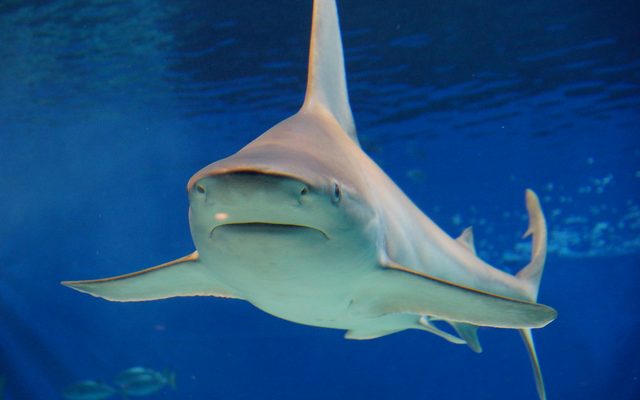
Co-occurring Competitor "オオメジロザメ Bull shark" by ume-y is licensed under CC BY 2.0. To view a copy of this license, visit https://creativecommons.org/licenses/by/2.0/. · cc-by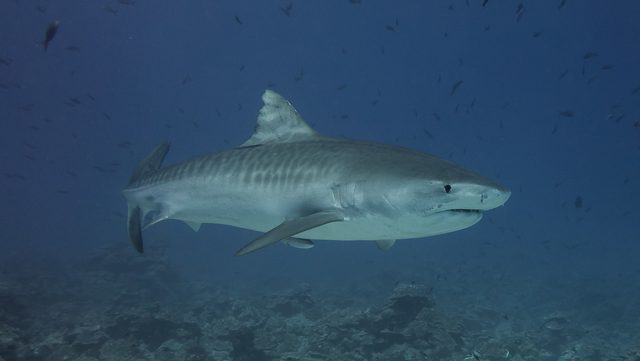
Predator (c) Kris-Mikael Krister, some rights reserved (CC BY) · cc-by
Prey Close Relative
Help improve the field guideSomething wrong?
Checking your Fauna account…Report a name, category, or profile issue for review.