
Fish
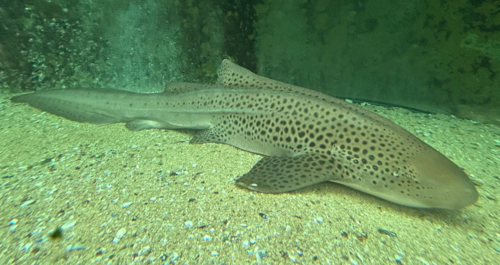
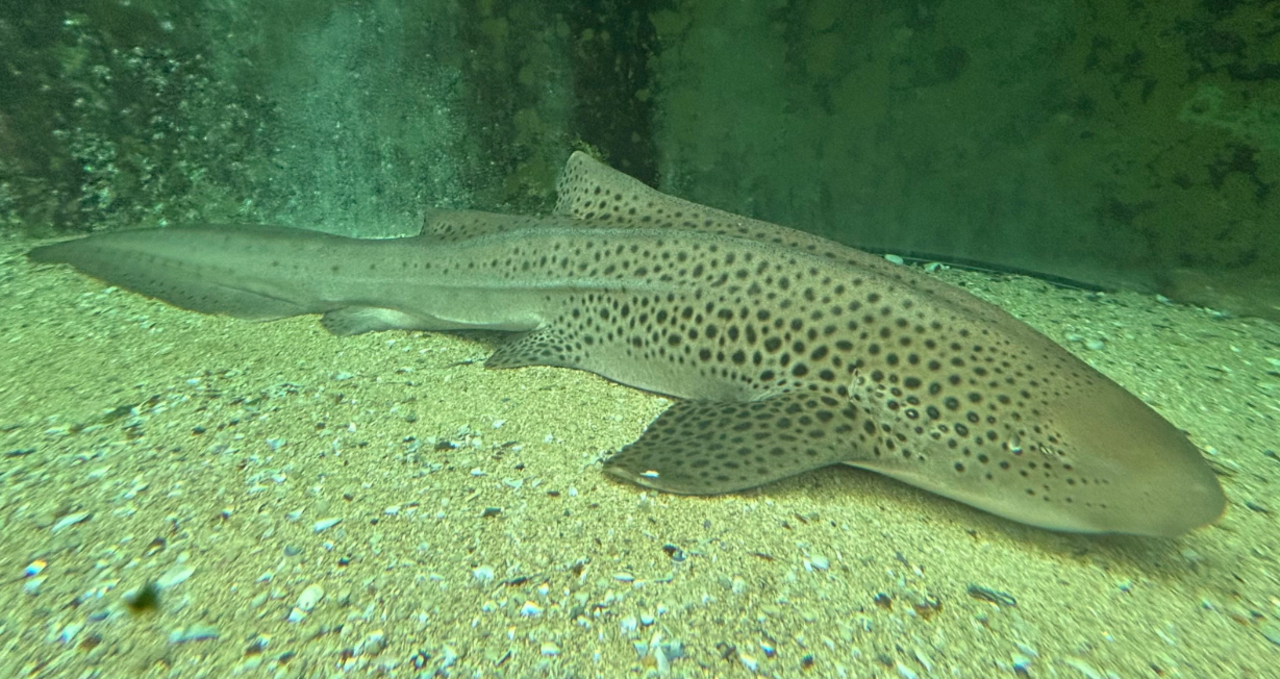
Zebra Shark
Stegostoma fasciatumAlso known as Indo-Pacific Leopard Shark, Leopard Shark
Zebra sharks spend daylight hours resting motionless on sandy seafloors near coral reefs, propping themselves up on their pectoral fins to face into currents that aerate their gills. At night they become active hunters, squirming into narrow reef crevices and suctioning mollusks and crustaceans out of hiding with flexible, muscular mouths. Females lay large dark brown egg cases covered in fine anchoring fibers that tangle securely in surrounding reef structure.
MarineNocturnalReef-Dwelling
—observations
—countries
—peak records
EndangeredConservation statusIUCN Red List categoriesLCNTVUENCREWEXEndangeredRed List categories, explained →
Diet & preyMarine gastropods, Crabs, Small reef fishes
Predators
- Tiger shark
- Great hammerhead shark
ThreatsTargeted fishing, accidental bycatch, and reef habitat loss
HabitatsCoral reefs, sandy flats, and rubble substrates
Life span25–35 years
Classification
- FamilyStegostomatidae
- SpeciesStegostoma fasciatum
Range data is not available yet.
Interaction riskLow
- Low
- Moderate
- High
- Very high
- Why interaction risk is low
- Safe to observe at a normal distance.
- What to notice
- Look for an extremely long ribbon-like tail, five prominent dorsal ridges, and dark spots across a pale body.
- Support conservation
- Keep at least three meters of distance while diving, avoid blocking their swim paths, and never corner individuals resting on sand beds.
Responsible observation
- Maintain Buoyancy: Hover gently above resting individuals so you do not stir sediment or disrupt their respiratory flow.
- Do Not Touch: Respect their resting space and avoid cornering them under ledges or grabbing their distinctive tails.
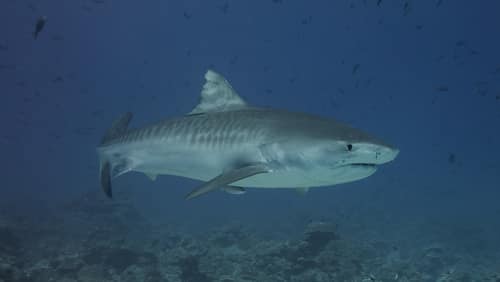
Predator (c) Kris-Mikael Krister, some rights reserved (CC BY) · cc-by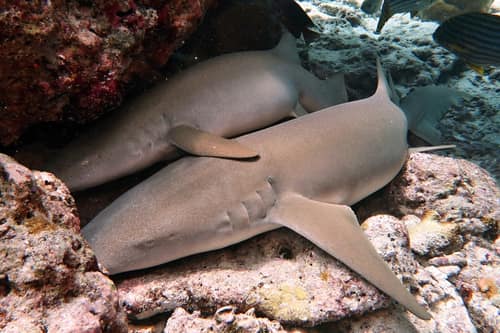
Order Relative (c) Daniel Benák, some rights reserved (CC BY), uploaded by Daniel Benák · cc-by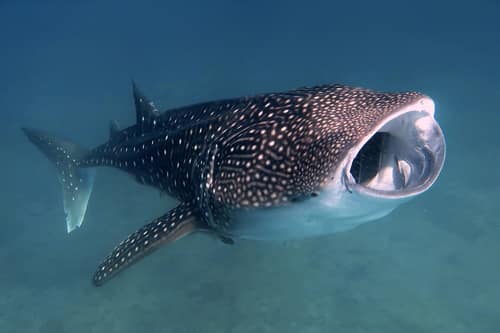
Order Relative (c) Daniel Benák, some rights reserved (CC BY), uploaded by Daniel Benák · cc-by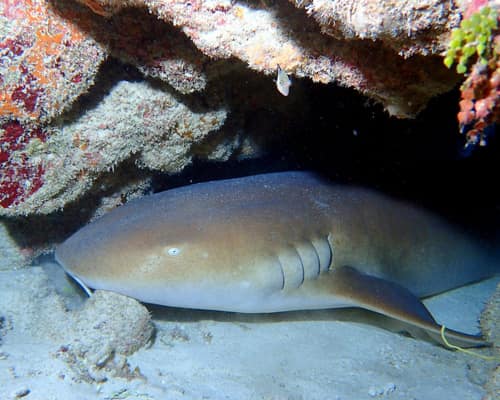
Order Relative Adam / CC BY 2.0 · CC BY 2.0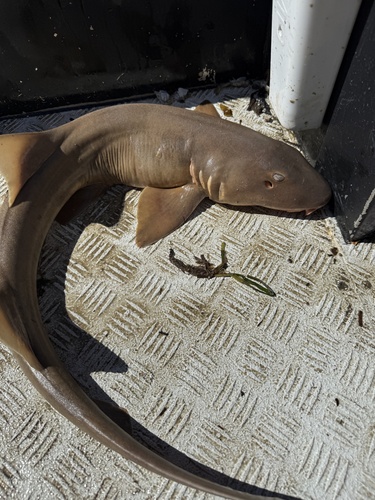
Order Relative (c) James H, some rights reserved (CC BY) · cc-by
Help improve the field guideSomething wrong?
Checking your Fauna account…Report a name, category, or profile issue for review.