
Fish
Shortnose Sturgeon
Acipenser brevirostrumAlso known as Shortnosed Sturgeon
Shortnose sturgeons navigate Atlantic coastal rivers using sensitive barbels on their snouts to locate small invertebrates along murky river bottoms. Unlike their larger migratory relatives, these prehistoric-looking fish remain mostly within their home river systems and estuaries, rarely venturing into full ocean waters. Overharvesting and river damming heavily impacted populations in the twentieth century, leaving these armored bottom-feeders legally protected across their range.
AnadromousEndangeredBottom Feeder
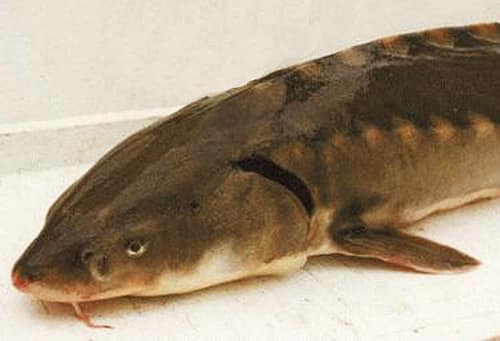
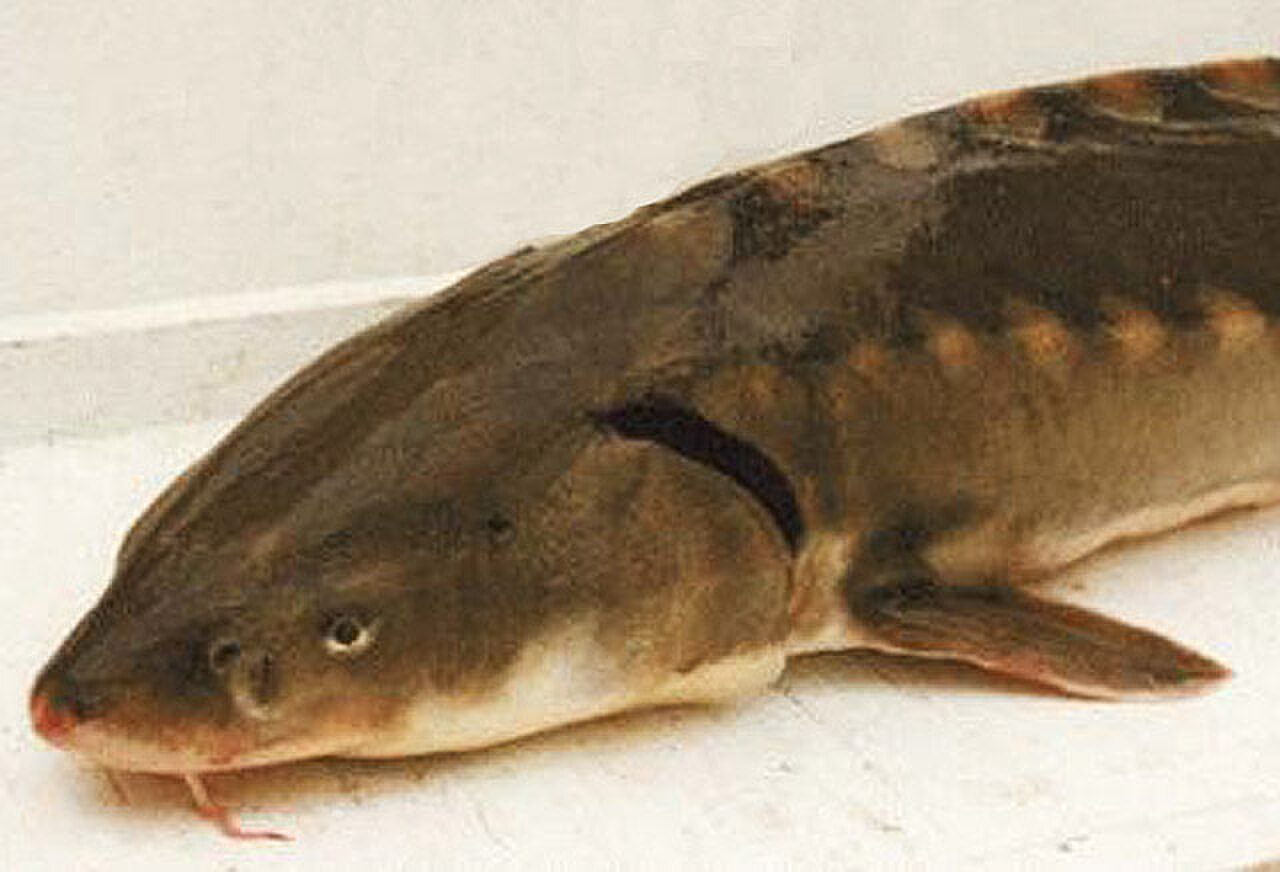
—observations
—countries
—peak records
VulnerableConservation statusIUCN Red List categoriesLCNTVUENCREWEXVulnerableRed List categories, explained →
Diet & preyAmphipods, Mollusks, Polychaete Worms
Predators
- Sharks
- Larger Fish
- Marine Mammals
ThreatsDam construction, habitat degradation, pollution, and accidental bycatch
HabitatsLarge coastal rivers, estuaries, and brackish bays
Life span30–67 years
Classification
- FamilyAcipenseridae
- SpeciesAcipenser brevirostrum
Range data is not available yet.
Interaction riskLow
- Low
- Moderate
- High
- Very high
- Why interaction risk is low
- Safe to observe at a normal distance.
- What to notice
- Recognized by a short, blunt snout, ventral barbels, and five prominent lines of bony body scutes.
- Support conservation
- Observe quietly from riverbanks or boats and report any accidental catches to local wildlife authorities.
Responsible observation
- Observation Etiquette: Watch for surface breaching in river estuaries during spring spawning runs.
- Boating Precautions: Maintain slow speeds in shallow estuarine channels to prevent boat strike injuries.
- Catch and Release: Immediately return accidentally hooked sturgeons to the water without lifting them out.
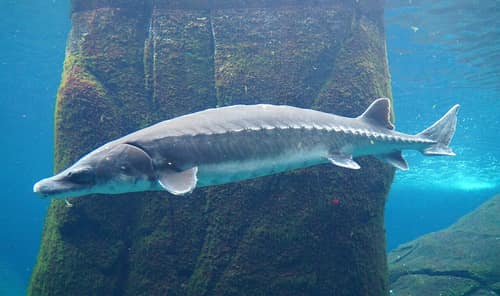
Close Relative Jiaqian AirplaneFan / CC BY 3.0 · cc-by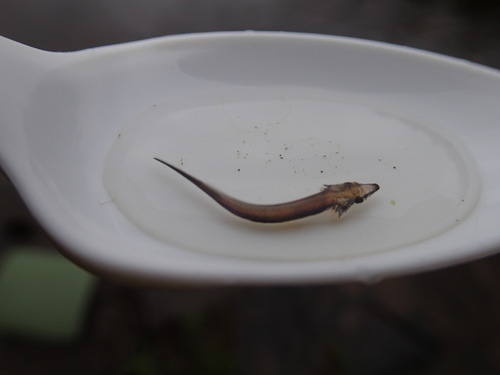
Close Relative (c) Rob Foster, some rights reserved (CC BY) · cc-by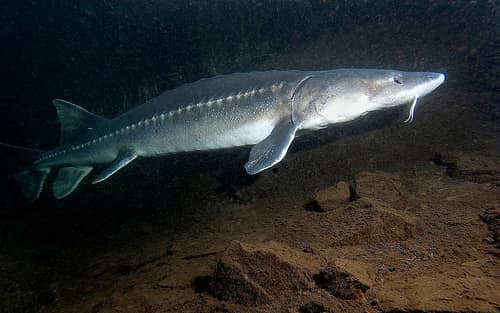
Close Relative Oregon Department of Fish & Wildlife / CC BY-SA 2.0 · cc-by-sa
Help improve the field guideSomething wrong?
Checking your Fauna account…Report a name, category, or profile issue for review.