
Species
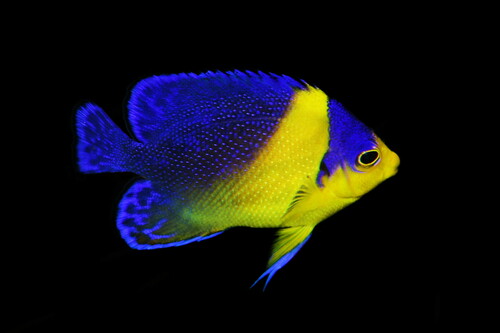
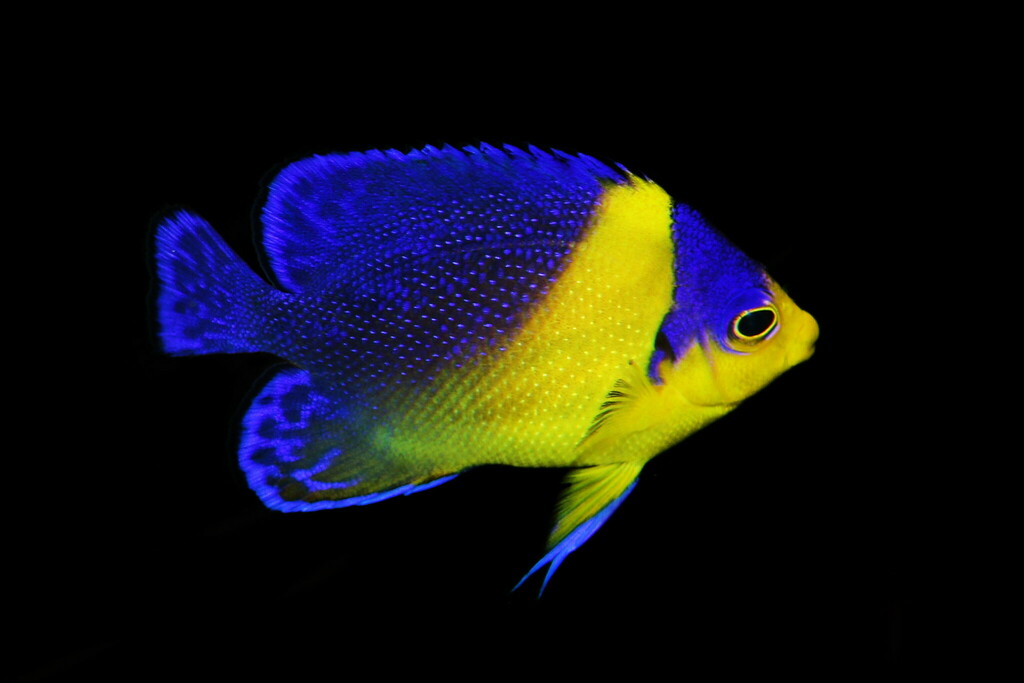
Purplemask Angelfish
Centropyge venustaAlso known as Venustus Angelfish, Purple-masked Pygmy Angelfish, Blueback Angelfish
Purplemask angelfish inhabit deep seaward reef slopes and rocky drop-offs, where they frequently swim upside down along the ceilings of dark caves and overhangs. Males maintain small harems consisting of several females within intricate networks of coral rubble and vertical crevices. They feed primarily on encrusting sponges, ascidians, and benthic algae, retreating instantaneously into rock fissures when startled.
Reef DwellerDwarf AngelfishColorful
—observations
—countries
—peak records
Least ConcernConservation statusIUCN Red List categoriesLCNTVUENCREWEXLeast ConcernRed List categories, explained →
Diet & preyEncrusting sponges, Tunicates, Filamentous algae
Predators
- Groupers
- Moray eels
- Lionfish
ThreatsHabitat loss from coral reef degradation and localized aquarium harvesting
HabitatsDeep outer reef slopes, drop-offs, caves, and rocky crevices
Life span6–10 years
Classification
- FamilyPomacanthidae
- SpeciesCentropyge venusta
Range data is not available yet.
Interaction riskLow
- Low
- Moderate
- High
- Very high
- Why interaction risk is low
- Harmless to humans; safe to observe while diving or snorkeling.
Responsible observation
- Dive Deep: Look along steep drop-offs and undercut ledges below 15 meters.
- Use a Dive Torch: Illuminate dark crevices and cave ceilings where individuals hover upside down.
- Maintain Buoyancy: Avoid kicking up silt or bumping delicate gorgonians while inspecting caves.
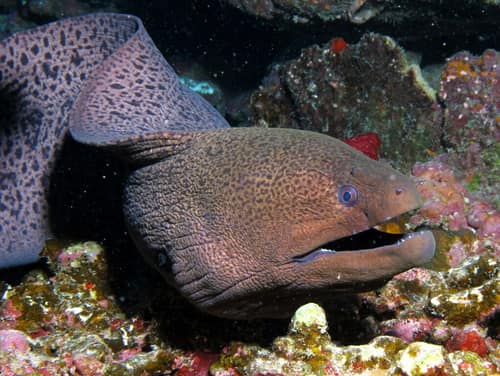
Predator (c) Derek Keats, some rights reserved (CC BY) · cc-by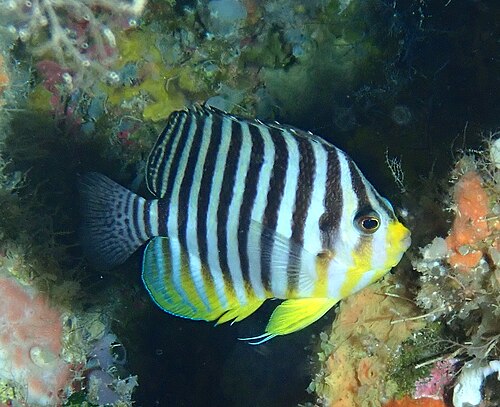
Close Relative desertnaturalist / CC BY 4.0 · cc-by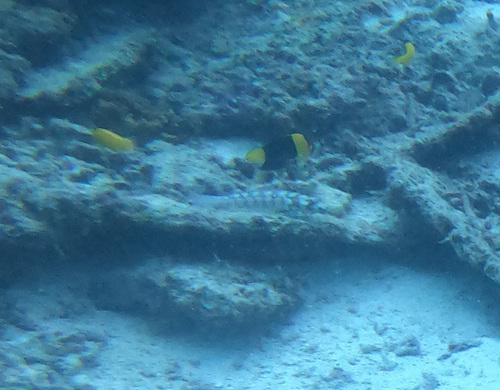
Close Relative (c) portioid, some rights reserved (CC BY) · cc-by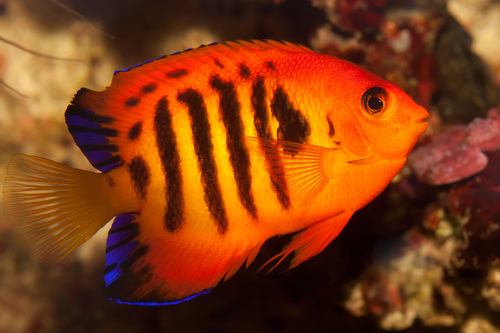
Close Relative (c) Andreas März, some rights reserved (CC BY) · cc-by
Help improve the field guideSomething wrong?
Checking your Fauna account…Report a name, category, or profile issue for review.