
Fish
Gray Snapper
Lutjanus griseusAlso known as Mangrove Snapper, Mango Snapper, Black Snapper
Gray snappers are shrewd, adaptable predators that shift from shaded mangrove creeks as juveniles to deeper coral reefs and wrecks as adults. They patrol structure in loose schools by day and fan out over seagrass beds and sand flats at night to ambush crabs, shrimp, and small fishes. Keen eyesight and a wary nature make them quick to dart into cover when divers or anglers approach.
Nocturnal HunterCoastalSchooling
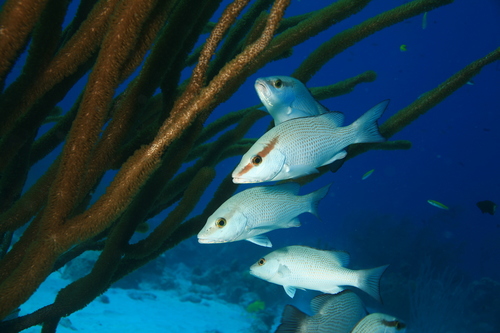
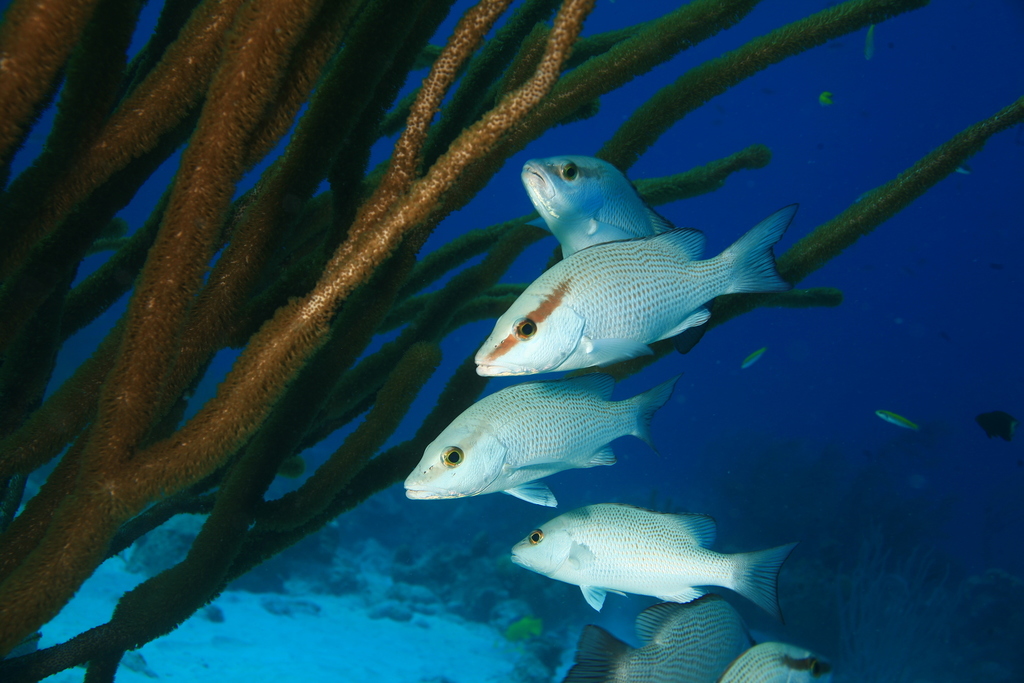
—observations
—countries
—peak records
Least ConcernConservation statusIUCN Red List categoriesLCNTVUENCREWEXLeast ConcernRed List categories, explained →
Diet & preyBlue Crabs, Shrimp, Small Reef Fishes
Predators
- Great Barracuda
- Sharks
- Large Groupers
ThreatsCommercial and recreational fishing pressure, mangrove deforestation, and coastal pollution
HabitatsMangrove estuaries, seagrass beds, freshwater tributaries, and coral reefs
Life span10–21 years
Classification
- OrderPerciformes
- FamilyLutjanidae
- GenusLutjanus
- SpeciesLutjanus griseus
Range data is not available yet.
Interaction riskLow
- Low
- Moderate
- High
- Very high
- Why interaction risk is low
- Safe to observe at a normal distance.
Responsible observation
- Approach Slowly: Sudden movements send schools retreating deep into mangrove roots or reef crevices.
- Look in Shade: Juveniles and subadults often hover motionless beneath docks, pilings, and overhanging branches.
- Watch at Dusk: Activity spikes around sunset as fish leave daytime cover to hunt over open flats.
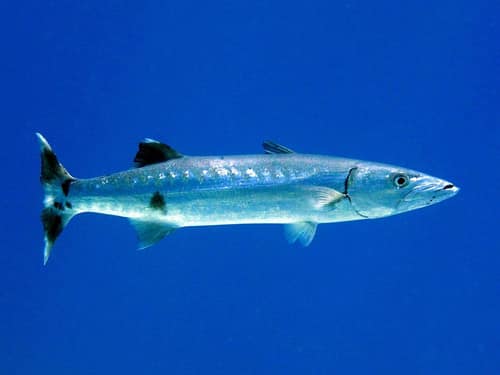
Predator Hectonichus / CC BY-SA 4.0 · CC BY-SA 4.0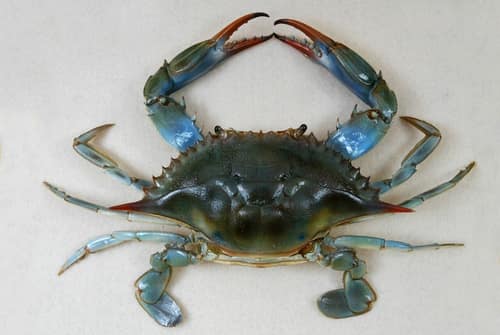
Prey Wikimedia Commons / CC BY-SA 3.0 · cc-by-sa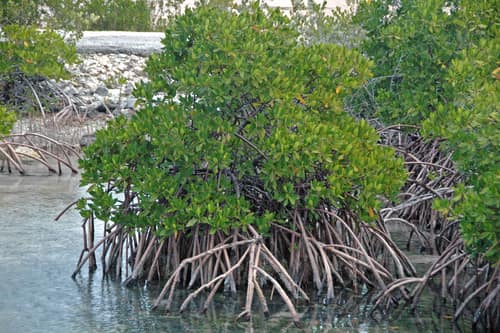
Nursery Habitat (c) James St. John, some rights reserved (CC BY) · cc-by Image unavailable
Close Relative 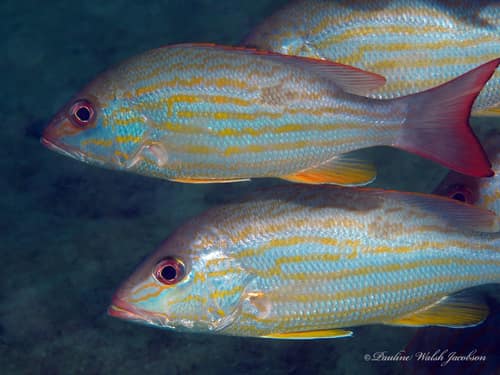
Close Relative (c) Pauline Walsh Jacobson, some rights reserved (CC BY), uploaded by Pauline Walsh Jacobson · cc-by
Help improve the field guideSomething wrong?
Checking your Fauna account…Report a name, category, or profile issue for review.