
Species
Common Snook
Centropomus undecimalisAlso known as Sergeant Fish, Robalo
Common snook patrol mangrove shorelines, estuaries, and coastal beaches across the tropical and subtropical western Atlantic, easily recognized by the bold black lateral line running from gill to tail. These opportunistic ambush predators start life as males and transition into females as they grow larger, with the biggest individuals serving as the primary spawners for coastal populations. Cold-sensitive and tied to warm shallow waters, snook gather in large schools at river mouths and inlets during summer to spawn.
CarnivoreEstuarineAmbush Predator
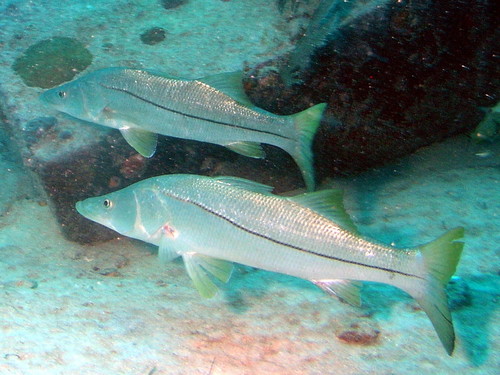
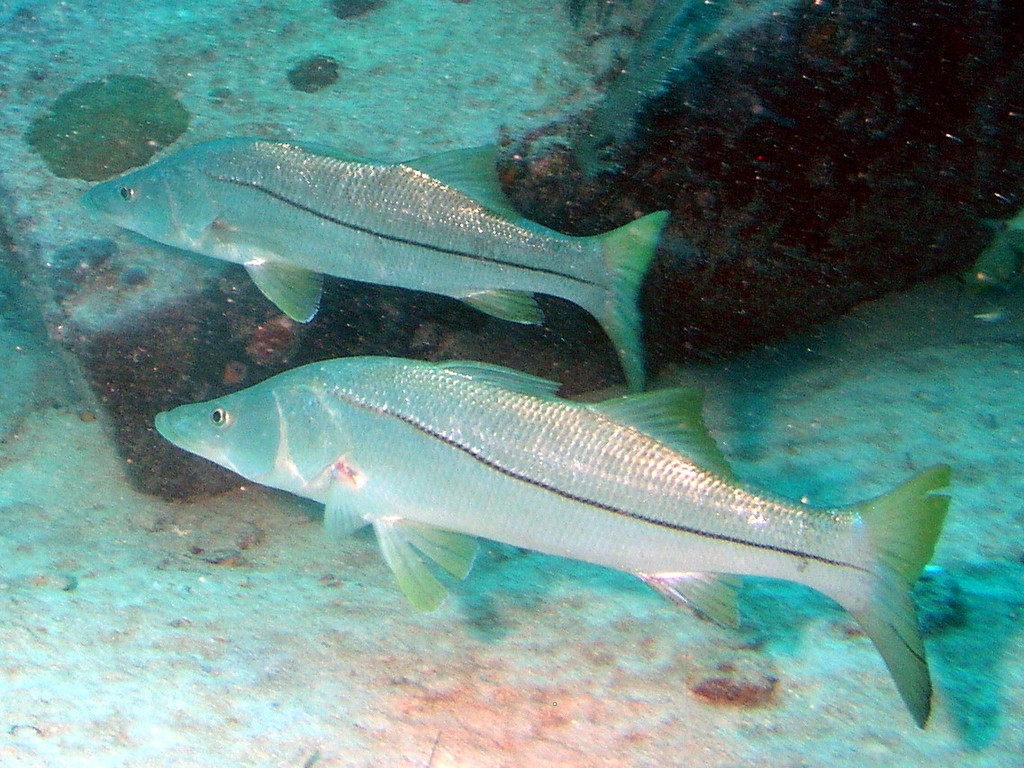
—observations
—countries
—peak records
Least ConcernConservation statusIUCN Red List categoriesLCNTVUENCREWEXLeast ConcernRed List categories, explained →
Diet & preyMullet, Pinfish, Shrimp
Predators
- Bull Shark
- Bottlenose Dolphin
- Great Barracuda
ThreatsExtreme cold snaps, mangrove habitat loss, and overfishing
HabitatsMangrove estuaries, coastal lagoons, brackish rivers, and nearshore reefs
Life spanUp to 20 years
Classification
- FamilyCentropomidae
- SpeciesCentropomus undecimalis
Range data is not available yet.
Interaction riskLow
- Low
- Moderate
- High
- Very high
- Why interaction risk is low
- Safe to observe at a normal distance.
Responsible observation
- Where to Spot: Look along shadowed mangrove roots, bridge pilings, and sandy beach troughs at dawn or dusk.
- Observation Etiquette: Move slowly when snorkeling or kayaking, as snook spook easily in clear shallow water.
- Catch and Release: Support large females horizontally and keep them in the water to protect their internal organs.
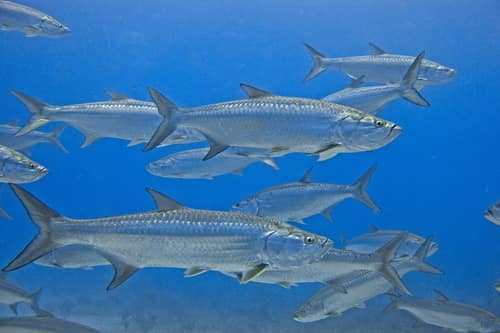
Frequent Companion (c) Matteo Cassella, some rights reserved (CC BY-SA), uploaded by Matteo Cassella · cc-by-sa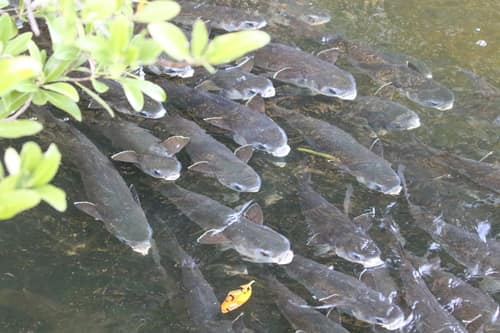
Prey no rights reserved, uploaded by Henggang Cui · cc0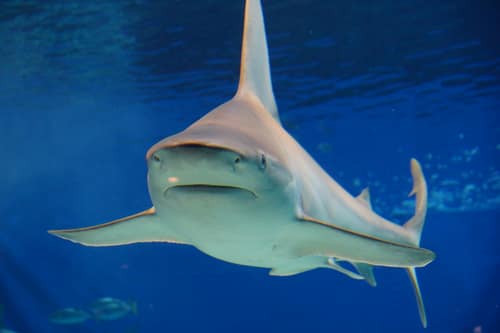
Predator "オオメジロザメ Bull shark" by ume-y is licensed under CC BY 2.0. To view a copy of this license, visit https://creativecommons.org/licenses/by/2.0/. · cc-by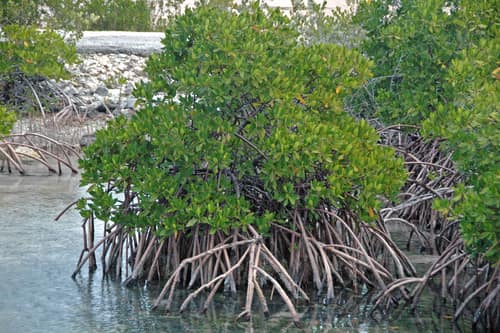
Habitat Provider (c) James St. John, some rights reserved (CC BY) · cc-by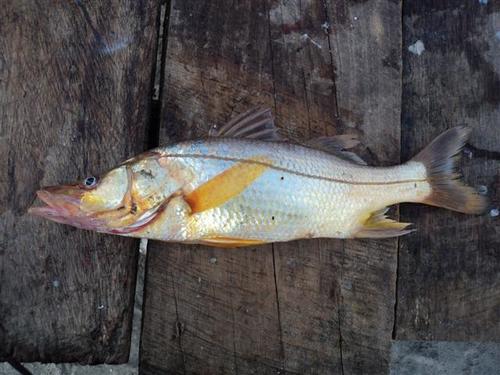
Close Relative (c) Jose Luis Andrade Campos, some rights reserved (CC BY) · cc-by
Help improve the field guideSomething wrong?
Checking your Fauna account…Report a name, category, or profile issue for review.