
Species · GBIF taxon 2362635
Common Rudd
Scardinius erythrophthalmusAlso known as Rudd, Redeye, Pearl Roach
Common rudd thrive in the sunlit shallows of heavily vegetated lowland lakes, forming loose shoals that cruise through weed beds in search of food. Their upturned mouths allow them to graze efficiently on surface insects, filamentous algae, and submerged macrophyte shoots, an unusually plant-heavy diet for a European cyprinid. Spawning occurs in late spring among dense reed stems, where sticky eggs adhere to vegetation until fry hatch a week later.
FreshwaterShoalingOmnivorous
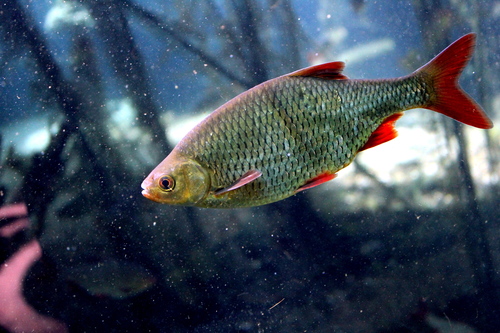
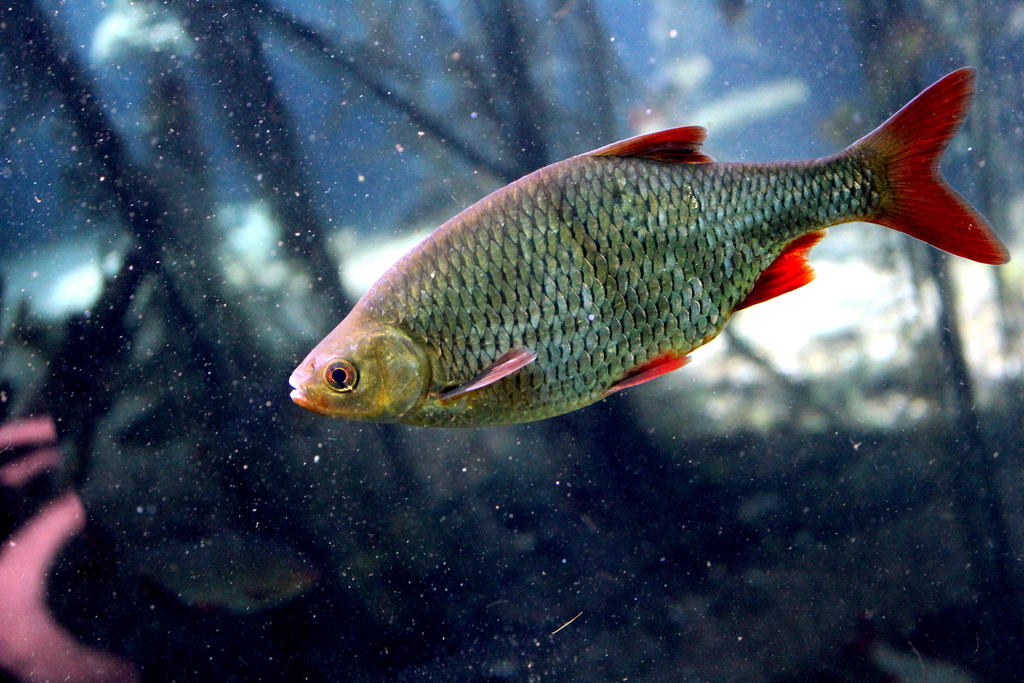
Licensed reference(c) Iidkk, some rights reserved (CC BY-SA) · cc-by-sa
—observations
—countries
—peak records
Least ConcernConservation statusIUCN Red List categoriesLCNTVUENCREWEXLeast ConcernRed List categories, explained →
Diet & prey
- Pondweed
- Chironomid Larvae
- Water Fleas
Predators
- Northern Pike
- Eurasian Otter
- Grey Heron
ThreatsEutrophication, loss of aquatic macrophyte beds, and pollution
HabitatsSlow-flowing rivers, vegetated lowland lakes, canals, and reed-fringed ponds
Life span15–20 years
Classification
- OrderCypriniformes
- FamilyCyprinidae
- GenusScardinius
- SpeciesScardinius erythrophthalmus
Range data is not available yet.
Interaction riskLow
- Low
- Moderate
- High
- Very high
- Why interaction risk is low
- Safe to observe at a normal distance.
Responsible observation
- Spotting Shoals: Look into calm, sunlit bays near thick lily pads or reed edges during warm afternoons.
- Angling Care: Use barbless hooks and wet hands to preserve their protective slime coat before release.
- Prevent Spread: Clean boat gear thoroughly to avoid spreading this species outside its native range.
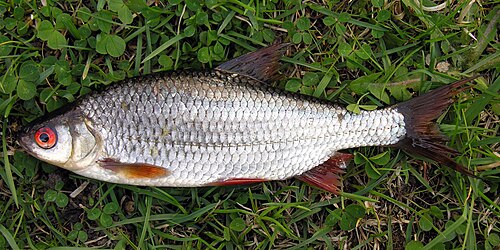
Look-alike Scardinius_erythropthalmus1_resize.jpg: Original uploader was Algirdas at lt.wikipedia derivative work: George Chernilevsky talk / CC BY-SA 3.0 · cc-by-sa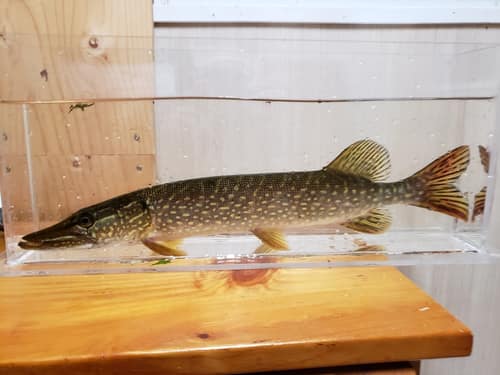
Predator (c) Patrick Jackson, some rights reserved (CC BY), uploaded by Patrick Jackson · cc-by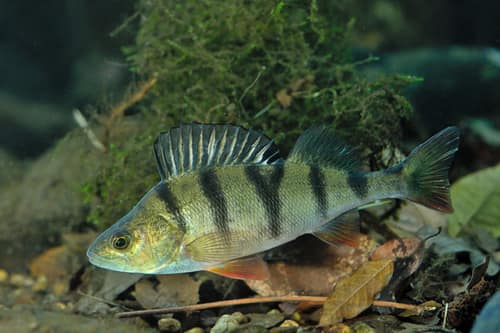
Competitor (c) Gilles San Martin, some rights reserved (CC BY-SA) · cc-by-sa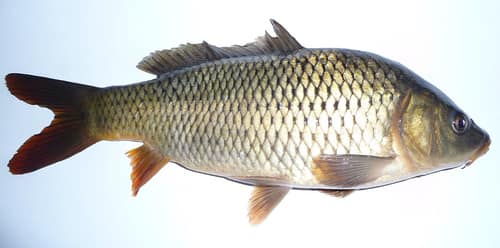
Same Family George Chernilevsky / CC BY-SA 3.0 · cc-by-sa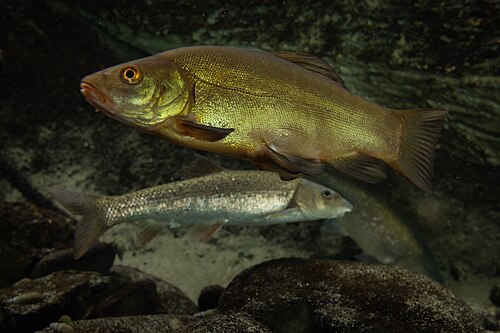
Same Family Mattia Nocciola / CC BY-SA 4.0 · cc-by-sa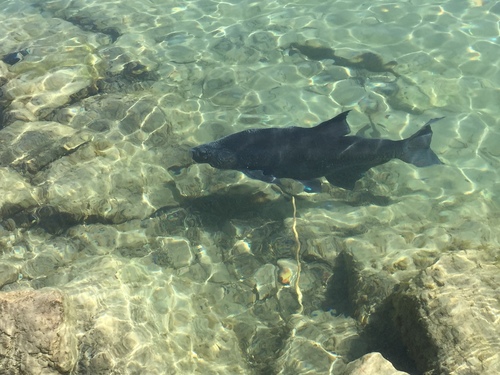
Same Family (c) Jason Grant, some rights reserved (CC BY), uploaded by Jason Grant · cc-by
Help improve the field guideSomething wrong?
Checking your Fauna account…Report a name, category, or profile issue for review.