
Fish · GBIF taxon 4286975
Wild Carp
Cyprinus carpioAlso known as Common Carp, Eurasian Carp, European Carp
Wild carp are powerful freshwater fish recognized by their deep bodies, golden-bronze scales, and distinct sensory barbels near the mouth. They forage by vacuuming up bottom sediments, sifting through mud for invertebrates while uprooting aquatic vegetation and clouding shallow waters. While native Eurasian populations face severe decline, introduced lineages thrive globally across lakes, rivers, and murky canals.
FreshwaterBottom FeederIntroduced
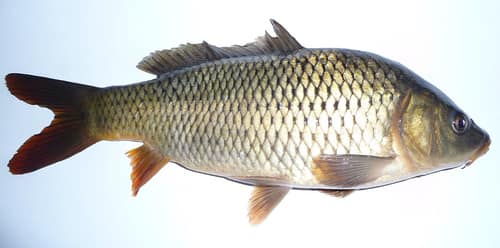
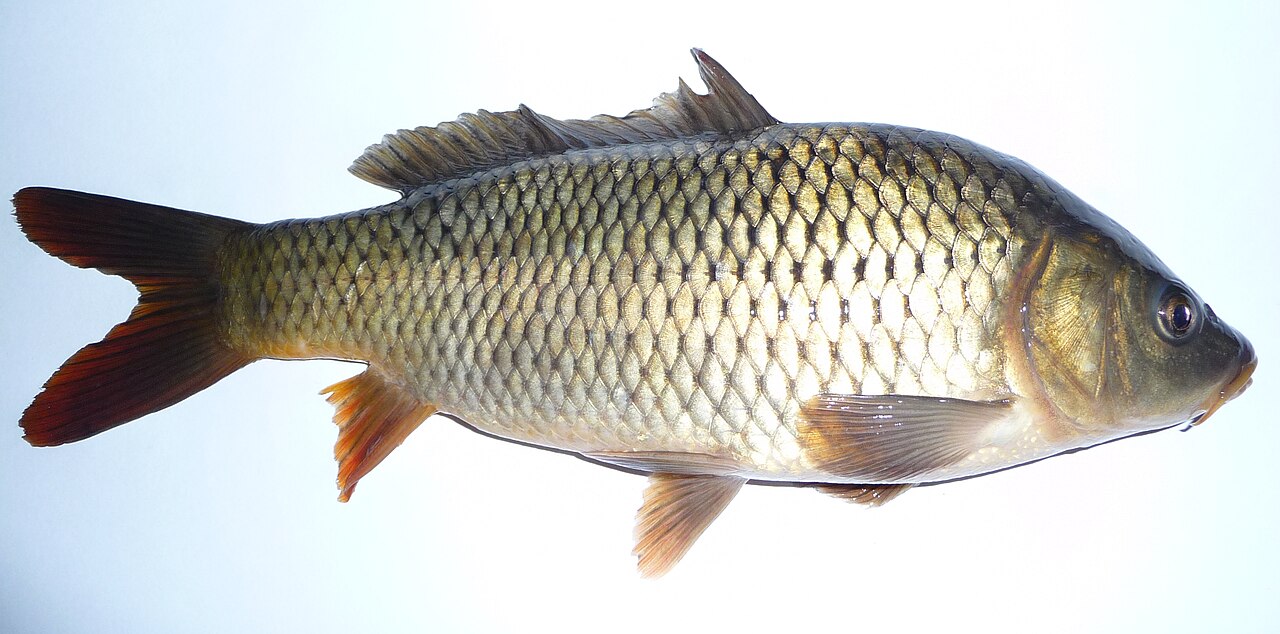
—observations
—countries
—peak records
Least ConcernConservation statusIUCN Red List categoriesLCNTVUENCREWEXLeast ConcernRed List categories, explained →
Diet & prey
- Insect Larvae
- Aquatic Worms
- Plant Seeds
Predators
- Northern Pike
- Great Blue Heron
- Eurasian Otter
ThreatsHabitat loss, dam construction, pollution, hybridization with domestic strains
HabitatsLakes, ponds, sluggish rivers, marshes, reservoirs
Life span15–20 years in the wild (up to 40 years in captivity)
Classification
- OrderCypriniformes
- FamilyCyprinidae
- GenusCyprinus
- SpeciesCyprinus carpio
Range data is not available yet.
Interaction riskLow
- Low
- Moderate
- High
- Very high
- Why interaction risk is low
- Safe to observe at a normal distance.
- What to notice
- Look for a thick-bodied fish with golden scales, two pairs of mouth barbels, and a serrated dorsal fin spine.
- Support conservation
- Observe quietly from shorelines or boats without disturbing shallow marsh vegetation during spring spawning.
Responsible observation
- Spot Mud Plumes: Look for murky clouds of mud along shallow shorelines where feeding fish disturb the bottom.
- Polarized Lenses: Wear polarized sunglasses to cut water glare when searching for large silhouettes in shallows.
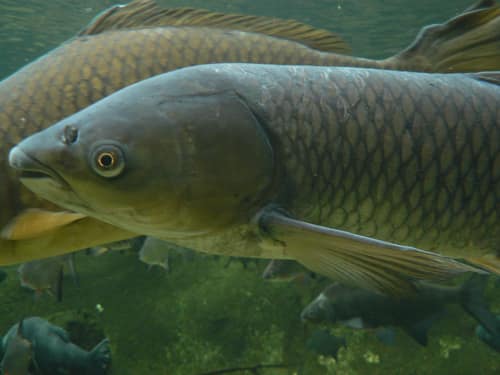
Competitor (c) anonymous, some rights reserved (CC BY-SA) · cc-by-sa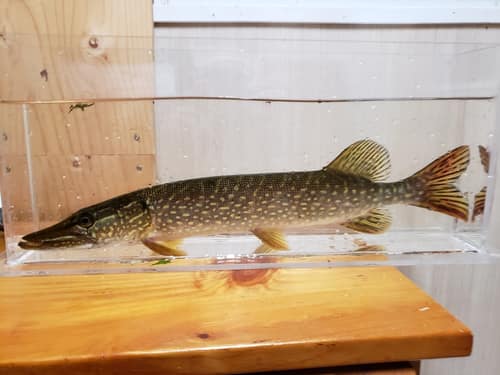
Predator (c) Patrick Jackson, some rights reserved (CC BY), uploaded by Patrick Jackson · cc-by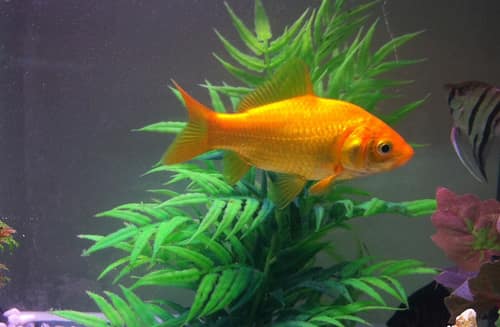
Close Relative לינה אבוגוש / CC BY-SA 3.0 · cc-by-sa
Help improve the field guideSomething wrong?
Checking your Fauna account…Report a name, category, or profile issue for review.