
Fish
Smallmouth Buffalo
Ictiobus bubalusAlso known as Razorback Buffalo, Roachback, Brown Buffalo
Smallmouth buffalo cruise the bottoms of large river channels and quiet backwaters, using their downward-turned, sucker-like mouths to vacuum up benthic invertebrates and detritus. Extraordinary longevity studies have revealed they can live well past one hundred years, reproducing slowly and intermittently over decades. Although native and ecologically vital across the Mississippi drainage, they are frequently confused with invasive carp and face intense harvest pressure.
FreshwaterLong-livedBottom-feeder
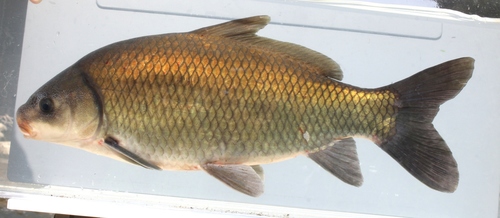
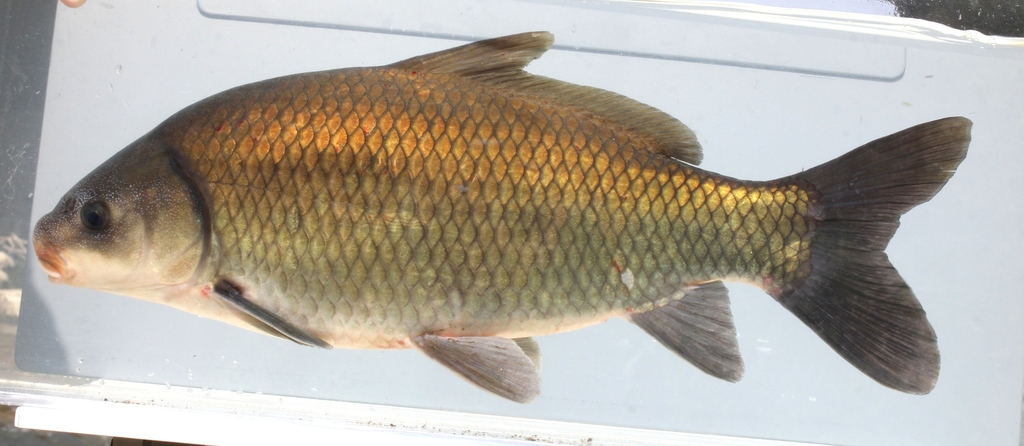
—observations
—countries
—peak records
Least ConcernConservation statusIUCN Red List categoriesLCNTVUENCREWEXLeast ConcernRed List categories, explained →
Diet & preyChironomid Midges, Caddisfly Larvae, Cladocerans
Predators
- Northern Pike
- Flathead Catfish
- Bald Eagle
ThreatsUnregulated bowfishing, dam construction disrupting spawning migrations, and river siltation.
HabitatsDeep pools, channels, backwaters, and oxbows of large rivers, as well as clear impoundments and reservoirs.
Life spanUp to 112 years
Classification
- OrderCypriniformes
- FamilyCatostomidae
- GenusIctiobus
- SpeciesIctiobus bubalus
Range data is not available yet.
Interaction riskLow
- Low
- Moderate
- High
- Very high
- Why interaction risk is low
- Safe to observe at a normal distance.
Responsible observation
- Spotting: Scan clear river shallows and tailwaters during spring when schools move into shallow areas to spawn.
- Identification: Check the upper lip for barbels; native buffalofish lack the whiskers seen on invasive common carp.
- Angling: Practice catch-and-release, handling these slow-growing centenarians with damp hands and a padded mat.
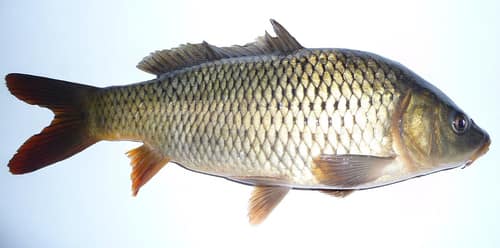
Competitor George Chernilevsky / CC BY-SA 3.0 · cc-by-sa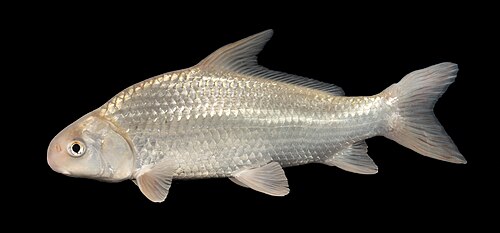
Frequent Companion USFWS Mountain Prairie / Public domain · cc0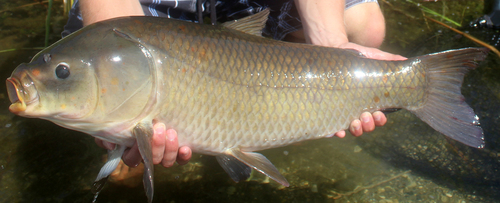
Close Relative (c) Alus164, some rights reserved (CC BY-SA) · cc-by-sa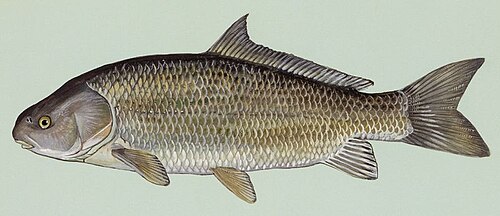
Close Relative Wikimedia Commons / Public domain · cc0
Help improve the field guideSomething wrong?
Checking your Fauna account…Report a name, category, or profile issue for review.