
Species · GBIF taxon 2350910
Oyster Toadfish
Opsanus tauAlso known as Oyster Toad, Ugly Toad, Oyster Cracker, Bar Dog
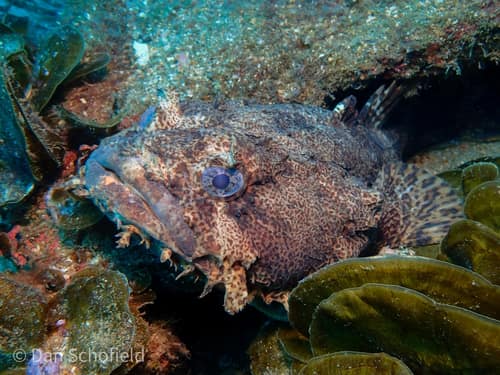
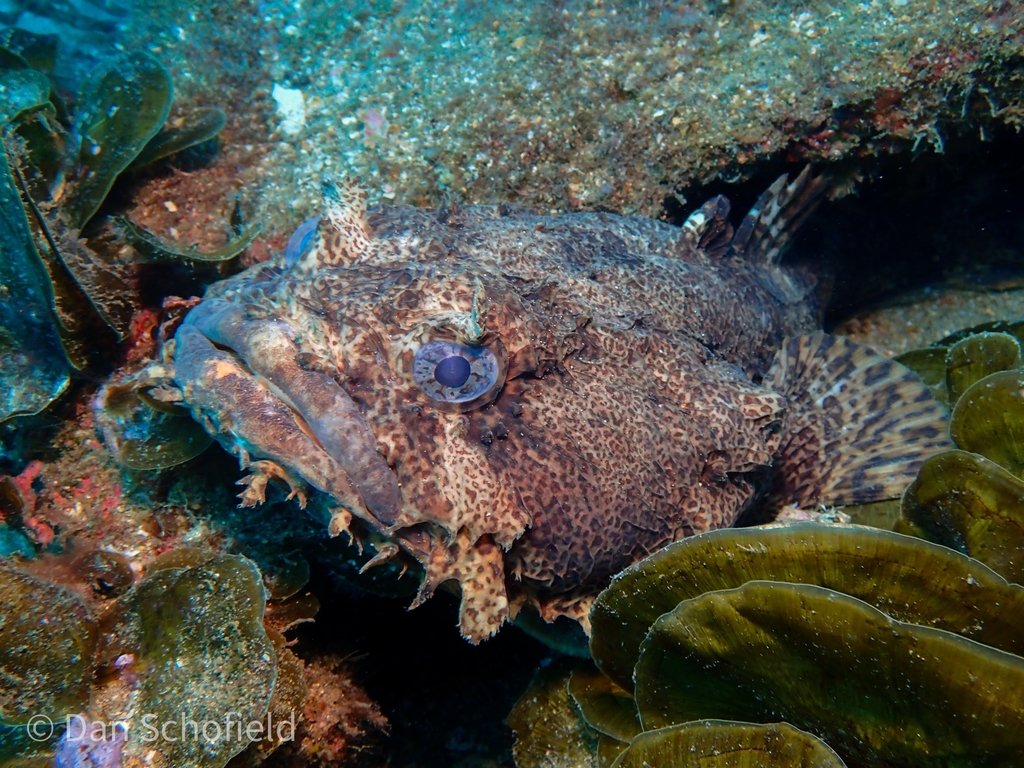
Oyster toadfish are sluggish bottom-dwellers with broad, flattened heads, fleshy chin barbels, and mottled brown camouflage that blends seamlessly into murky estuaries. During spring and summer, nesting males produce loud, foghorn-like boatwhistle calls by rapidly vibrating muscles against their swim bladders to attract females. Exceptionally hardy, these fish thrive in low-oxygen waters, can survive out of water for hours, and readily nest inside discarded cans and footwear.
Bottom DwellerAmbush PredatorVocal
 1 / 5
1 / 5—observations
—countries
—peak records
Least ConcernConservation statusIUCN Red List categoriesLCNTVUENCREWEXLeast ConcernRed List categories, explained →
Diet & prey
- Mud Crabs
- Eastern Oysters
- Small Fish
Predators
- Large Sharks
- Groupers
- Sea Otters
ThreatsCoastal development, pollution, and accidental angler mortality
HabitatsEstuaries, oyster reefs, coastal bays, and artificial structures
Life span12–24 years
Classification
- FamilyBatrachoididae
- SpeciesOpsanus tau
Range data is not available yet.
Interaction riskLow
- Low
- Moderate
- High
- Very high
- Why interaction risk is low
- Possesses remarkably powerful jaws and sharp teeth; keep hands well clear of the mouth if encountered.
- Why it is dangerous
- Equipped with extraordinarily powerful crushing jaws and sharp teeth that can inflict deep, painful wounds or break bone.
- How to recognize a risky encounter
- Recognizable by its wide toad-like head, thick chin barbels, slimy skin without scales, and brown blotched pattern.
- What to do
- Never place fingers anywhere near the mouth, and use heavy gloves or pliers if unhooking a caught fish.
Responsible observation
- Watch Your Step: Wear stout water shoes when wading around oyster beds or rocky jetties where they conceal themselves.
- Handle safely: Use long-nosed pliers to remove hooks if accidentally caught while fishing.
- Listen after dark: Listen near coastal docks during late spring nights for their booming foghorn-like mating calls.
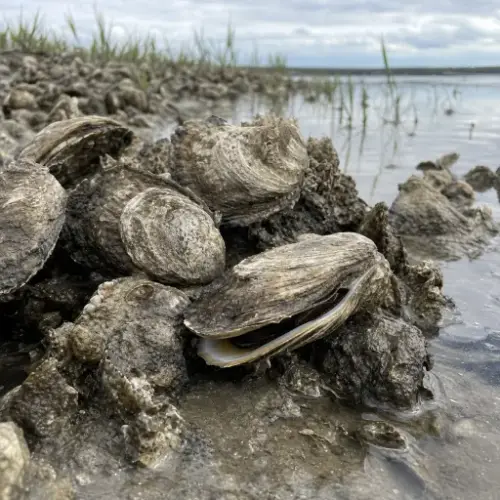
Habitat Companion Unknown / CC-BY · cc-by Image unavailable
Close Relative Family Member
Help improve the field guideSomething wrong?
Checking your Fauna account…Report a name, category, or profile issue for review.