
Species
Eastern Mosquitofish
Gambusia holbrookiAlso known as Plague Minnow
Eastern mosquitofish patrol warm, shallow waters just beneath the surface, snapping up mosquito larvae and tiny invertebrates with upturned mouths. Females give birth to live, free-swimming young rather than laying eggs, and can store sperm to produce multiple broods in a single season. Hardy enough to survive low oxygen and brackish conditions, they have been stocked worldwide for pest control and now compete aggressively with native small fishes outside their home range.
FreshwaterLivebearerSurface Feeder
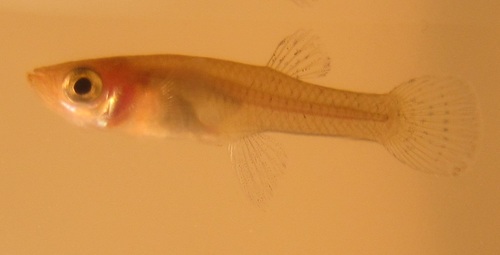
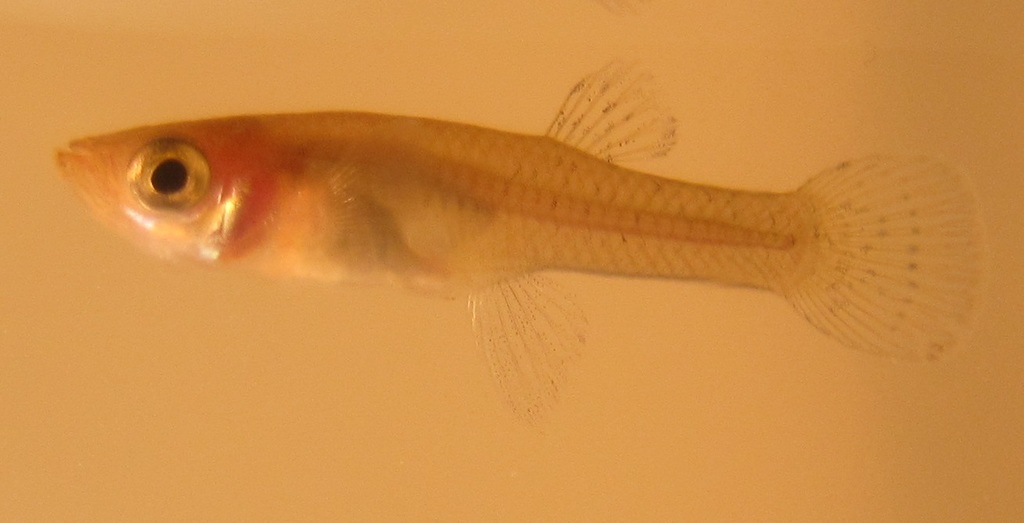
—observations
—countries
—peak records
Least ConcernConservation statusIUCN Red List categoriesLCNTVUENCREWEXLeast ConcernRed List categories, explained →
Diet & preyMosquito Larvae, Zooplankton, Midges
Predators
- Largemouth Bass
- Great Egret
- Bullfrogs
ThreatsLocalized habitat loss and chemical runoff, though populations remain widespread and resilient
HabitatsWarm, slow-moving streams, ponds, marshes, ditches, and brackish estuaries
Life span1 to 2 years
Classification
- FamilyPoeciliidae
- SpeciesGambusia holbrooki
Range data is not available yet.
Interaction riskLow
- Low
- Moderate
- High
- Very high
- Why interaction risk is low
- Safe to observe at a normal distance.
Responsible observation
- Where to Look: Scan the top few centimeters of calm, sunlit ditches, pond edges, and marshy backwaters.
- Tell Sexes Apart: Look for larger, deeper-bodied females swimming alongside smaller, slender males.
- Watch Feeding: Observe the upturned mouth skimming the surface film for mosquito larvae and fallen insects.
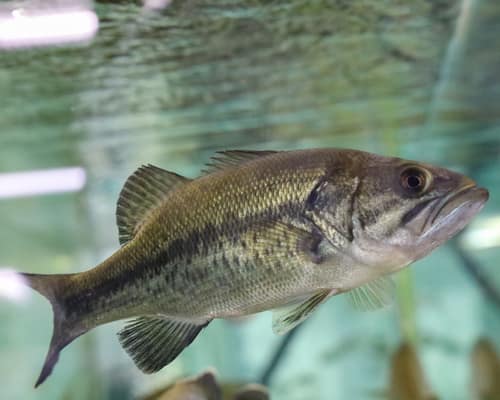
Predator (c) Oak Ridge National Laboratory, some rights reserved (CC BY) · cc-by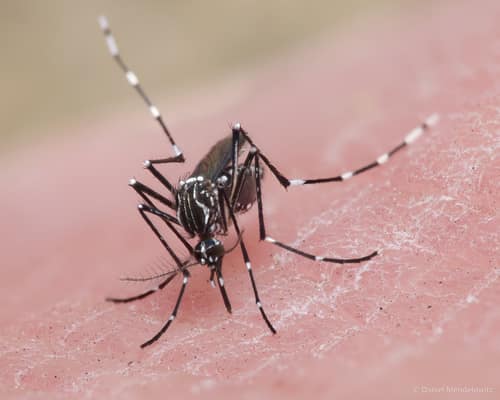
Prey (c) Dan Mendelowitz, some rights reserved (CC BY), uploaded by Dan Mendelowitz · cc-by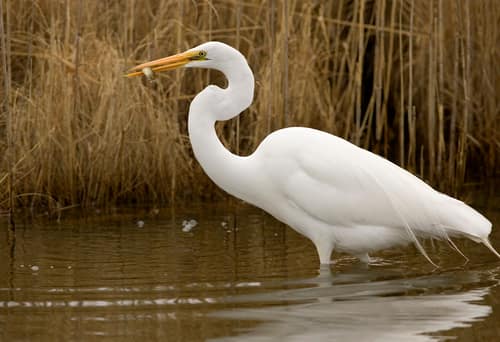
Predator "Photo of the Week - Great Egret at Chincoteague National Wildlife Refuge" by U. S. Fish and Wildlife Service - Northeast Region is marked with Public Domain Mark 1.0. To view the terms, visit https://creativecommons.org/publicdomain/mark/1.0/. · cc0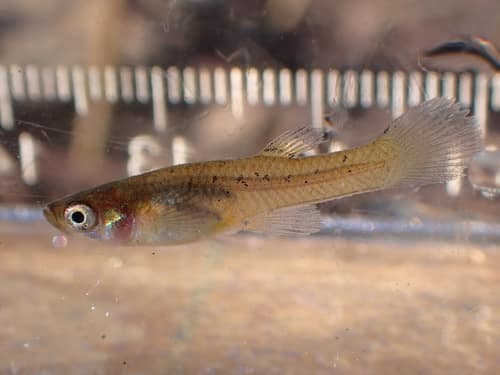
Close Relative (c) Zakqary Roy, some rights reserved (CC BY), uploaded by Zakqary Roy · cc-by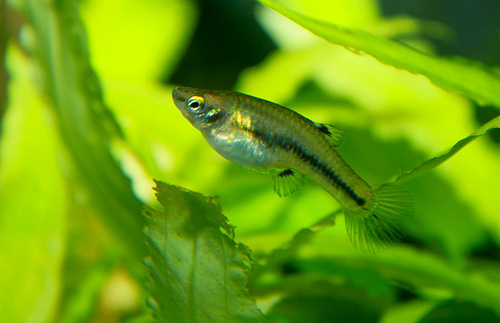
Same Family (c) Brian Gratwicke, some rights reserved (CC BY) · cc-by
Help improve the field guideSomething wrong?
Checking your Fauna account…Report a name, category, or profile issue for review.