
Fish
Kelp Greenling
Hexagrammos decagrammusAlso known as Greenling, Chirus, California Kelp Greenling
Kelp greenlings are prominent bottom-dwellers in temperate Pacific kelp forests and rocky reefs, displaying dramatic sexual dimorphism that originally led biologists to classify males and females as separate species. Males exhibit a slate-blue or brownish body speckled with vivid turquoise spots ringed in black, while females sport a warm tan-to-golden hue covered in dense reddish-brown freckles. During the autumn spawning season, females lay pale blue masses of adhesive eggs in rocky crevices, which males aggressively guard from sculpins and other nest predators until hatching.
MarineCamouflageReef Dweller
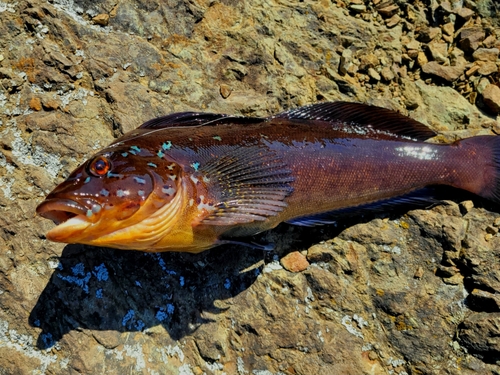
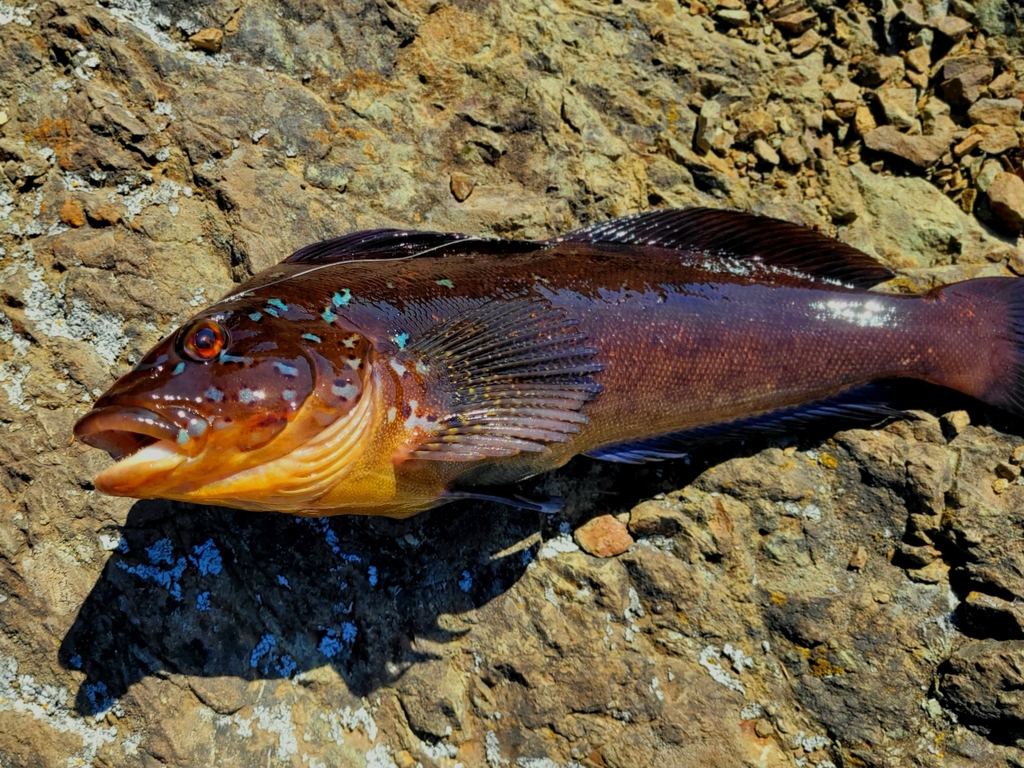
—observations
—countries
—peak records
Not EvaluatedConservation statusIUCN Red List categoriesLCNTVUENCREWEXNot Evaluated — not placed on the risk ladderRed List categories, explained →
Diet & preyShore Crab, Polychaete Worm, Mysid Shrimp
Predators
- Lingcod
- Harbor Seal
- Cabezon
ThreatsLocalized overfishing, coastal habitat degradation, and kelp canopy loss
HabitatsRocky reefs, kelp forests, and shallow subtidal shores down to 46 meters
Life span12–18 years
Classification
- OrderScorpaeniformes
- FamilyHexagrammidae
- GenusHexagrammos
- SpeciesHexagrammos decagrammus
Range data is not available yet.
Interaction riskLow
- Low
- Moderate
- High
- Very high
- Why interaction risk is low
- Safe to observe at a normal distance.
Responsible observation
- Diving Etiquette: Approach slowly while scuba diving or snorkeling, as resting greenlings often stay put if not startled.
- Angler Handling: Watch for sharp dorsal fin spines and small teeth when releasing hooked fish.
- Nesting Season: Avoid disturbing rocky crevices in autumn when protective males guard egg clutches.
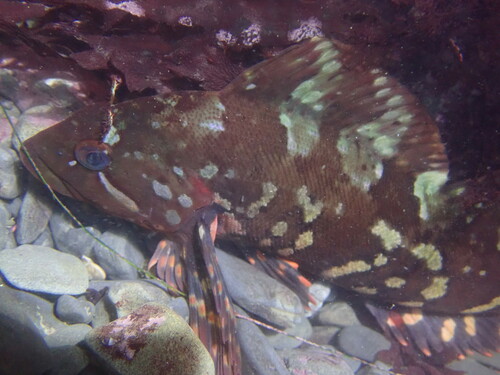
Same Genus (c) Cricket Raspet, some rights reserved (CC BY) · cc-by Image unavailable
Same Genus 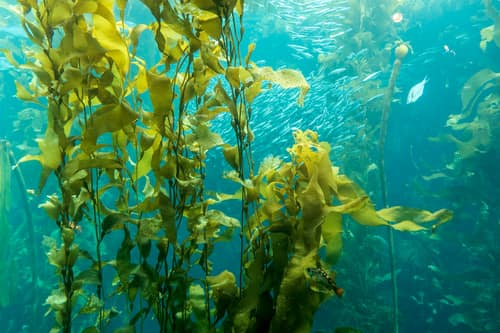
Host Plant "Giant kelp (Macrocystis pyrifera), Monterey Bay aquarium, California" by LT&C is licensed under CC BY 2.0. To view a copy of this license, visit https://creativecommons.org/licenses/by/2.0/. · cc-by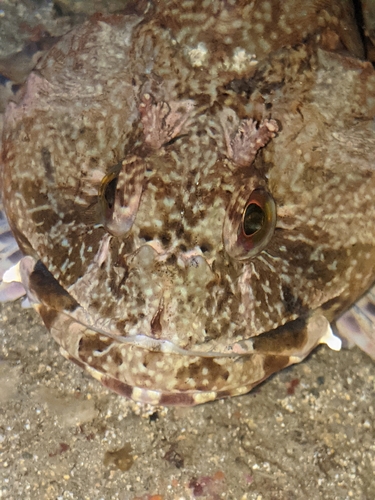
Competitor no rights reserved, uploaded by Alex Heyman · cc0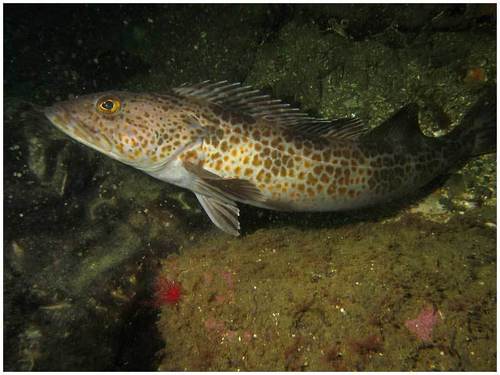
Close Relative (c) Dan Hershman, some rights reserved (CC BY) · cc-by
Help improve the field guideSomething wrong?
Checking your Fauna account…Report a name, category, or profile issue for review.