
Plant
Giant Kelp
Macrocystis pyriferaAlso known as Bladder Kelp, Giant Bladder Kelp
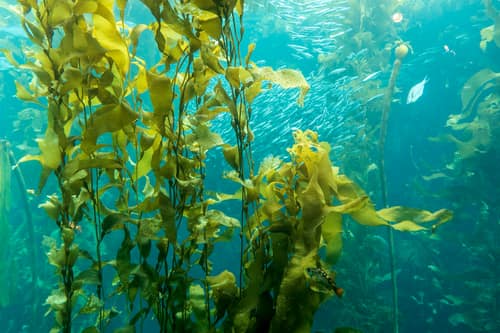
Giant kelp ranks among the fastest-growing photosynthetic organisms on Earth, stretching upwards toward sunlight at rates of up to 50 centimeters per day. Dense underwater forests of these towering algae anchor to rocky reefs using tangled holdfasts while gas-filled bladders lift fronds toward the ocean surface to form floating canopies. These complex marine habitats buffer coastal erosion and provide food, nursery grounds, and shelter for hundreds of fish and invertebrate species.
MarineFast-GrowingForest-Forming

—observations
—countries
—peak records
Not EvaluatedConservation statusIUCN Red List categoriesLCNTVUENCREWEXNot Evaluated — not placed on the risk ladderRed List categories, explained →
Diet & preyAutotrophic (photosynthesis)
Predators
- Purple Sea Urchin
- Red Sea Urchin
- Kelp Snail
ThreatsOcean warming, marine heatwaves, sea urchin overgrazing, severe storms
HabitatsSubtidal rocky reefs, temperate coastlines, cold nutrient-rich waters
Life spanUp to 3 years (individual fronds live ~100 days)
Classification
- OrderLaminariales
- FamilyLaminariaceae
- GenusMacrocystis
- SpeciesMacrocystis pyrifera
Range data is not available yet.
Interaction riskLow
- Low
- Moderate
- High
- Very high
- Why interaction risk is low
- Safe to observe at a normal distance while diving or boating.
Responsible observation
- Tidepool spotting: Look for washed-up gas bladders and holdfasts along rocky shores during low tide.
- Diving safely: Keep gear streamlined to avoid getting caught in dense canopy fronds near the surface.
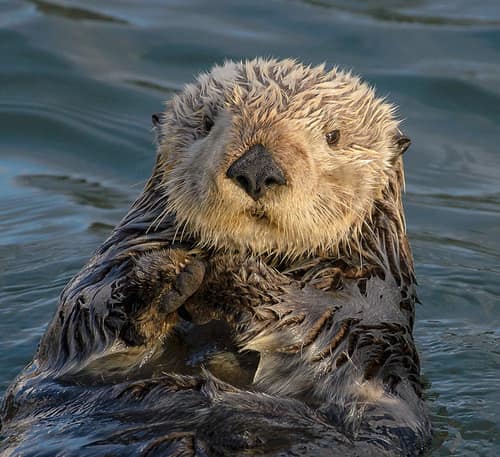
Keystone Predator Marshal Hedin from San Diego / CC BY-SA 2.0 · cc-by-sa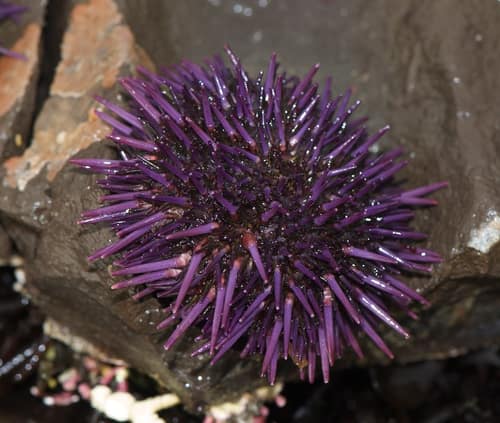
Herbivore (c) Jerry Kirkhart, some rights reserved (CC BY) · cc-by
Canopy Competitor "Bull kelp.(Nereocystis luetkeana)" by Bernard Spragg is marked with CC0 1.0. To view the terms, visit https://creativecommons.org/publicdomain/zero/1.0/. · cc0
Resident Fish (c) Brian Gratwicke, some rights reserved (CC BY) · cc-by
Keep collecting in Fauna
Found in Collections
Ecosystem chain
Wetland Territory
Giant Kelp is found in this collection. Identify it in Fauna to fill this slot and continue your progress.
—/12
Help improve the field guideSomething wrong?
Checking your Fauna account…Report a name, category, or profile issue for review.