
Invertebrate
Milk Snail
Otala lacteaAlso known as Spanish Snail
Milk snails are hardy, nocturnal land snails native to the western Mediterranean and now established across warm coastal and urban regions worldwide. Easily recognized by a glossy, dark chocolate-brown lip lining the shell opening, they emerge after rain to graze on foliage and decaying plants. During dry heat, individuals seal themselves to walls, rocks, or plant stems with a hardened mucus membrane called an epiphragm to conserve moisture.
NocturnalTerrestrialIntroduced
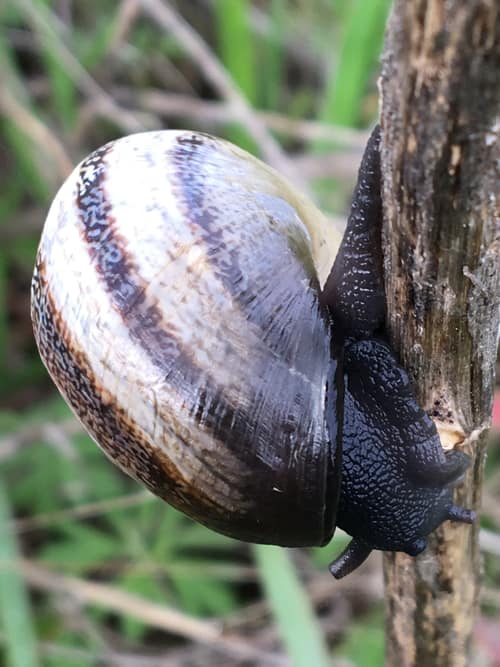
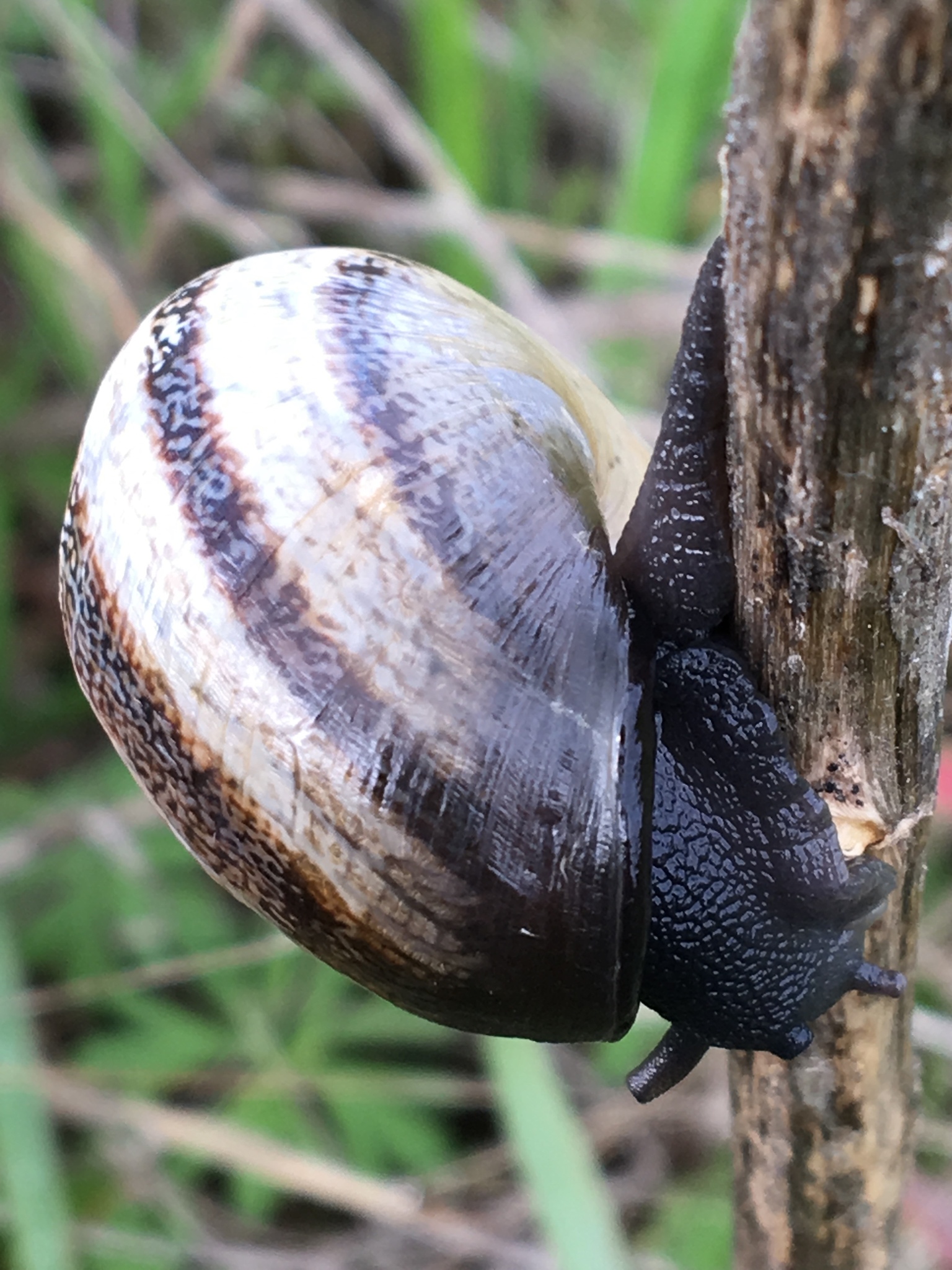
—observations
—countries
—peak records
Least ConcernConservation statusIUCN Red List categoriesLCNTVUENCREWEXLeast ConcernRed List categories, explained →
Diet & preyDecaying leaves, Garden foliage, Fungi
Predators
- Songbirds
- Hedgehogs
- Ground beetles
ThreatsMolluscicides, habitat disturbance, and local harvesting for food
HabitatsMediterranean scrub, coastal dunes, rocky grasslands, and urban gardens
Life span3–5 years
Classification
- OrderStylommatophora
- FamilyHelicidae
- GenusOtala
- SpeciesOtala lactea
Range data is not available yet.
Interaction riskLow
- Low
- Moderate
- High
- Very high
- Why interaction risk is low
- Safe to observe at a normal distance; wash hands after handling wild snails.
Responsible observation
- Look After Rain: Search damp walls, tree trunks, and garden borders at dusk following rainfall.
- Check the Lip: Identify adults by the glossy, dark chocolate-brown rim inside the shell opening.
- Leave Dormant Snails: Avoid pulling sealed snails off surfaces, as breaking their epiphragm causes dehydration.
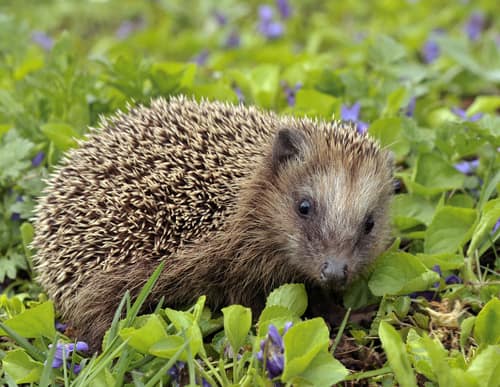
Predator (c) Michael Gäbler, some rights reserved (CC BY-SA) · cc-by-sa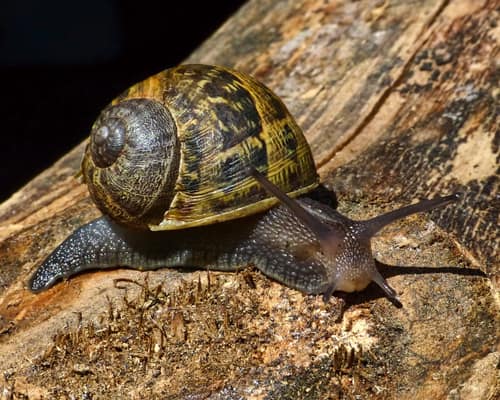
Same Family "Garden Snail" by SidPix is licensed under CC BY 2.0. To view a copy of this license, visit https://creativecommons.org/licenses/by/2.0/. · cc-by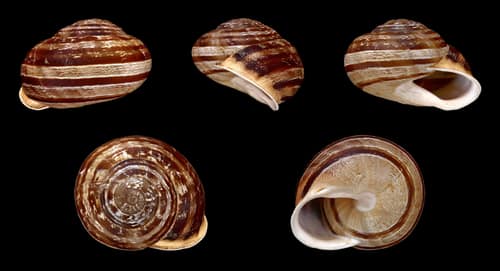
Same Family (c) H. Zell , some rights reserved (CC BY-SA) · cc-by-sa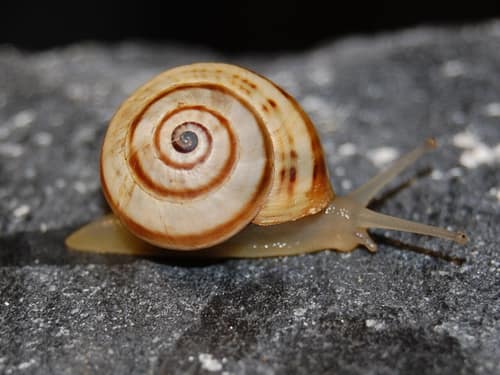
Same Family tato grasso / CC BY-SA 3.0 · cc-by-sa
Keep collecting in Fauna
Found in Collections
Ecosystem chain Pro
Secret Garden
Milk Snail is found in this collection. Identify it in Fauna to fill this slot and continue your progress.
Unlock to track progress
Help improve the field guideSomething wrong?
Checking your Fauna account…Report a name, category, or profile issue for review.