
Invertebrate
European Common Cuttlefish
Sepia officinalisEuropean common cuttlefish are master shapeshifters of the seafloor, flashing rapid zebra-like bands and raised skin papillae to court mates, startle rivals, or vanish into sand and seagrass. Each spring and summer they migrate into shallow coastal waters to spawn, where females attach grape-like clusters of ink-darkened eggs to seagrass blades and submerged branches. Equipped with W-shaped pupils, a porous internal cuttlebone for buoyancy, and two extendable feeding tentacles, they ambush crustaceans and small fish before retreating to deeper offshore waters for winter.
CamouflagingMigratoryMarine
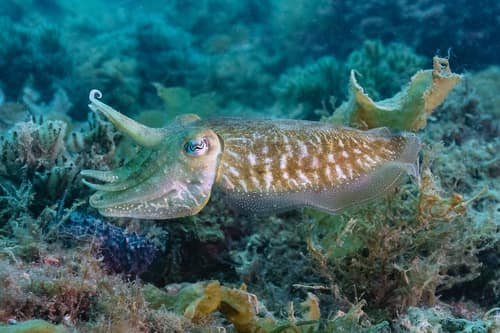
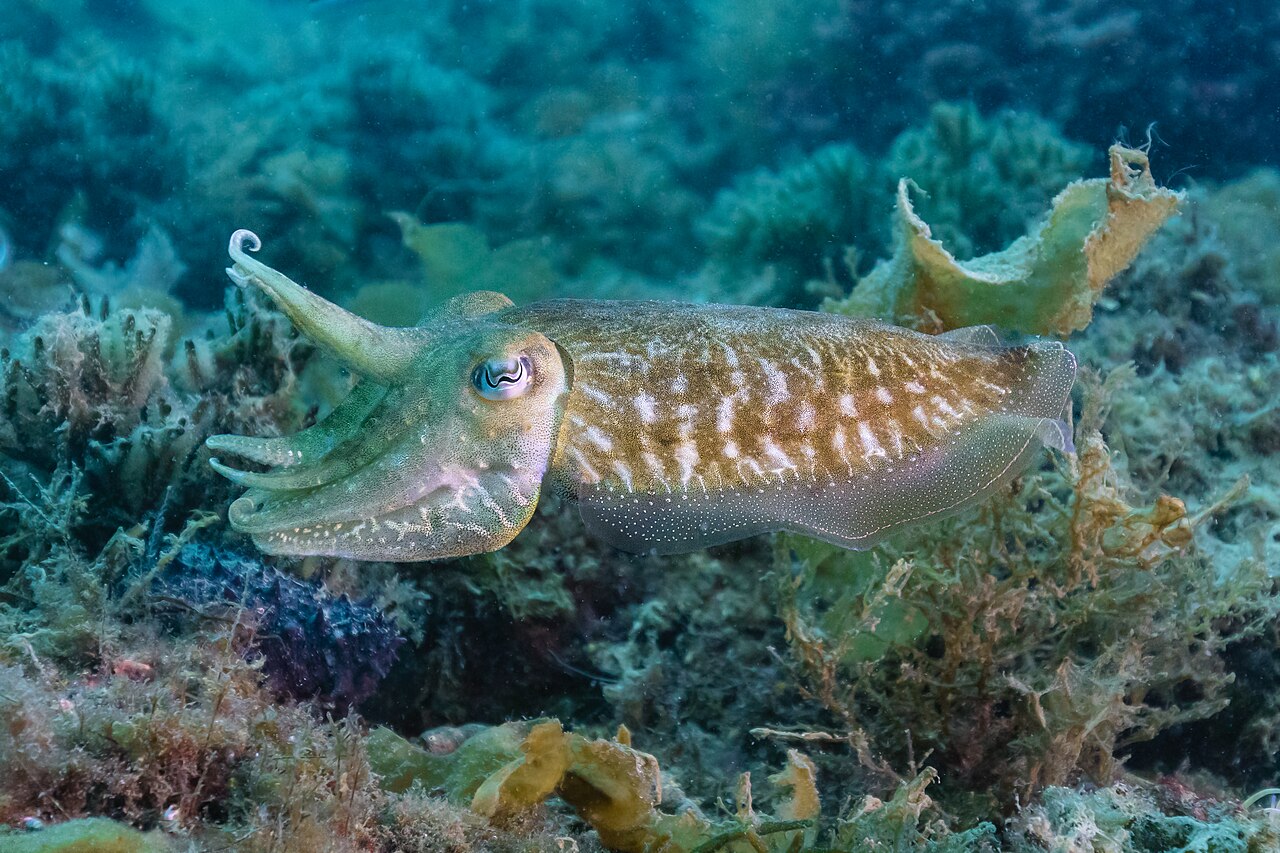
—observations
—countries
—peak records
Least ConcernConservation statusIUCN Red List categoriesLCNTVUENCREWEXLeast ConcernRed List categories, explained →
Diet & preyShore crabs, Shrimp, Small bony fish
Predators
- Bottlenose dolphins
- European conger eels
- Large sharks
ThreatsCommercial trawling and trap fisheries, coastal spawning habitat loss, and ocean warming
HabitatsCoastal seagrass beds, sandy and muddy seafloors, and offshore waters to 200 m deep
Life span1–2 years
Classification
- OrderSepiida
- FamilySepiidae
- GenusSepia
- SpeciesSepia officinalis
Range data is not available yet.
Interaction riskLow
- Low
- Moderate
- High
- Very high
- Why interaction risk is low
- Safe to observe at a normal distance; avoid handling, as cornered individuals can nip with their beak.
Responsible observation
- Underwater Observation: Hover calmly above sandy edges or seagrass beds and watch for subtle eye movements.
- Beachcombing: Look along tidelines after storms for chalky white cuttlebones washed ashore from offshore waters.
- Respect Spawning Sites: Avoid disturbing dark, grape-like egg clusters attached to coastal seaweeds in spring.
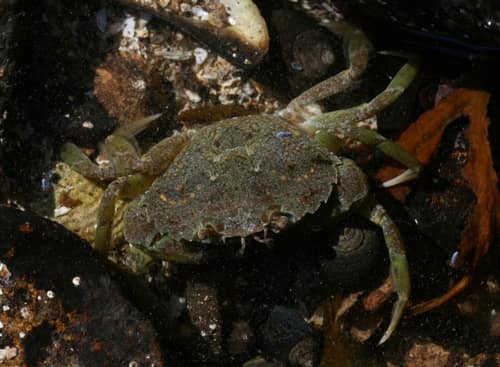
Prey (c) Sandy Rae, some rights reserved (CC BY) · cc-by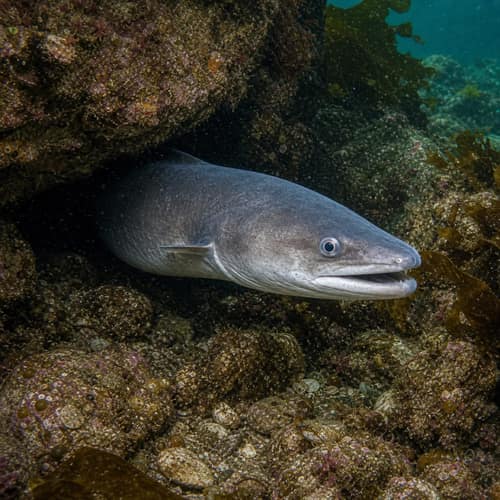
Predator Matthieu Sontag / CC BY 3.0 · CC BY 3.0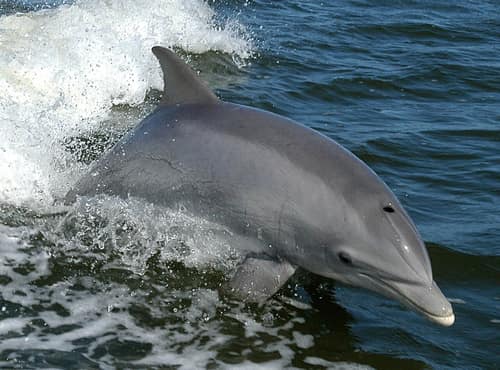
Predator NASA / Public domain · cc0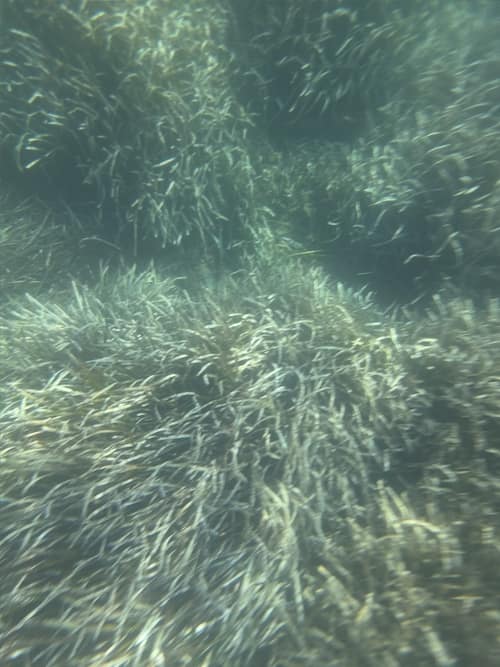
Spawning Habitat (c) Christophe, some rights reserved (CC BY) · cc-by Image unavailable
Close Relative Close Relative
Help improve the field guideSomething wrong?
Checking your Fauna account…Report a name, category, or profile issue for review.