
Invertebrate · GBIF taxon 2287849
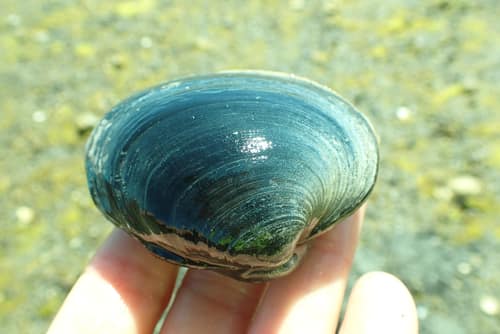
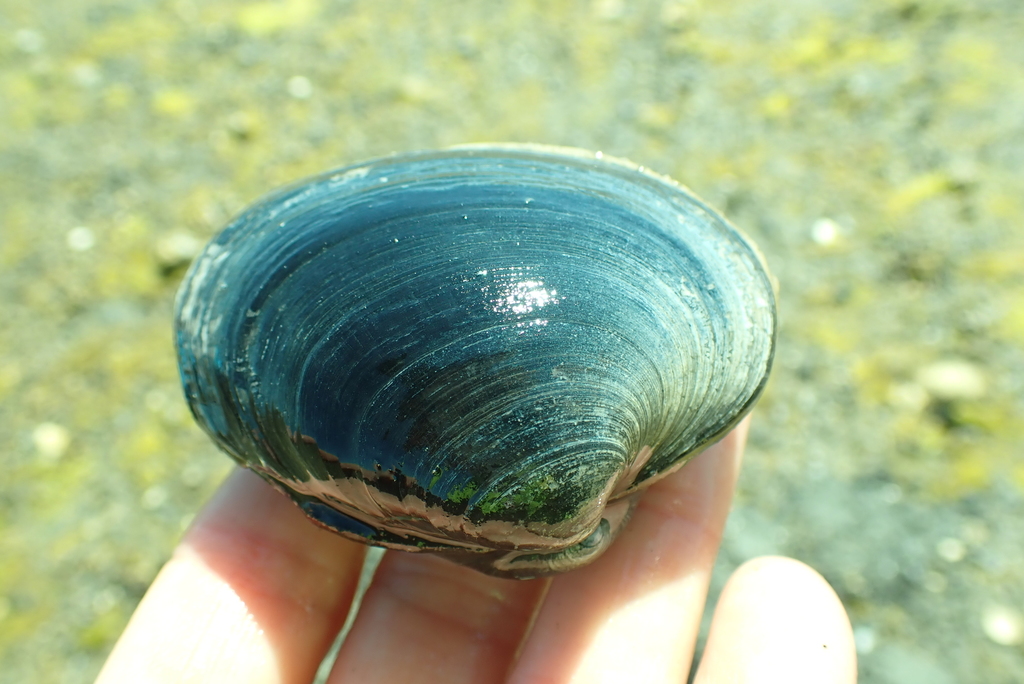
Butter Clam
Saxidomus giganteaAlso known as Washington Clam, Smooth Washington Clam, Money Shell
Heavy, thick-shelled bivalves anchor themselves up to 30 centimeters deep in gravelly intertidal mud along North America's Pacific coastline. Filter feeding through long paired siphons, they extract microscopic algae while anchoring firmly against strong ocean currents. Indigenous coastal communities have relied on these abundant mollusks for thousands of years, leaving vast shell middens that record centuries of marine stewardship.
MarineBivalveIntertidal
—observations
—countries
—peak records
Not EvaluatedConservation statusIUCN Red List categoriesLCNTVUENCREWEXNot Evaluated — not placed on the risk ladderRed List categories, explained →
Diet & prey
- Phytoplankton
- Microscopic Algae
- Organic Detritus
Predators
- Sea Otters
- Dungeness Crabs
- Sunflower Sea Stars
ThreatsOcean acidification, habitat degradation, coastal pollution
HabitatsIntertidal and subtidal beaches with sand, gravel, and mud
Life span20–20+ years
Classification
- FamilyVeneridae
- SpeciesSaxidomus gigantea
Range data is not available yet.
Interaction riskHigh
- Low
- Moderate
- High
- Very high
- Why interaction risk is high
- Can store lethal saxitoxins from algal blooms; check local biotoxin advisories before harvesting.
- Why it is dangerous
- Accumulates potent saxitoxins during harmful algal blooms, causing Paralytic Shellfish Poisoning which attacks human nerve function.
- How to recognize a risky encounter
- Recognized by a thick, heavy, oval shell up to 15 cm long with prominent concentric ridges and no radial lines.
- What to do
- Always consult local public health harvesting closures, and avoid collecting wild shellfish during red tide events.
Responsible observation
- Harvesting Safety: Always verify local marine biotoxin hotlines and beach closure status before collecting.
- Spotting Siphons: Look for double keyhole-shaped depressions in wet sand near the low-tide margin.
- Ecological Care: Refill any holes dug in mudflats to protect soft-bodied intertidal creatures from exposure.
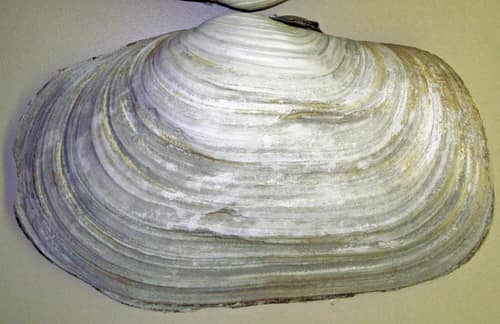
Co-Occurring Bivalve (c) James St. John, some rights reserved (CC BY) · cc-by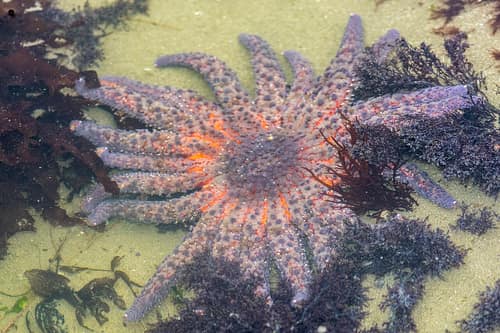
Predator Jerry Kirkhart from Los Osos, Calif. / CC BY 2.0 · cc-by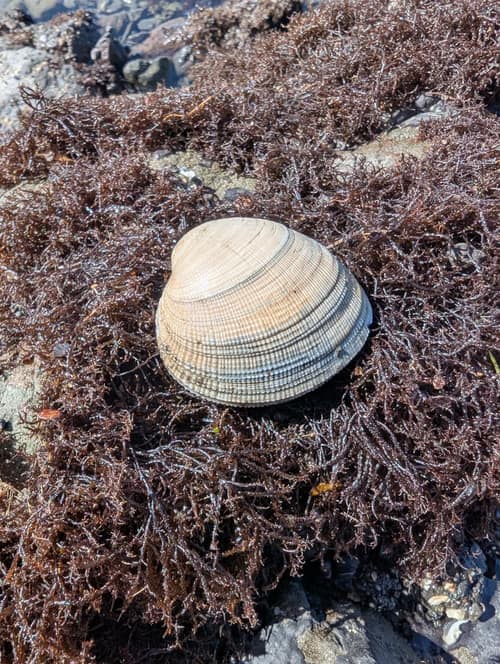
Close Relative (c) Daughter Dad, some rights reserved (CC BY) · cc-by
Help improve the field guideSomething wrong?
Checking your Fauna account…Report a name, category, or profile issue for review.