
Invertebrate · GBIF taxon 5189532
Pacific Geoduck
Panopea generosaAlso known as Geoduck Clam, King Clam, Mud Duck
Pacific geoducks are massive burrowing bivalves native to the coastal waters of the eastern North Pacific, famed for their long siphons that can extend up to a meter in length. Embedded deep within sandy or muddy sediment, individuals remain anchored in a single spot for over a century while filter feeding on phytoplankton. Their thick shells cannot fully enclose the oversized fleshy mantle, making them one of the largest burrowing clams in the world.
MarineDeep BurrowerLong-Lived
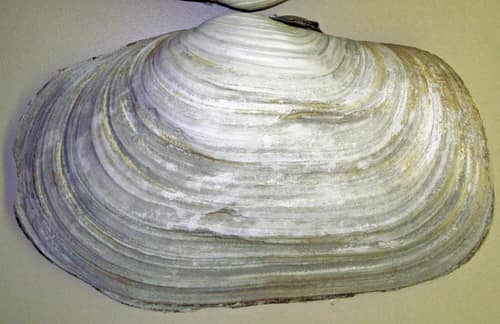
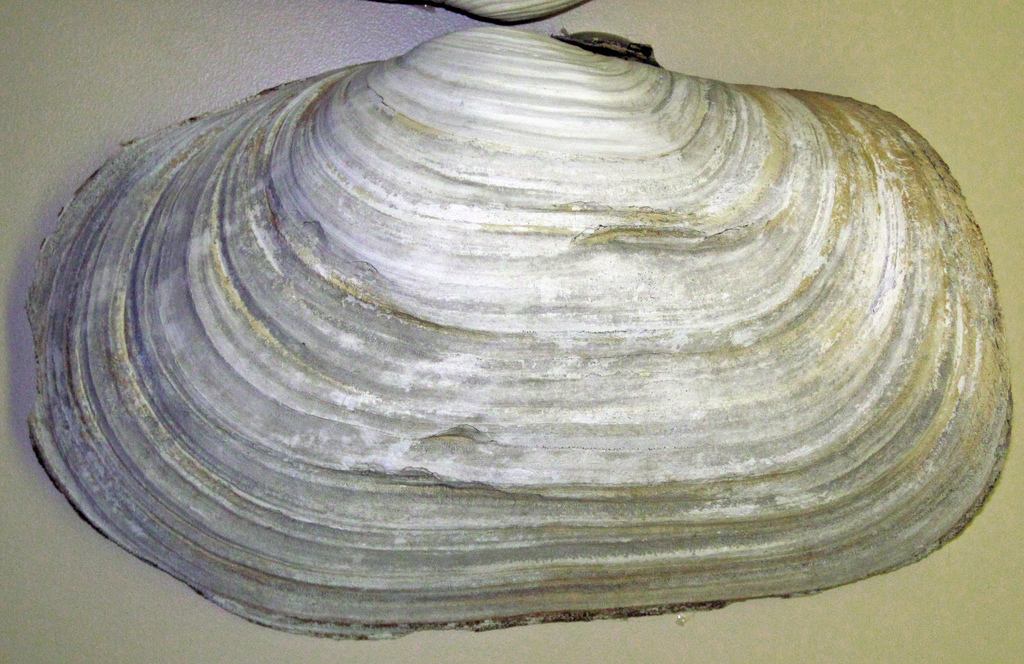
—observations
—countries
—peak records
Not EvaluatedConservation statusIUCN Red List categoriesLCNTVUENCREWEXNot Evaluated — not placed on the risk ladderRed List categories, explained →
Diet & prey
- Phytoplankton
- Microalgae
- Organic Detritus
Predators
- Sunflower Sea Stars
- Sea Otters
- Humans
ThreatsOverharvesting, ocean acidification, coastal pollution, habitat disturbance
HabitatsIntertidal and subtidal sandy or muddy marine sediments
Life span100–160 years
Classification
- FamilyHiatellidae
- SpeciesPanopea generosa
Range data is not available yet.
Interaction riskLow
- Low
- Moderate
- High
- Very high
- Why interaction risk is low
- Safe to observe at a normal distance.
Responsible observation
- Subtidal Spotting: Look for paired siphon tips flush with sandy or muddy sediment during low tide.
- Leave Intact: Avoid pulling on extended siphons, as this damages delicate feeding tissue.
- Observe Tide Flats: Visit low intertidal mudflats in late spring or summer during extreme low tides.
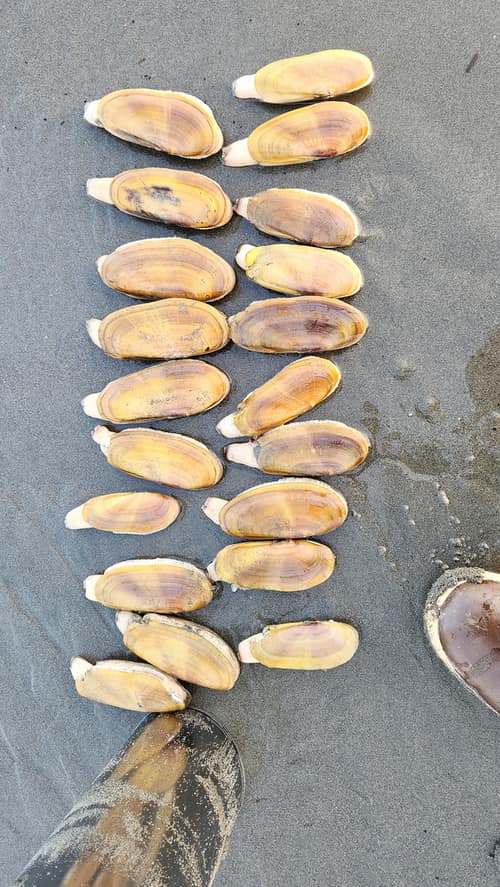
Co-Occurring Clam (c) Casey H. Richart, some rights reserved (CC BY) · cc-by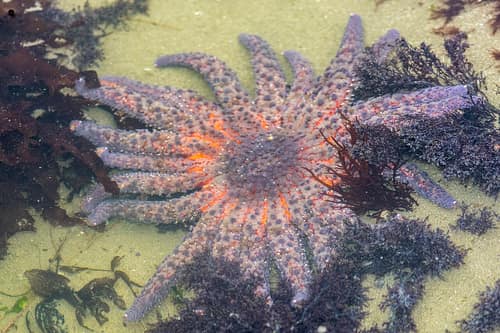
Predator Jerry Kirkhart from Los Osos, Calif. / CC BY 2.0 · cc-by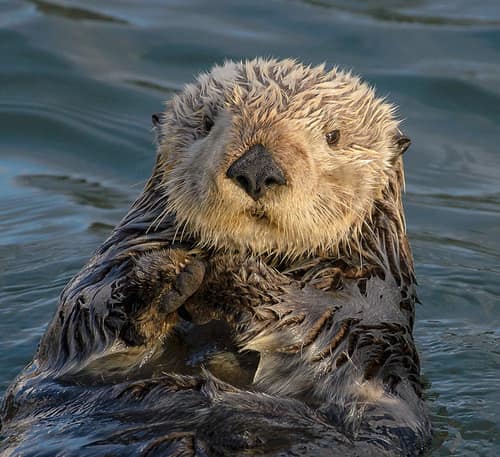
Predator Marshal Hedin from San Diego / CC BY-SA 2.0 · cc-by-sa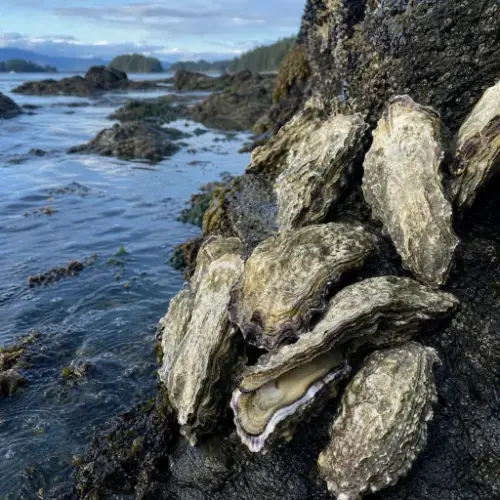
Co-Occurring Bivalve Unknown / CC-BY · cc-by
Help improve the field guideSomething wrong?
Checking your Fauna account…Report a name, category, or profile issue for review.