
Invertebrate · GBIF taxon 2287668
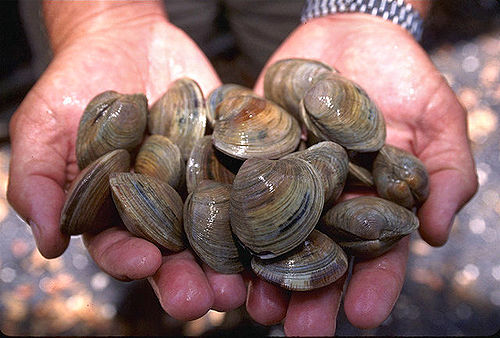
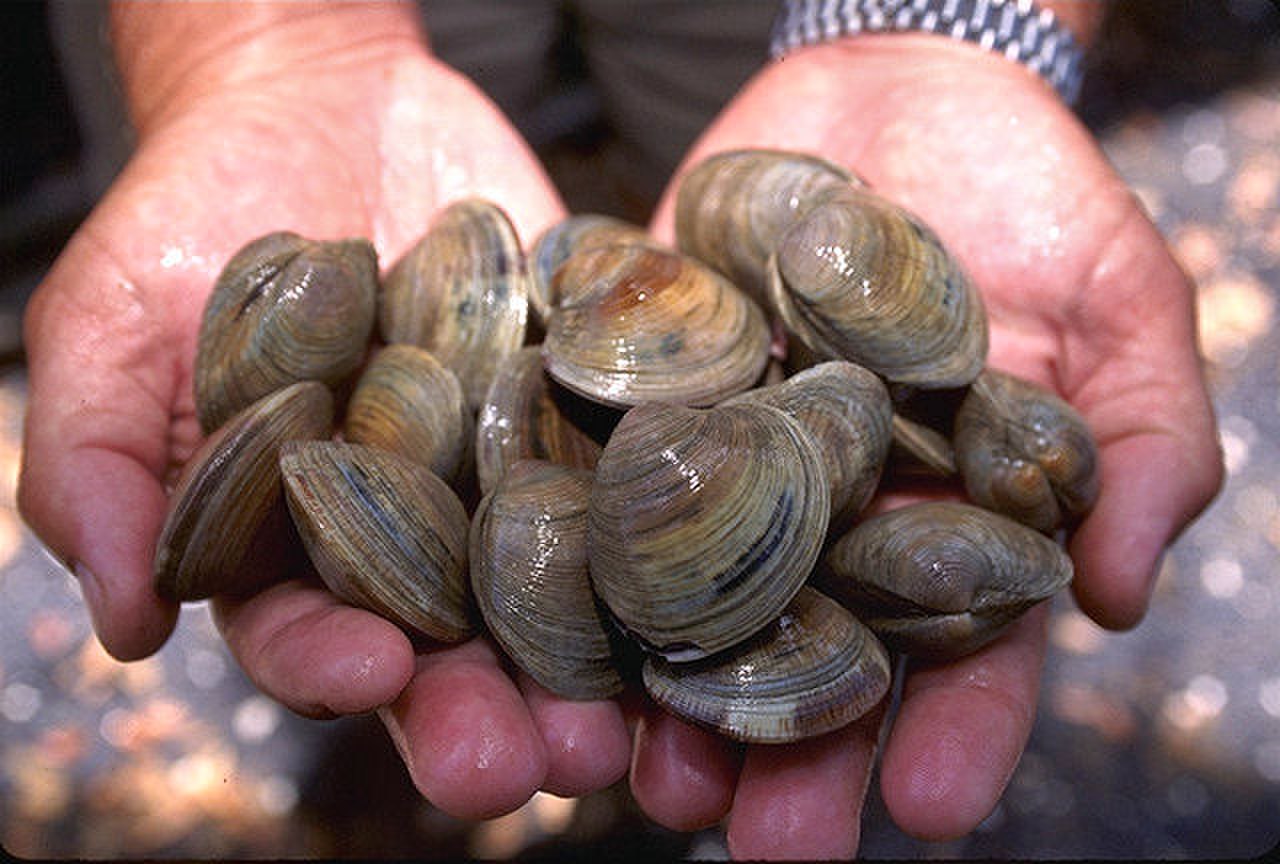
Northern Quahog
Mercenaria mercenariaAlso known as Hard Clam, Round Clam, Hard-Shell Clam, Quahog
Northern quahogs burrow shallowly into muddy Atlantic estuaries, extending dual siphons to filter plankton from coastal currents. Native Americans historically harvested their thick, grey shells to carve wampum beads from the rich purple interior marks. Capable of surviving for decades in tidal mudflats, these hardy mollusks play a vital ecological role by clarifying water and stabilizing seafloor sediment.
BivalveMarineFilter Feeder
—observations
—countries
—peak records
Not EvaluatedConservation statusIUCN Red List categoriesLCNTVUENCREWEXNot Evaluated — not placed on the risk ladderRed List categories, explained →
Diet & prey
- Phytoplankton
- Microalgae
- Detritus
Predators
- Common Starfish
- Blue Crab
- Herring Gull
ThreatsOcean acidification, coastal pollution, habitat destruction, overharvesting
HabitatsIntertidal and subtidal mudflats, sand flats, and estuarine bays
Life spanUp to 40 years
Classification
- FamilyVeneridae
- SpeciesMercenaria mercenaria
Range data is not available yet.
Interaction riskLow
- Low
- Moderate
- High
- Very high
- Why interaction risk is low
- Safe to observe at a normal distance.
Responsible observation
- Spotting Siphons: Watch for small paired keyhole-shaped openings in muddy sand during low tide.
- Reading Shells: Examine washed-up valves on beaches to view the deep purple wampum scar inside.
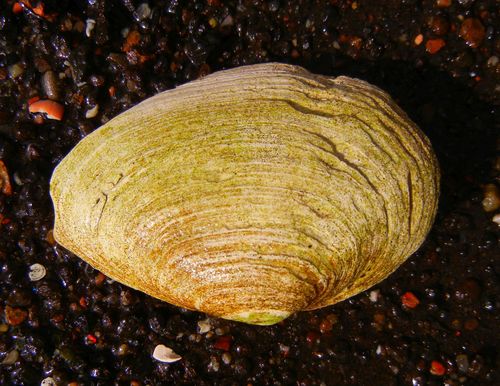
Frequent Companion (c) Jon Mortin, some rights reserved (CC BY), uploaded by Jon Mortin · cc-by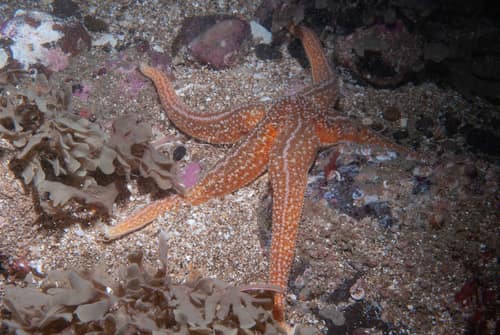
Predator (c) Bernard Picton, some rights reserved (CC BY), uploaded by Bernard Picton · cc-by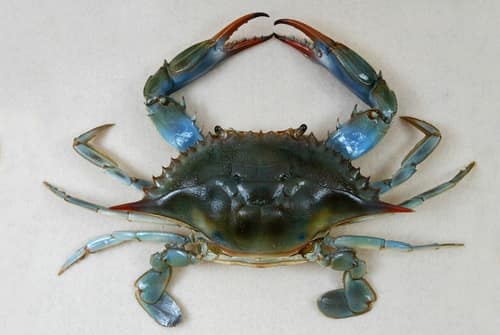
Predator Wikimedia Commons / CC BY-SA 3.0 · cc-by-sa Image unavailable
Close Relative
Help improve the field guideSomething wrong?
Checking your Fauna account…Report a name, category, or profile issue for review.