
Invertebrate · GBIF taxon 2285680
California Mussel
Mytilus californianusAlso known as Pacific Mussel, California Sea Mussel
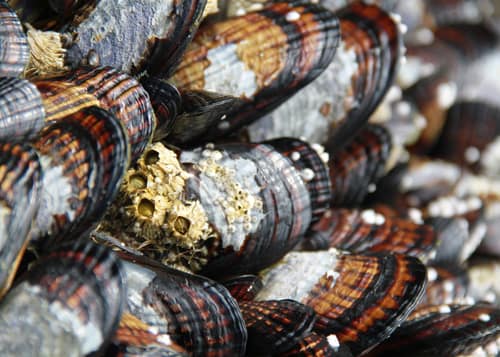
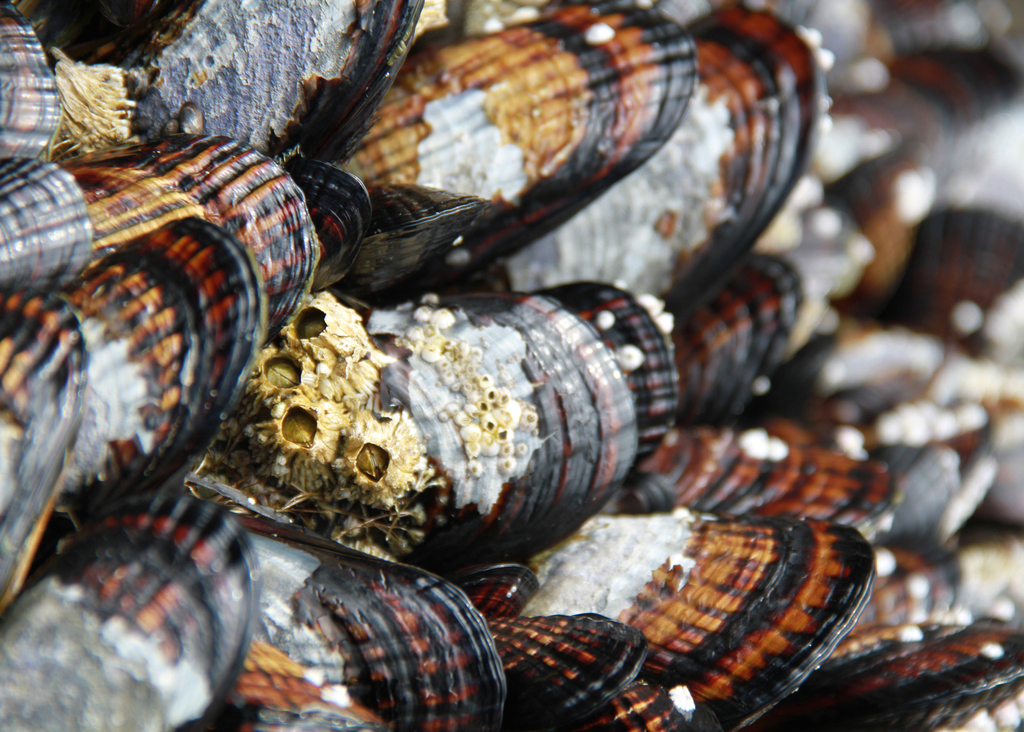
California mussels carpet wave-swept rocky intertidal shores along the Pacific coast, binding tightly to stone with exceptionally strong byssal threads. They function as critical ecosystem engineers, building dense, multi-layered beds that shelter hundreds of species of small marine invertebrates and algae. Filter feeding continuously when submerged, a single adult pumps liters of seawater every hour to extract microscopic plankton and organic particles.
IntertidalFilter FeederShellfish
 1 / 7
1 / 7—observations
—countries
—peak records
Not EvaluatedConservation statusIUCN Red List categoriesLCNTVUENCREWEXNot Evaluated — not placed on the risk ladderRed List categories, explained →
Diet & prey
- Phytoplankton
- Zooplankton
- Organic detritus
Predators
- Ochre Sea Star
- Sea Otter
- Glaucous-winged Gull
ThreatsOcean acidification, marine heatwaves, coastal pollution
HabitatsRocky ocean intertidal zones exposed to wave action
Life span10–20 years
Classification
- OrderMytilida
- FamilyMytilidae
- GenusMytilus
- SpeciesMytilus californianus
Range data is not available yet.
Interaction riskHigh
- Low
- Moderate
- High
- Very high
- Why interaction risk is high
- Wild harvest can cause fatal paralytic shellfish poisoning during algal blooms; check local advisories before collecting.
- Why it is dangerous
- Filter feeding concentrates deadly saxitoxins from harmful algal blooms, causing severe paralytic shellfish poisoning if eaten.
- How to recognize a risky encounter
- Recognized by thick, heavy blue-black shells with strong radial ribs, often covered in barnacles.
- What to do
- Never harvest or consume wild mussels during summer quarantine periods or without verifying water safety.
Responsible observation
- Tidepool etiquette: Tread carefully on rocky shores to avoid crushing mussel beds and attached life.
- Harvest safety: Always consult state health advisories for shellfish quarantines before collecting wild shellfish.
- Shore safety: Keep an eye on ocean swells, as the wave-battered rocks they inhabit pose slip and wave hazards.
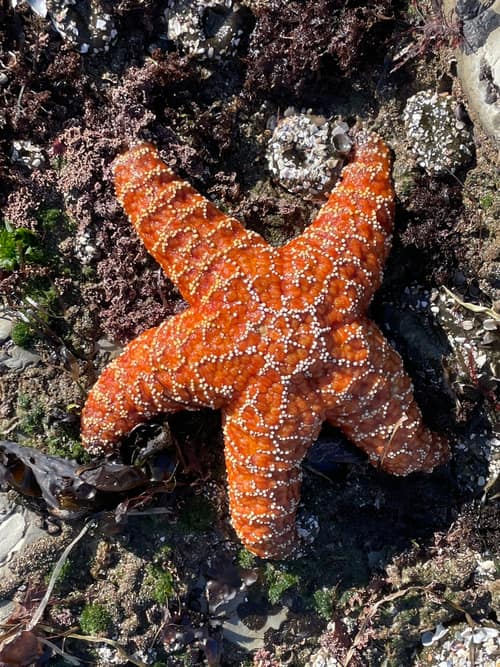
Primary Predator no rights reserved · cc0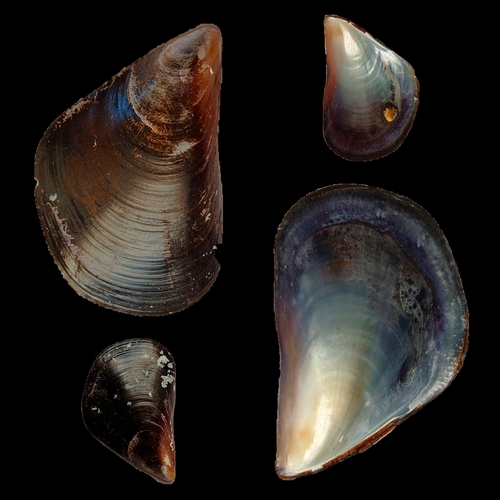
Competitor (c) Fotios Christodoulou, some rights reserved (CC BY) · cc-by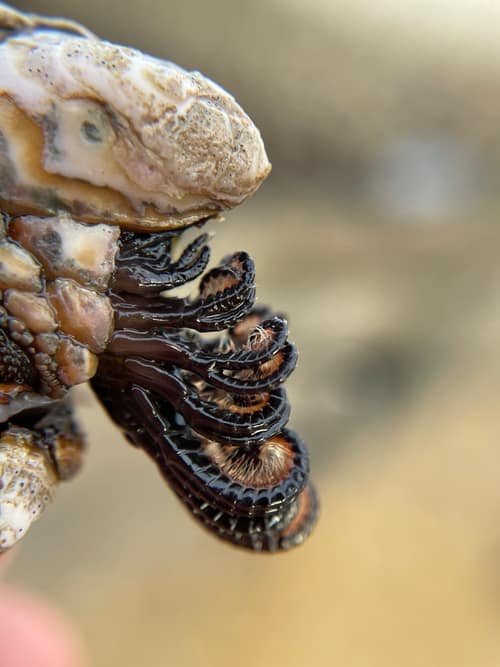
Frequent Companion (c) Matt Berger, some rights reserved (CC BY), uploaded by Matt Berger · cc-by
Close Relative (c) Lee Cain, some rights reserved (CC BY) · cc-by
Help improve the field guideSomething wrong?
Checking your Fauna account…Report a name, category, or profile issue for review.