Strongyloides stercoralis possesses a remarkable life cycle capable of alternating between free-living soil generations and parasitic stages within a host. Microscopic infectious larvae penetrate intact host skin directly from damp ground, migrating via the bloodstream and lungs into the small intestine where parthenogenetic females reproduce. Due to an uncommon autoinfection cycle where newly hatched larvae reinfect the host internally, untreated infections can quietly persist inside an individual for decades.
HabitatsWarm, moist tropical and subtropical soil; small intestine of humans and canines
Life spanFree-living: several days; parasitic autoinfection: up to several decades
Classification
FamilyStrongyloididae
SpeciesStrongyloides stercoralis
Range & activity
Range data is not available yet.
Safe observation
Interaction riskModerate
Low
Moderate
High
Very high
Why interaction risk is moderate
Infectious parasite that penetrates skin; avoid contact with contaminated soil and untreated wastewater.
Why it is dangerous
Infectious larvae penetrate skin to cause strongyloidiasis, which can trigger life-threatening hyperinfection syndrome and systemic organ failure in immunocompromised people.
How to recognize a risky encounter
Organisms are microscopic and invisible in soil, requiring specialized clinical stool culture or serology to detect.
What to do
Never walk barefoot on damp soil in endemic zones, and practice rigorous hand hygiene after contact with soil or animal waste.
Responsible observation
Protective Footwear: Wear closed-toe shoes on moist soil in endemic areas to prevent larvae from penetrating bare skin.
Soil Hygiene: Wash hands thoroughly after gardening or handling soil in tropical and subtropical regions.

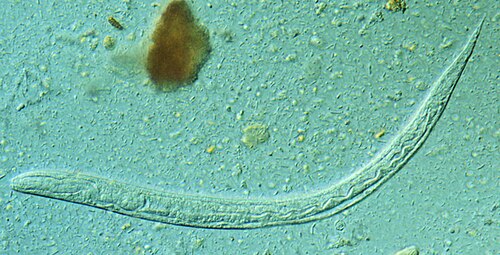
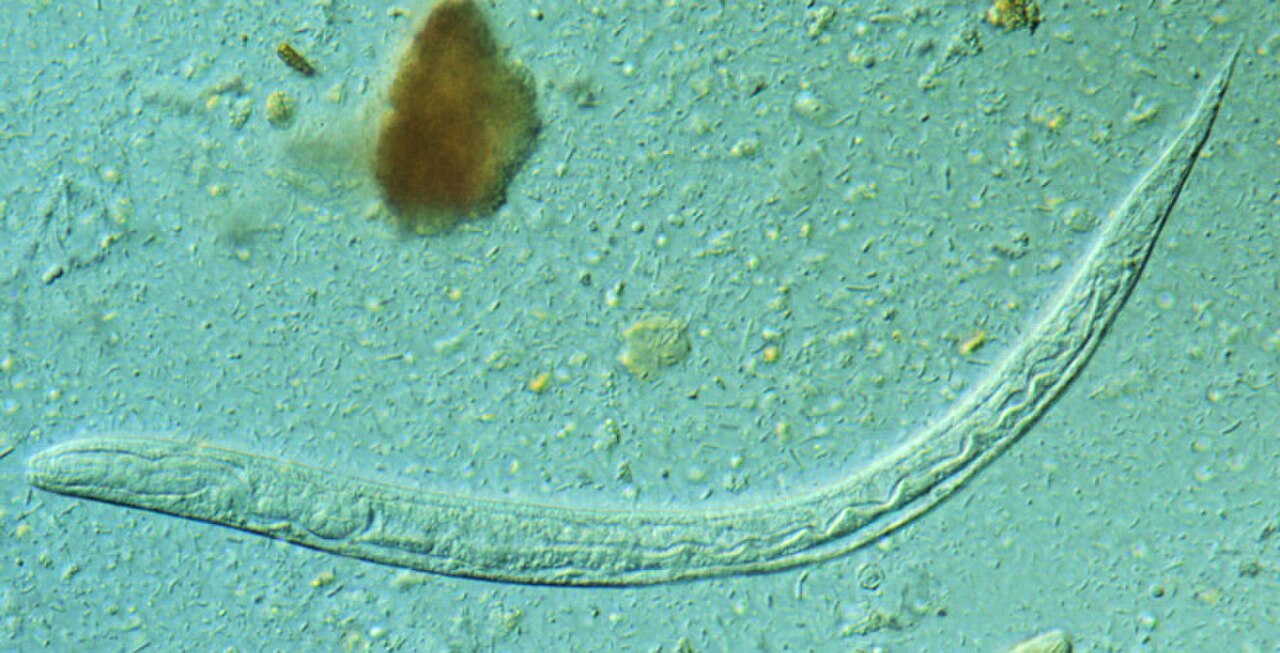
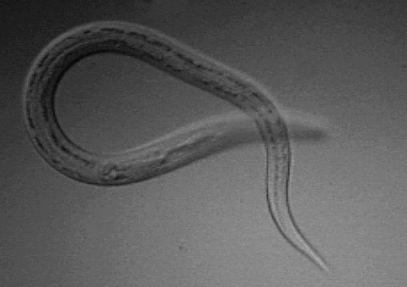
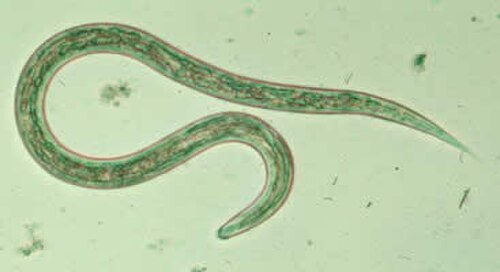
 Image unavailable