
Invertebrate
Golden Sandfish
Holothuria scabraAlso known as Sandfish, Bêche-de-mer
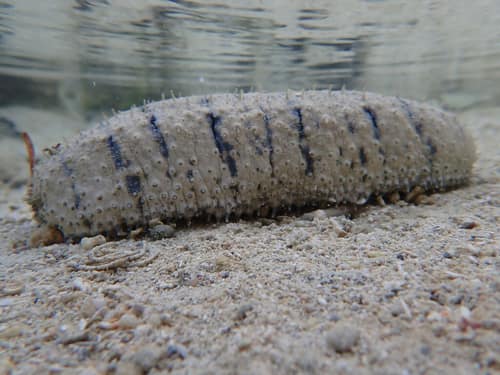
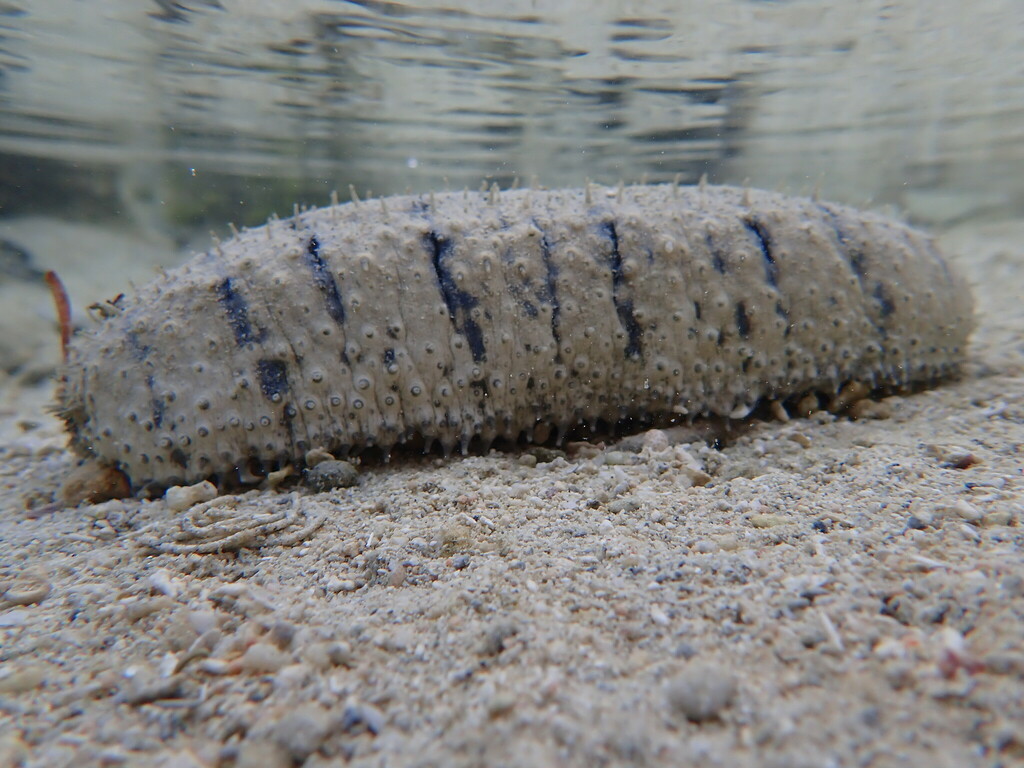
Golden sandfish spend their days plowing through shallow tropical sediments, ingesting silt to digest microalgae and detritus while leaving behind clean, oxygenated sand. They follow a synchronized daily routine of burrowing into the sediment in the morning and emerging in the afternoon to feed and broadcast spawn. Driven by intense commercial demand in the luxury bêche-de-mer market, wild populations across the Indo-Pacific have suffered catastrophic declines.
MarineInvertebrateBenthic
—observations
—countries
—peak records
EndangeredConservation statusIUCN Red List categoriesLCNTVUENCREWEXEndangeredRed List categories, explained →
Diet & preyBenthic diatoms, Organic detritus, Marine bacteria
Predators
- Giant triton snail
- Loggerhead sea turtle
- Blue swimming crab
ThreatsIntense overharvesting for the seafood trade, habitat loss, and coastal pollution
HabitatsShallow coastal lagoons, seagrass meadows, and muddy sand flats
Life span10–15 years
Classification
- FamilyHolothuriidae
- SpeciesHolothuria scabra
Range data is not available yet.
Interaction riskLow
- Low
- Moderate
- High
- Very high
- Why interaction risk is low
- Safe to observe at a normal distance.
- What to notice
- Recognizable by its thick, loaf-like grey or black upper body with dark transverse wrinkles, speckled white underside, and a light dusting of sand.
- Support conservation
- Leave wild individuals completely undisturbed in their sediment beds and report suspected illegal harvesting within marine sanctuaries.
Responsible observation
- Tread carefully: Watch your footing in shallow seagrass beds to avoid crushing burrowed individuals.
- Do not touch: Handling induces extreme stress, causing the animal to expel internal organs or toxins.
- Support protection: Avoid purchasing dried wild bêche-de-mer to help combat illegal harvesting.
 Image unavailable
Same Genus Same Genus 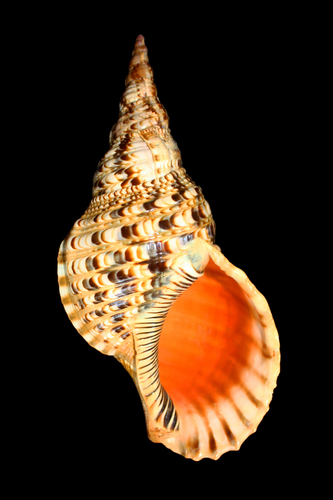
Predator (c) AntanO, some rights reserved (CC BY-SA) · cc-by-saSame Family
Help improve the field guideSomething wrong?
Checking your Fauna account…Report a name, category, or profile issue for review.