
Invertebrate · GBIF taxon 2279084
Eccentric Sand Dollar
Dendraster excentricusAlso known as Western Sand Dollar, Pacific Sand Dollar, Sea-Cake, Biscuit-Urchin
Eccentric sand dollars form dense underwater beds where thousands of individuals stand vertically on edge, orienting themselves into prevailing currents to catch suspended food. Microscopic cilia and tube feet work in unison to convey captured diatoms and organic detritus along branching food grooves toward the off-center mouth. Living individuals display a velvety coat of tiny purple, brown, or grey spines, appearing distinctly different from the smooth, bleached white tests that wash ashore after death.
MarineInvertebrateFilter Feeder
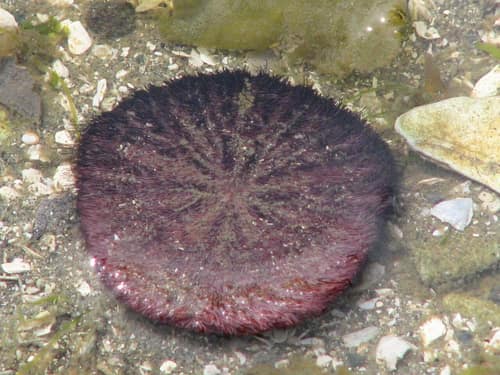
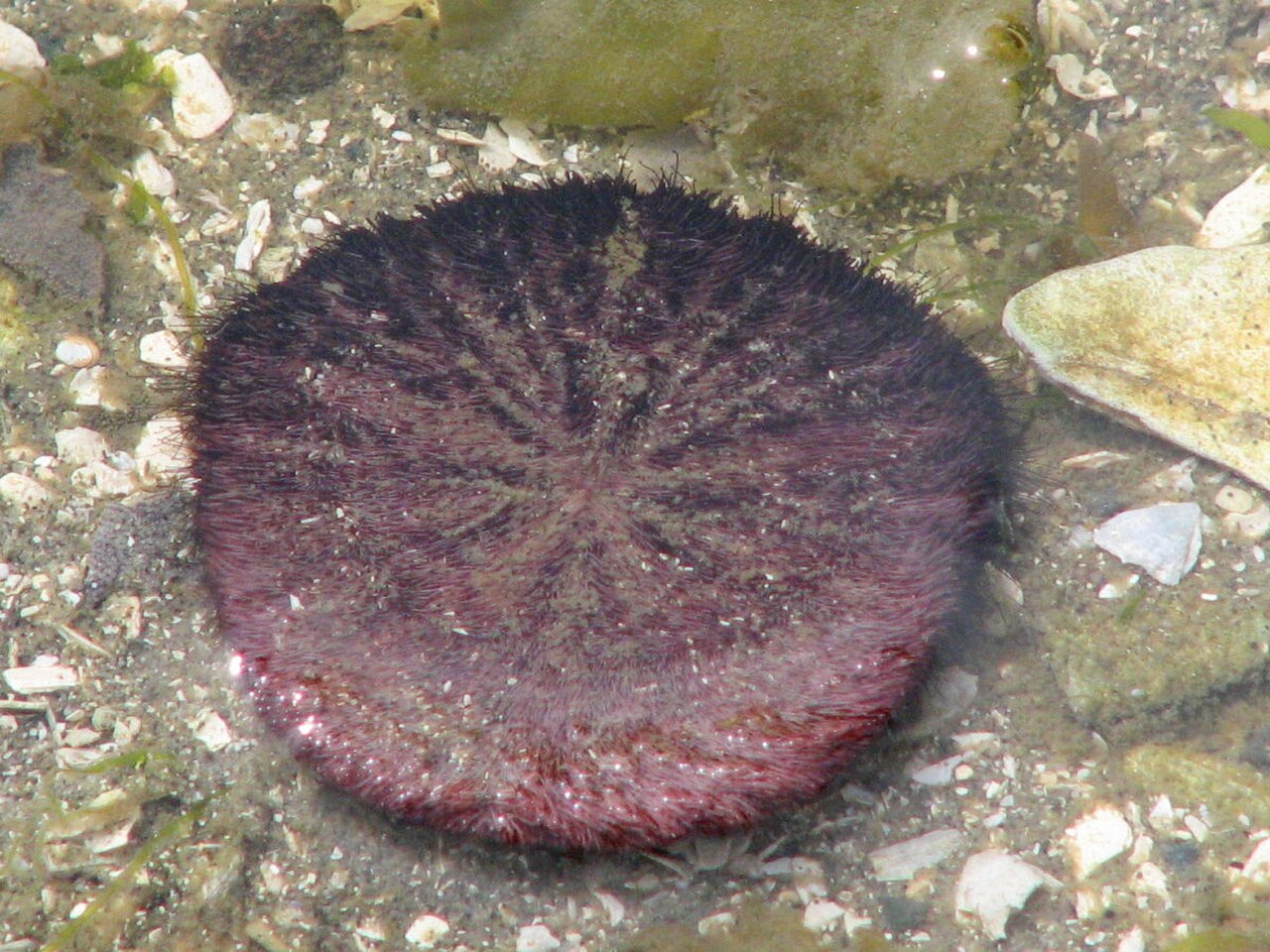
Licensed referenceD. Gordon E. Robertson / CC BY-SA 3.0 · cc-by-sa
—observations
—countries
—peak records
Not EvaluatedConservation statusIUCN Red List categoriesLCNTVUENCREWEXNot Evaluated — not placed on the risk ladderRed List categories, explained →
Diet & prey
- Diatoms
- Phytoplankton
- Organic detritus
Predators
- Spiny Pink Star
- Starry Flounder
- Glaucous-Winged Gull
ThreatsSevere storm surf, bottom trawling, and coastal habitat degradation
HabitatsSandy bays, tidal flats, and shallow subtidal coastal waters
Life span6–13 years
Size / weightNot available
Classification
- FamilyDendrasteridae
- SpeciesDendraster excentricus
Range data is not available yet.
Interaction riskLow
- Low
- Moderate
- High
- Very high
- Why interaction risk is low
- Safe to observe at a normal distance.
Responsible observation
- Observation Stance: Look for colonies at very low tides standing partially buried on edge in wet sand bars.
- Beachcombing Ethics: Leave live individuals with fuzzy, dark spines in the water, collecting only bare white tests.

Predator (c) Jerry Kirkhart, some rights reserved (CC BY) · cc-by Image unavailable
Predator 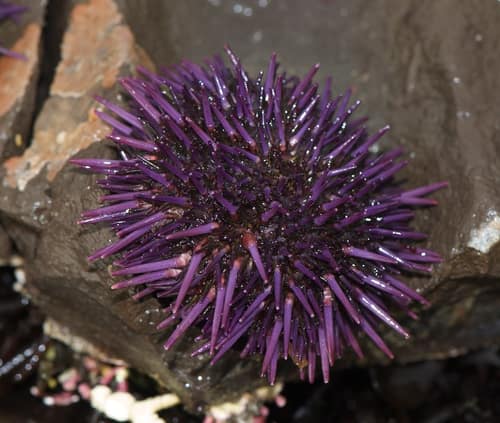
Same Class (c) Jerry Kirkhart, some rights reserved (CC BY) · cc-by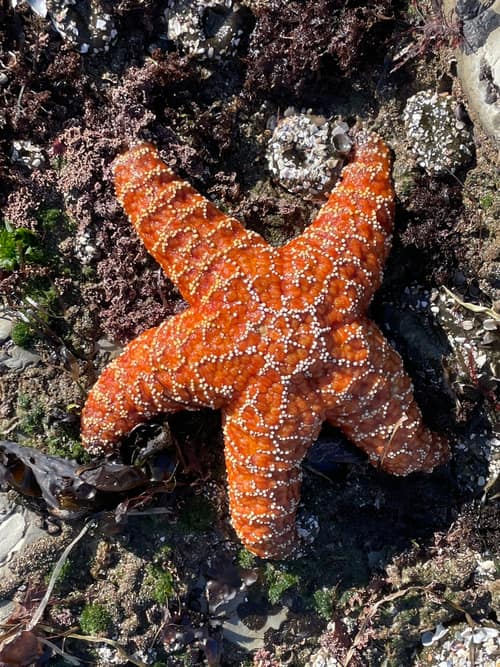
Neighbor no rights reserved · cc0
Help improve the field guideSomething wrong?
Checking your Fauna account…Report a name, category, or profile issue for review.