
Invertebrate · GBIF taxon 2279041
Common Sand Dollar
Echinarachnius parmaAlso known as Northern Sand Dollar
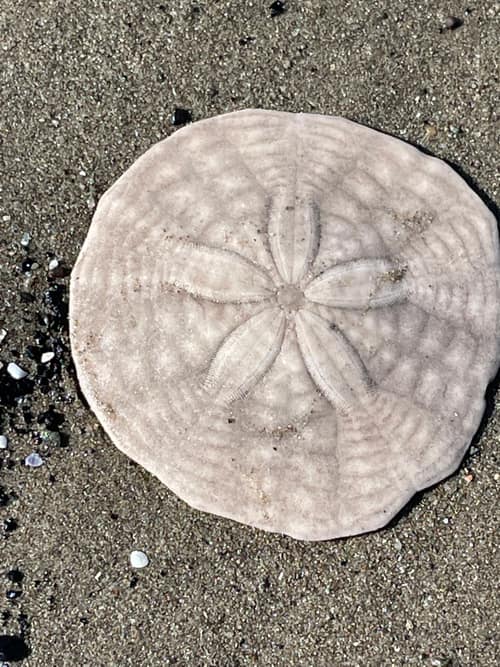
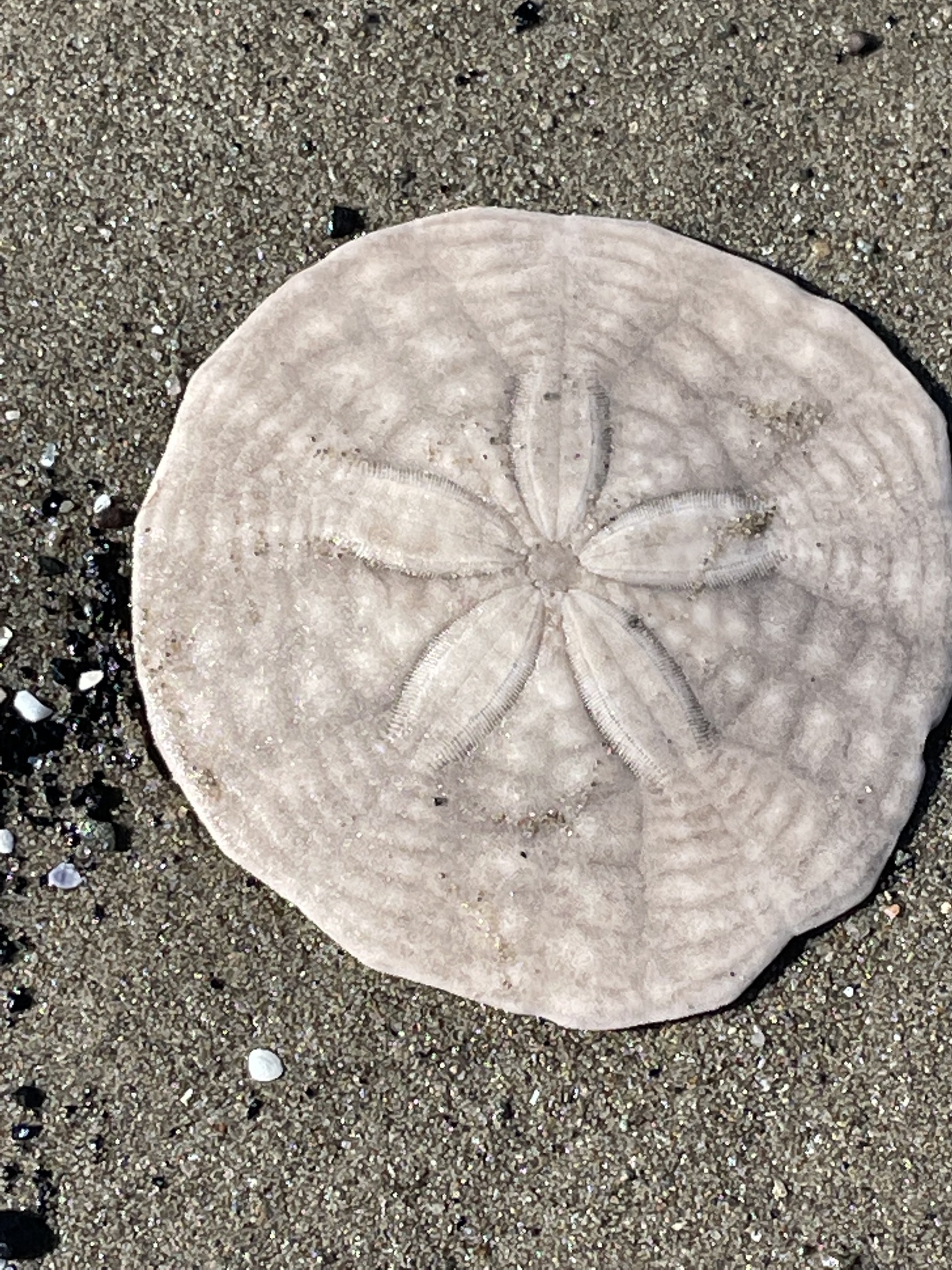
Common sand dollars carpet sandy benthic substrates across temperate and subarctic coastlines, shallowly burrowing beneath loose sediment using thousands of tiny, coordinated spines. Dense fields of microscopic cilia guide captured detritus, diatoms, and tiny plankton along specialized branching grooves into a central mouth on the underside. In strong surf or tidal currents, juveniles often swallow mineral sand grains to serve as internal ballast and anchor themselves in the seafloor.
MarineInvertebrateBenthic
—observations
—countries
—peak records
Not EvaluatedConservation statusIUCN Red List categoriesLCNTVUENCREWEXNot Evaluated — not placed on the risk ladderRed List categories, explained →
Diet & prey
- Diatoms
- Organic Detritus
- Microscopic Algae
Predators
- Atlantic Cod
- Winter Flounder
- Forbes' Sea Star
ThreatsBottom trawling, dredging, coastal pollution, and ocean acidification
HabitatsSandy ocean bottoms, subtidal flats, and shallow continental shelves
Life span6–10 years
Size / weightNot available
Classification
- FamilyEchinarachniidae
- SpeciesEchinarachnius parma
Range data is not available yet.
Interaction riskLow
- Low
- Moderate
- High
- Very high
- Why interaction risk is low
- Safe to observe at a normal distance.
Responsible observation
- Beachcombing Etiquette: Only collect bare, chalky-white skeletons, gently returning dark, velvety live animals to the water.
- Field Identification: Look for distinctive five-petaled flower patterns on the dorsal surface of washed-up tests.
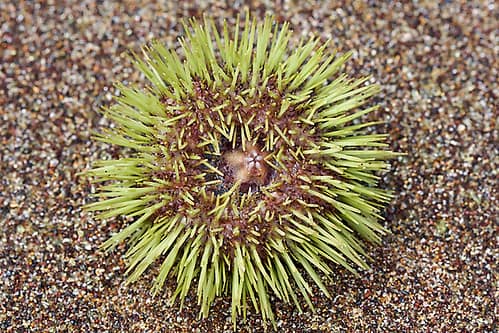
Same Class "Green sea urchin" by lightmatter is licensed under CC BY 2.0. To view a copy of this license, visit https://creativecommons.org/licenses/by/2.0/. · cc-by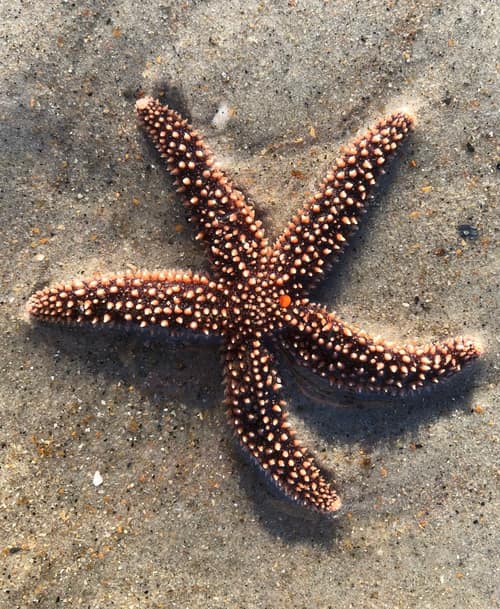
Predator (c) ecovore, some rights reserved (CC BY) · cc-by Image unavailable
Predator 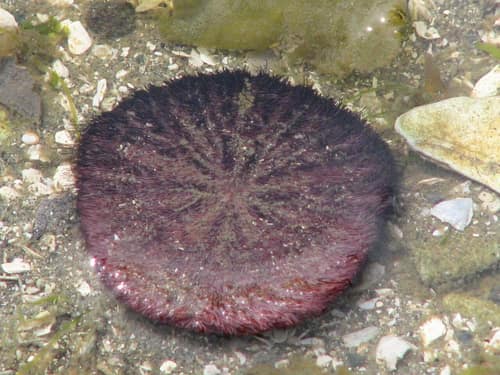
Close Relative D. Gordon E. Robertson / CC BY-SA 3.0 · cc-by-sa
Help improve the field guideSomething wrong?
Checking your Fauna account…Report a name, category, or profile issue for review.