
Blue Blubber Jelly
Catostylus mosaicusAlso known as Jelly Blubber, Blubber Jellyfish
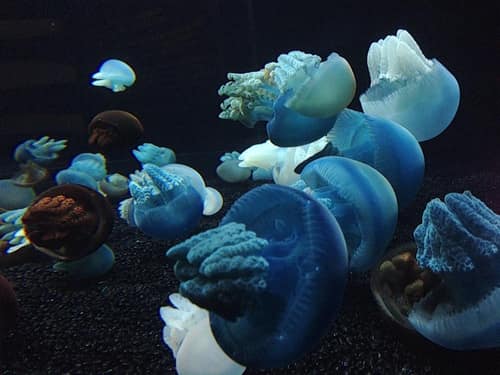
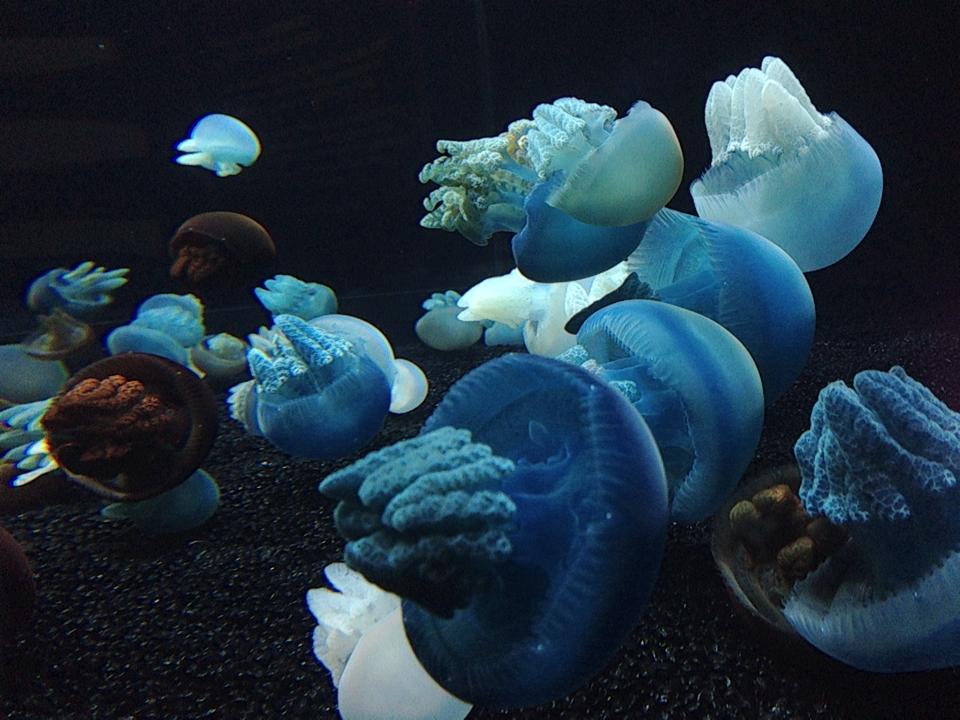
Unlike typical jellyfish, blue blubbers lack long stinging tentacles along the margin, relying instead on eight thick, ruffled oral arms to trap microscopic plankton. Their coloration varies strikingly by latitude: southern Australian populations often gleam vivid blue or purple, while warmer northern individuals appear creamy white to earthy brown from photosynthetic algae hosted in their tissues. Vast blooms congregate in sunlit estuaries on calm summer days, rhythmically pulsing toward the surface to maximize sunlight for their algal partners.
- Leatherback Sea Turtle
- Green Sea Turtle
- Ocean Sunfish
- OrderRhizostomeae
- FamilyCatostylidae
- GenusCatostylus
- SpeciesCatostylus mosaicus
- Low
- Moderate
- High
- Very high
- Why interaction risk is very high
- Stings are typically harmless to humans; safe to observe at a normal distance.
- Surface Spotting: Scan calm estuarine water during summer slack tides to spot aggregations pulsing near the surface.
- Water Etiquette: Snorkel alongside without touching to enjoy observing their rapid rhythmic propulsion safely.
- Handling Precaution: Avoid direct handling, as contact with broken tissue can irritate sensitive skin and eyes.
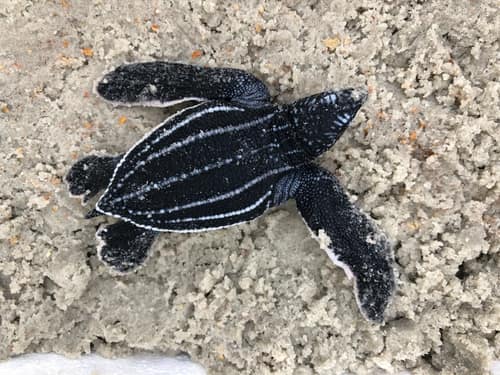
Predator (c) Pam Kleinsasser, some rights reserved (CC BY), uploaded by Pam Kleinsasser · cc-by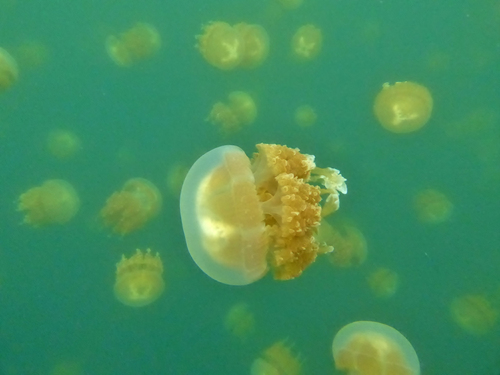
Order Companion (c) Thibaud Aronson, some rights reserved (CC BY-SA), uploaded by Thibaud Aronson · cc-by-sa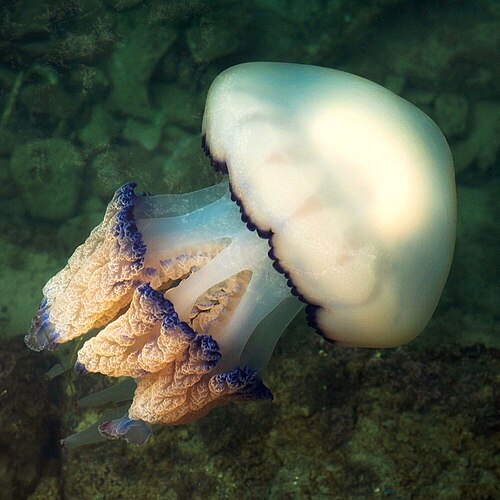
Order Companion Ales Kladnik from Ljubljana, Slovenia / CC BY 2.0 · cc-by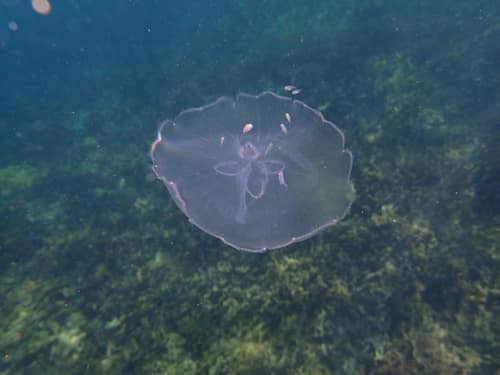
Ecological Neighbor (c) A H, some rights reserved (CC BY), uploaded by A H · cc-by
Found in Collections
Ocean Creatures
Blue Blubber Jelly is found in this collection. Identify it in Fauna to fill this slot and continue your progress.
Unlock to track progress
Report a name, category, or profile issue for review.