
Invertebrate · GBIF taxon 2264442
Common Moon Jelly
Aurelia auritaAlso known as Moon Jellyfish, Saucer Jelly, Common Jellyfish
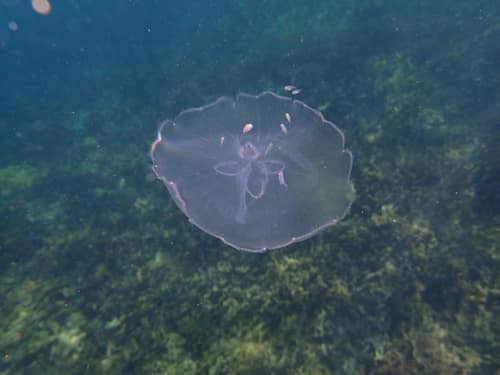
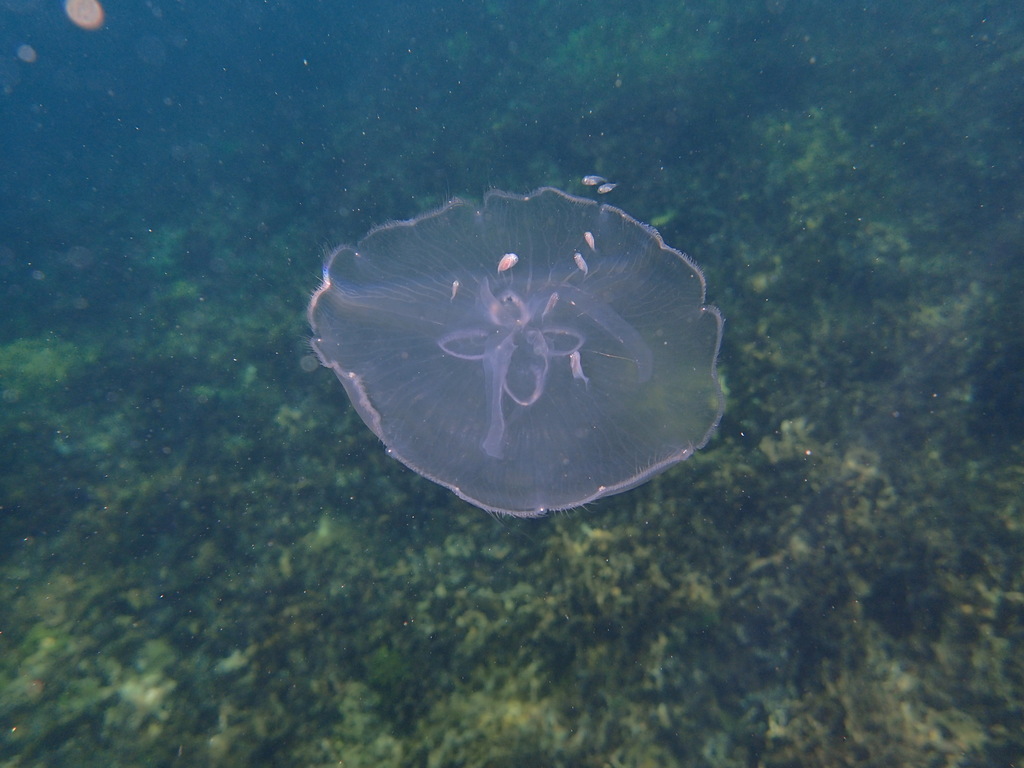
Moon jellies drift gracefully through temperate coastal waters, propelling themselves with rhythmic pulsing of their saucer-shaped translucent bells. Four distinctive violet or pink horseshoe-shaped gonads visible through the translucent bell reveal their reproductive maturity to observers from above. Although drifting largely with ocean currents, tiny stinging tentacles fringe the bell edge to sweep up zooplankton.
TranslucentCoastalPelagic
—observations
—countries
—peak records
Not EvaluatedConservation statusIUCN Red List categoriesLCNTVUENCREWEXNot Evaluated — not placed on the risk ladderRed List categories, explained →
Diet & prey
- Copepods
- Fish Eggs
- Planktonic Larvae
Predators
- Leatherback Sea Turtle
- Ocean Sunfish
- Fried Egg Jellyfish
ThreatsPlastic pollution, ocean acidification, marine heatwaves
HabitatsCoastal ocean waters, estuaries, bays, and harbors
Life span6–12 months (medusa stage)
Size / weightNot available
Classification
- OrderSemaeostomeae
- FamilyUlmaridae
- GenusAurelia
- SpeciesAurelia aurita
Range data is not available yet.
Interaction riskLow
- Low
- Moderate
- High
- Very high
- Why interaction risk is low
- Safe to observe at a normal distance.
Responsible observation
- Field ID: Look for translucent disc-shaped bodies featuring four pink or purple horseshoe rings near the center.
- Bloom Season: Watch for large aggregations drifting in warm coastal bays during late summer and autumn.
- Handling Caution: Stings are harmless to human skin, but avoid rubbing eyes after touching stranded individuals.
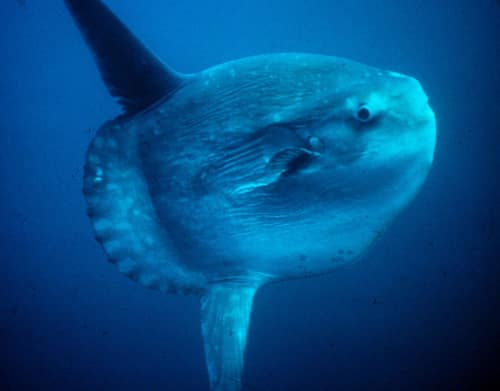
Predator U.S. National Oceanic and Atmospheric Administration / Public domain · cc0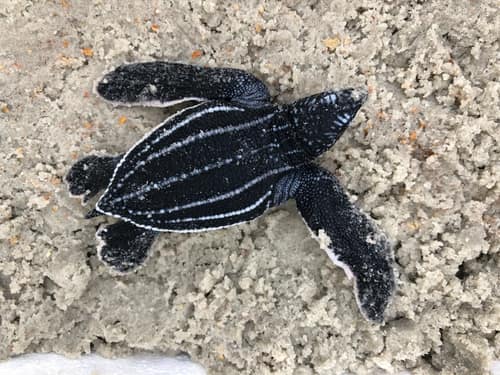
Predator (c) Pam Kleinsasser, some rights reserved (CC BY), uploaded by Pam Kleinsasser · cc-by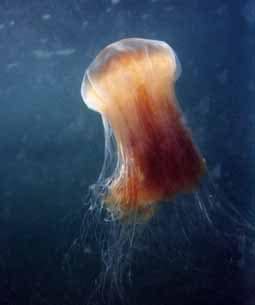
Competitor Wikimedia Commons / CC BY-SA 3.0 · cc-by-sa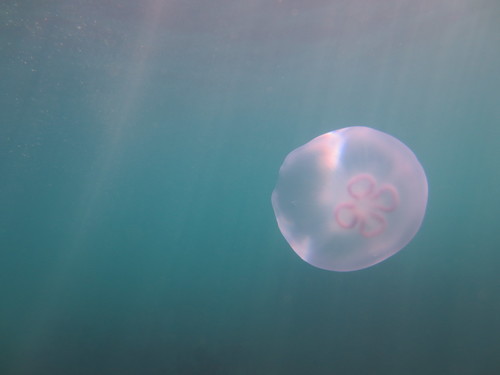
Close Relative (c) Chris Teague, some rights reserved (CC BY), uploaded by Chris Teague · cc-by
Keep collecting in Fauna
Found in Collections
Species set Pro
Ocean Creatures
Common Moon Jelly is found in this collection. Identify it in Fauna to fill this slot and continue your progress.
Unlock to track progress
Help improve the field guideSomething wrong?
Checking your Fauna account…Report a name, category, or profile issue for review.