
Invertebrate · GBIF taxon 2227381
Appalachian Brook Crayfish
Cambarus bartoniiAlso known as Common Crayfish, Barton's Crayfish, Freshwater Lobster, Mudbug
Appalachian brook crayfish anchor aquatic food webs in oxygen-rich mountain streams across eastern North America. Spending daylight hours concealed beneath rocks or inside self-dug burrows, these solitary crustaceans venture out at night to forage on organic detritus and small invertebrates. Females carry hundreds of fertilized eggs attached beneath their abdomens until the juveniles hatch and molt into independent crawlers.
FreshwaterNocturnalCrustacean
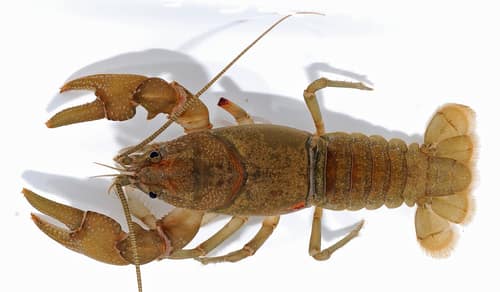
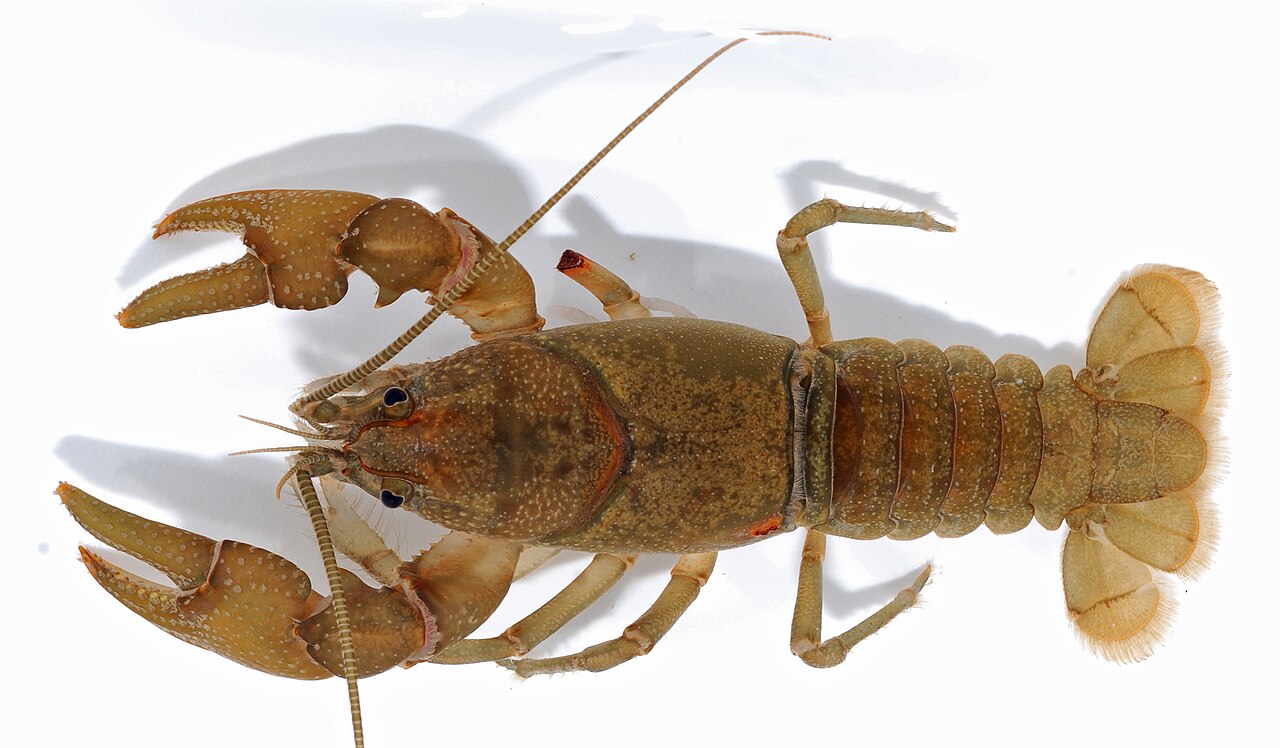
—observations
—countries
—peak records
Least ConcernConservation statusIUCN Red List categoriesLCNTVUENCREWEXLeast ConcernRed List categories, explained →
Diet & prey
- Aquatic Insects
- Detritus
- Snails
Predators
- Raccoons
- Great Blue Herons
- Smallmouth Bass
ThreatsSiltation, agricultural runoff, invasive crayfish species
HabitatsCold mountain streams, clear rocky brooks, and springs
Life span3–5 years
Size / weightNot available
Classification
- FamilyCambaridae
- SpeciesCambarus bartonii
Range data is not available yet.
Interaction riskLow
- Low
- Moderate
- High
- Very high
- Why interaction risk is low
- Pincers can deliver a painful pinch if handled; observe in place without picking them up.
Responsible observation
- Flashlight Spotting: Scan shallow, riffled stream edges after dark with a flashlight to spot actively foraging individuals.
- Rock Etiquette: Carefully replace turned stream stones to avoid crushing hidden crustaceans or disrupting their microhabitats.
- Pincer Avoidance: Keep hands clear of open claws if gently exploring shallow water around them.
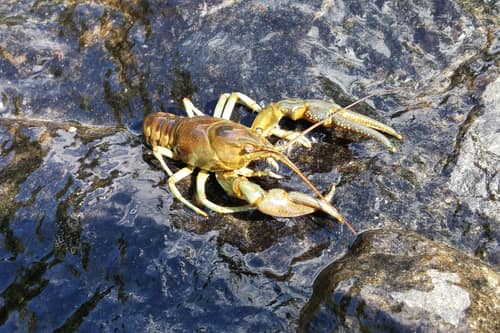
Invasive Competitor (c) Kristof Zyskowski, some rights reserved (CC BY), uploaded by Kristof Zyskowski · cc-by Image unavailable
Co-occurring Native 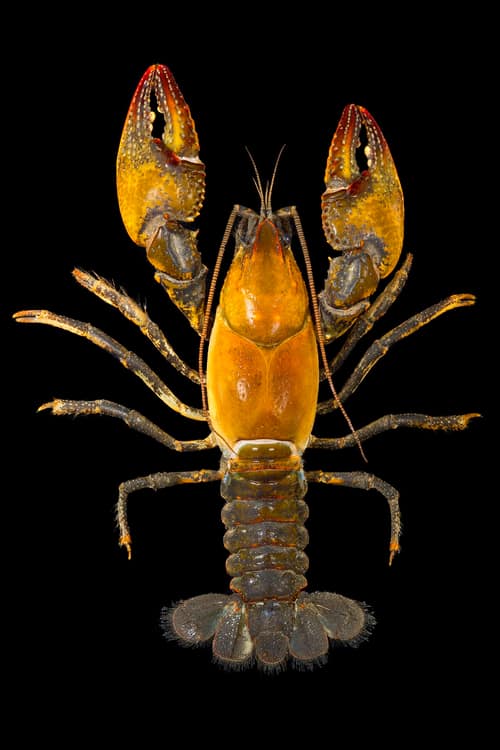
Close Relative Lacunicambarus / CC BY-SA 4.0 · cc-by-sa
Help improve the field guideSomething wrong?
Checking your Fauna account…Report a name, category, or profile issue for review.