
Invertebrate · GBIF taxon 2225699
Atlantic Sand Crab
Emerita talpoidaAlso known as Atlantic Mole Crab, Sand Fiddler, Mole Crab, Sand Flea
Atlantic sand crabs burrow backward into wet, wave-swept sand along ocean beaches, leaving only their feathery antennae exposed to filter micro-organisms from incoming and receding tides. Females grow significantly larger than males and carry bright orange egg masses tucked under their abdomens throughout the warmer months. As tides shift, entire populations move up and down the slope, reburying themselves in seconds after every wave wash.
CrustaceanFilter FeederIntertidal
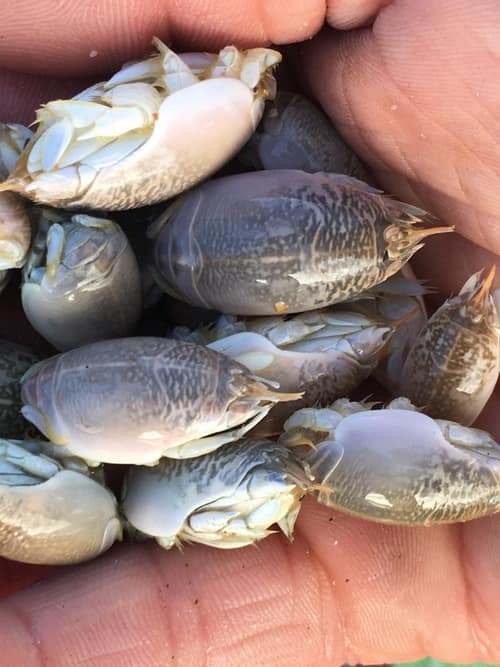
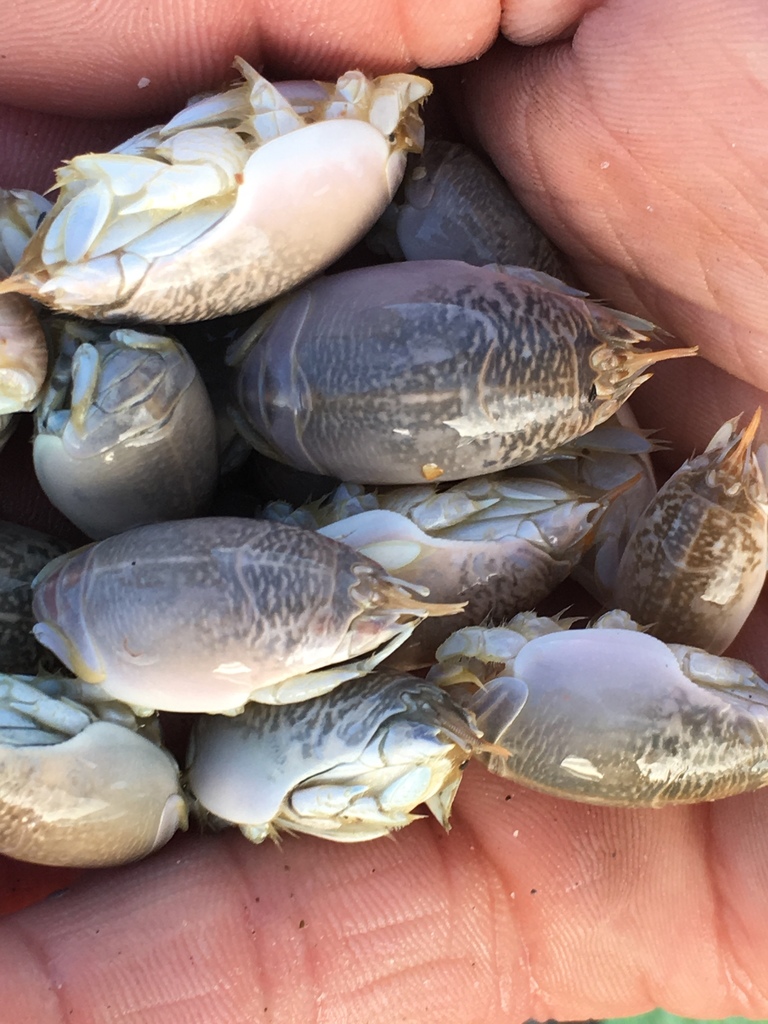 1 / 7
1 / 7—observations
—countries
—peak records
Not EvaluatedConservation statusIUCN Red List categoriesLCNTVUENCREWEXNot Evaluated — not placed on the risk ladderRed List categories, explained →
Diet & prey
- Phytoplankton
- Zooplankton
- Organic Detritus
Predators
- Shorebirds
- Surf Fish
- Ghost Crabs
ThreatsBeach nourishment projects, coastal pollution, and habitat disruption
HabitatsIntertidal sandy beaches and shallow surf zones
Life span1–2 years
Classification
- OrderDecapoda
- FamilyHippidae
- GenusEmerita
- SpeciesEmerita talpoida
Range data is not available yet.
Interaction riskLow
- Low
- Moderate
- High
- Very high
- Why interaction risk is low
- Safe to observe at a normal distance.
Responsible observation
- Locating in the surf: Look for V-shaped ripples formed by their exposed antennae in receding wave swash.
- Gentle handling: Hold them gently with damp hands or wet sand and watch them burrow backward.
- Safe release: Place them back into the active swash zone so they can immediately rebury.
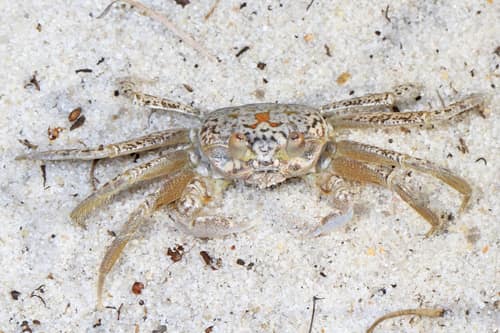
Frequent Companion (c) Judy Gallagher, some rights reserved (CC BY) · cc-by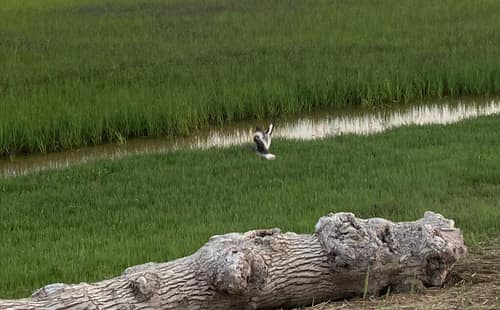
Predator (c) Tom Norton, some rights reserved (CC BY) · cc-by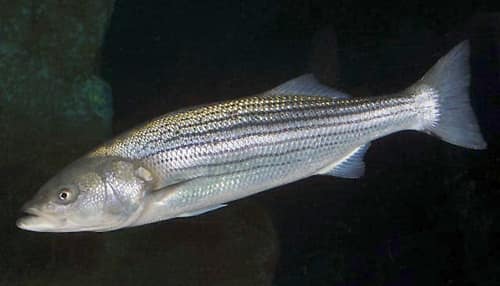
Predator D Ross Robertson / Public domain · cc0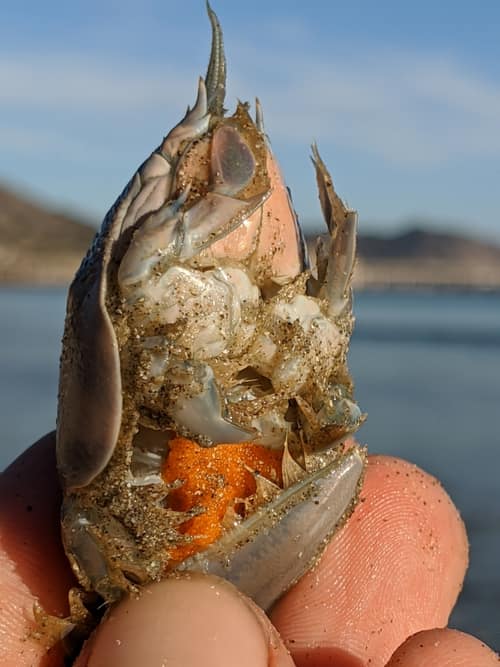
Close Relative no rights reserved, uploaded by Alex Heyman · cc0
Help improve the field guideSomething wrong?
Checking your Fauna account…Report a name, category, or profile issue for review.