
Invertebrate
Atlantic Mangrove Ghost Crab
Ucides cordatusAlso known as Swamp Ghost Crab, Mangrove Root Crab, Uca Crab
Atlantic mangrove ghost crabs serve as vital ecosystem engineers of coastal wetlands, processing immense quantities of fallen leaf litter and aerating dense, anoxic mud through extensive burrow excavation. Males display noticeably unequal claws fringed with stiff bristles, brandishing them during synchronized reproductive mass gatherings known locally as the 'andada'. Their seasonal foraging patterns strongly regulate nutrient cycling across subtropical estuaries, anchoring both coastal food webs and local artisanal fisheries.
CrustaceanMangrove DwellerBurrower
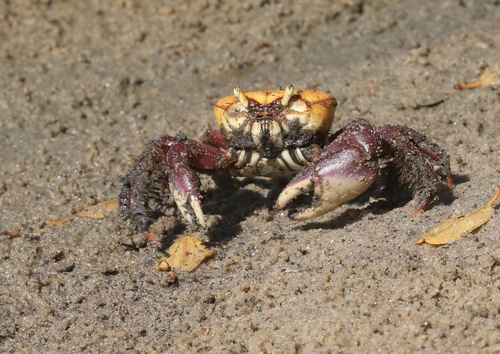
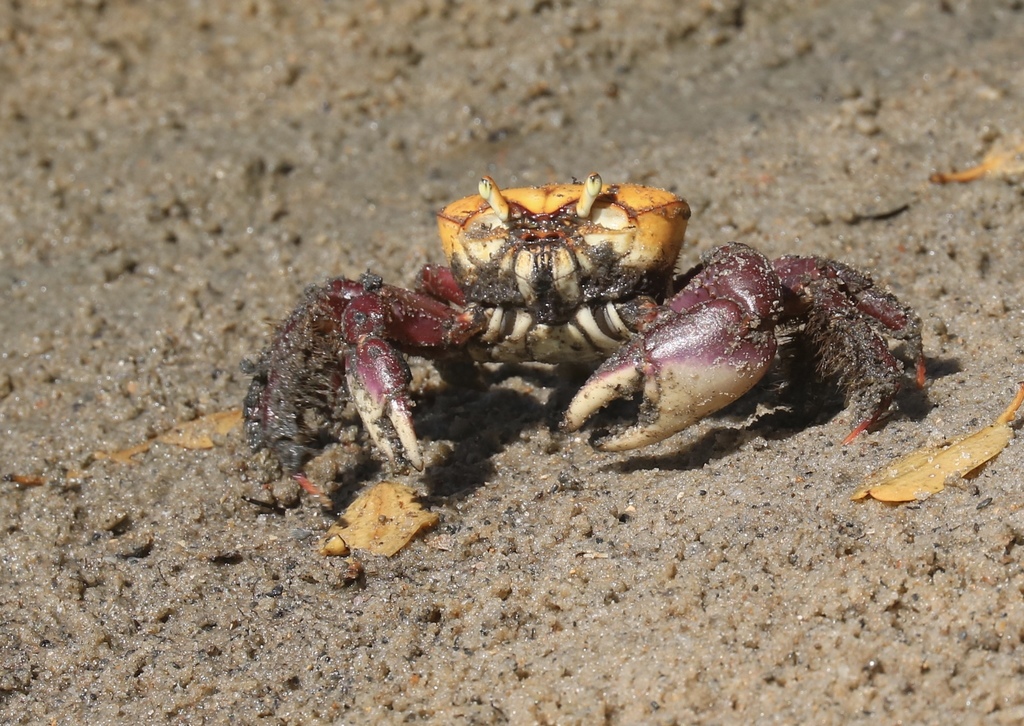
—observations
—countries
—peak records
Least ConcernConservation statusIUCN Red List categoriesLCNTVUENCREWEXLeast ConcernRed List categories, explained →
Diet & preyRed Mangrove Leaves, Black Mangrove Seedlings, Organic Detritus
Predators
- Crab-eating Raccoon
- Yellow-crowned Night Heron
- Scarlet Ibis
ThreatsMangrove deforestation, unsustainable artisanal overharvesting, water pollution, and lethargic crab disease
HabitatsMangrove swamps, estuarine mudflats, and intertidal coastal wetlands
Life span8–10 years
Classification
- FamilyOcypodidae
- SpeciesUcides cordatus
Range data is not available yet.
Interaction riskLow
- Low
- Moderate
- High
- Very high
- Why interaction risk is low
- Large chelae can deliver a painful pinch; observe burrows without reaching in.
- Why it is dangerous
- Powerful chelae can exert substantial crushing force, resulting in painful pinches and broken skin if seized.
- How to recognize a risky encounter
- Look for a robust, bluish-gray or purplish carapace with stout, hair-fringed walking legs and one noticeably enlarged claw.
- What to do
- Maintain a respectful distance on boardwalks and avoid inserting fingers into active mud burrows.
Responsible observation
- Tide timing: Search exposed mangrove root networks during low tide when crabs emerge to forage on fallen leaves.
- Burrow etiquette: Keep footsteps light and avoid trampling subterranean tunnels in the soft mud.
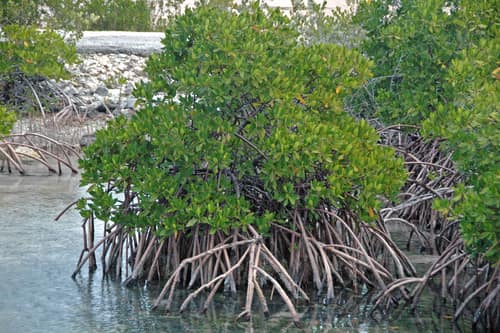
Host Plant (c) James St. John, some rights reserved (CC BY) · cc-by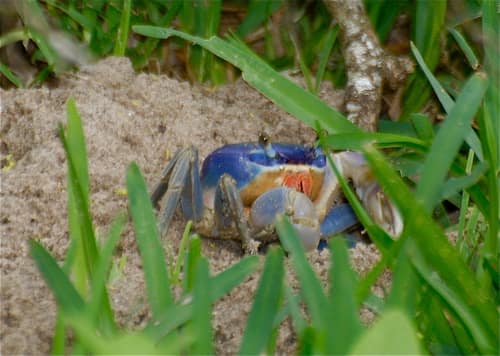
Ecological Neighbor (c) Jay Pruett, some rights reserved (CC BY) · cc-by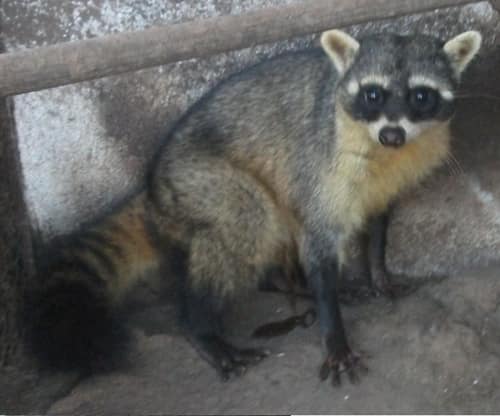
Predator Melisa Banchero / CC BY-SA 4.0 · cc-by-sa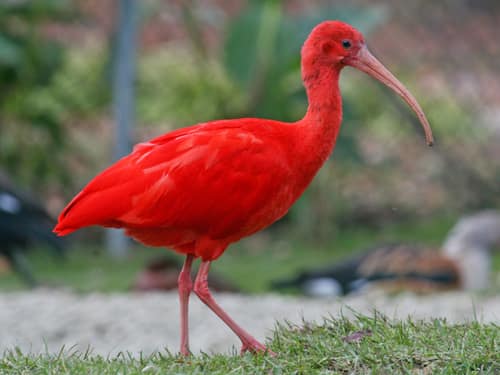
Predator (c) Dick Daniels, some rights reserved (CC BY-SA) · cc-by-sa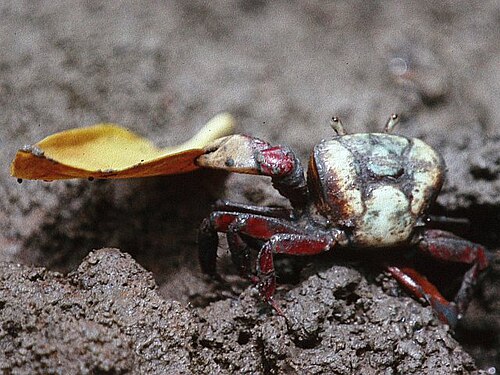
Close Relative Umehlig / CC BY-SA 2.5 · cc-by-sa
Help improve the field guideSomething wrong?
Checking your Fauna account…Report a name, category, or profile issue for review.