
Arachnid
Lone Star Tick
Amblyomma americanumAlso known as Northeastern Water Tick, Turkey Tick, Cricker Tick
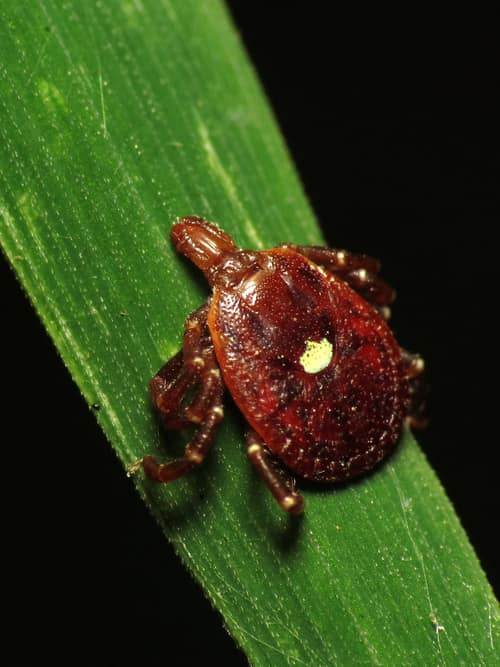
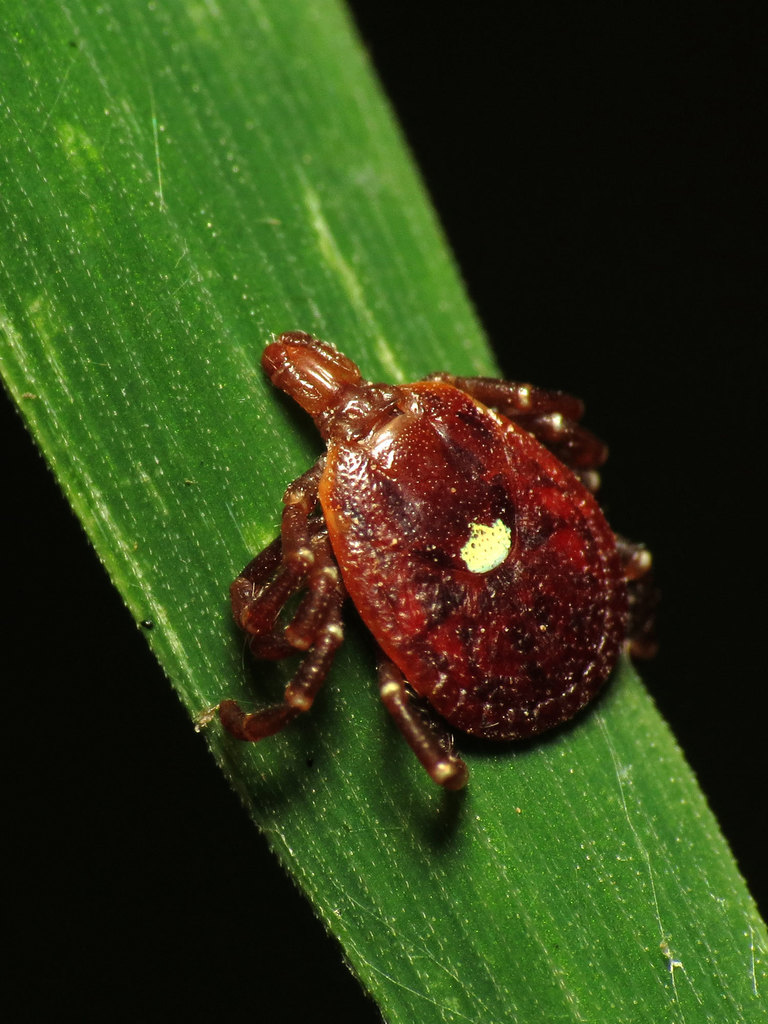
Lone star ticks are aggressive, fast-moving parasites known for their active hunting strategy called questing, where they climb vegetation to latch onto passing hosts. Adult females are distinguished by a single silvery-white spot on their backs, while larvae and nymphs swarm host animals in large numbers during warm months. Uniquely among North American ticks, bites from this species can trigger alpha-gal syndrome, causing severe, lifelong allergies to mammalian meat.
ParasiticAggressiveVector
—observations
—countries
—peak records
Not EvaluatedConservation statusIUCN Red List categoriesLCNTVUENCREWEXNot Evaluated — not placed on the risk ladderRed List categories, explained →
Diet & preyBlood of mammals, birds, and reptiles
Predators
- Virginia Opossum
- Wild Turkey
- Guinea Fowl
ThreatsSub-zero winter temperatures, controlled burns, and pesticide applications
HabitatsDeciduous forests, dense brush, and overgrown fields
Life span2–3 years
Classification
- OrderIxodida
- FamilyIxodidae
- GenusAmblyomma
- SpeciesAmblyomma americanum
Range data is not available yet.
Interaction riskModerate
- Low
- Moderate
- High
- Very high
- Why interaction risk is moderate
- Transmits bacterial pathogens and can induce red meat allergy; wear repellent and check skin after outdoor activity.
- Why it is dangerous
- Bites transmit bacteria causing ehrlichiosis and STARI, and saliva can induce alpha-gal syndrome, triggering severe allergic reactions to red meat.
- How to recognize a risky encounter
- Recognized by a small brown, flattened body, with adult females displaying a single prominent silvery spot on the back.
- What to do
- Do not touch with bare skin; grasp attached ticks near the skin with fine tweezers and pull firmly straight upward.
Responsible observation
- Wear Protection: Tuck pants into socks and apply permethrin to clothing before entering dense brush.
- Prompt Removal: Use fine-tipped tweezers to pull attached ticks straight out without twisting or squeezing.
- Monitor Health: Save removed ticks in sealed containers and watch for fever, rash, or body aches.
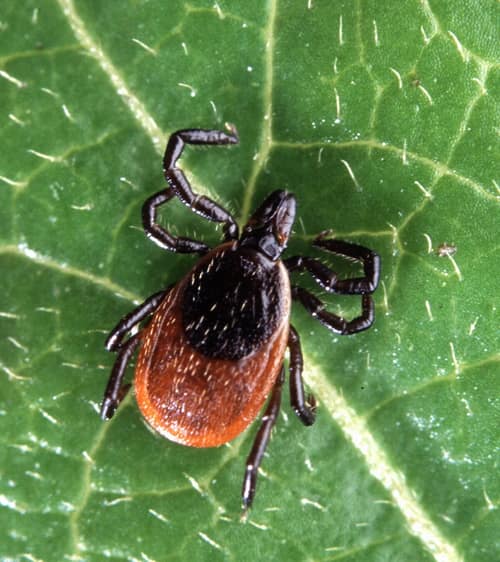
Co-Occurring Vector Photo by Scott Bauer. / Public domain · cc0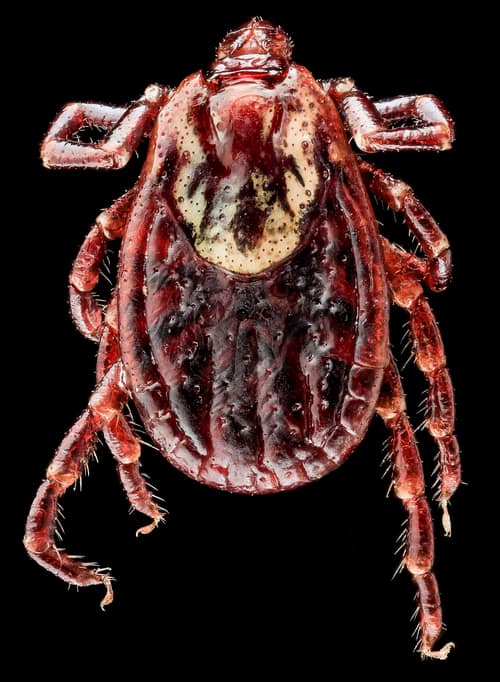
Competitor Sam Droege / CC BY 2.0 · cc-by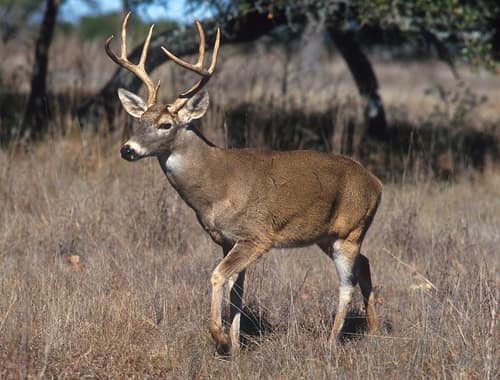
Primary Host USDA photo by Scott Bauer / Public domain · cc0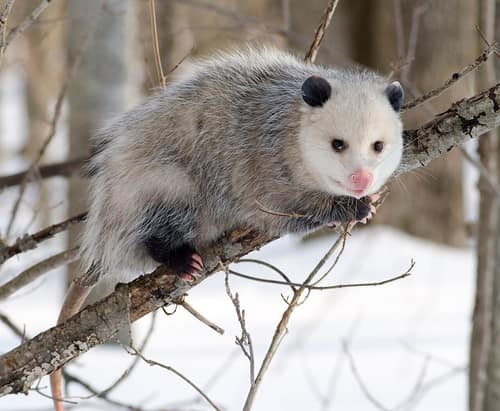
Predator Cody Pope / CC BY-SA 2.5 · cc-by-sa
Help improve the field guideSomething wrong?
Checking your Fauna account…Report a name, category, or profile issue for review.