
Arachnid · GBIF taxon 2183450
Winter Tick
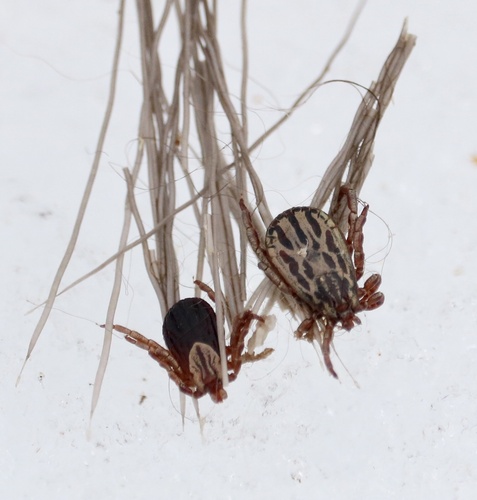
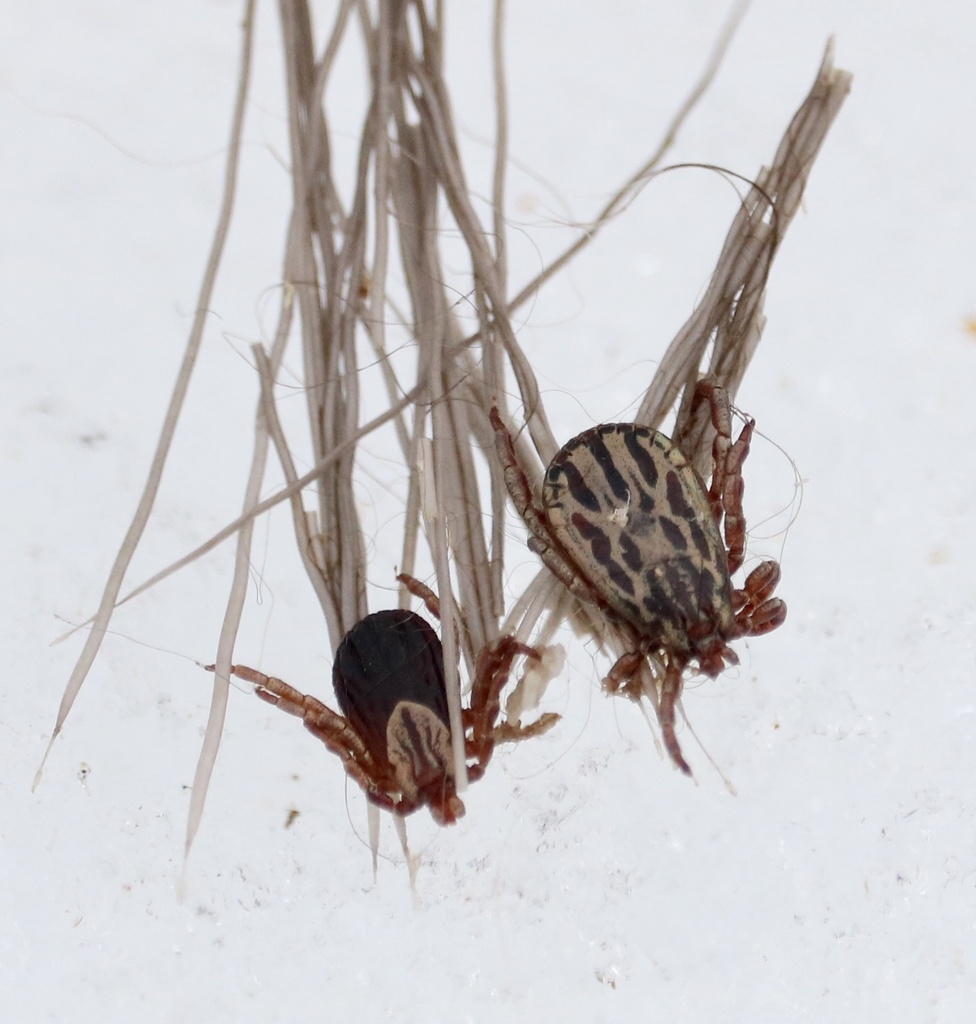
Dermacentor albipictusAlso known as Moose Tick, Horse Tick
Winter ticks follow an unusual one-host lifecycle, questing in clumps on autumn vegetation before boarding a single ungulate host to feed and molt through the coldest months. Unlike other tick species that drop off between developmental stages, winter ticks remain anchored in dense fur until engorged females release in spring to lay thousands of eggs in leaf litter. Heavy infestations severely drain host reserves, causing moose to rub away their insulating winter coats in a futile attempt to dislodge tens of thousands of parasites.
ParasiteBorealWoodland
 1 / 3
1 / 3—observations
—countries
—peak records
Not EvaluatedConservation statusIUCN Red List categoriesLCNTVUENCREWEXNot Evaluated — not placed on the risk ladderRed List categories, explained →
Diet & prey
- Moose blood
- Elk blood
- White-tailed deer blood
Predators
- Black-capped chickadee
- Ground beetles
- Ants
ThreatsSevere cold snaps during questing periods, heavy snow cover during drop-off, and host grooming
HabitatsBoreal forests, mixed woodlands, brushlands, and montane forests
Life span1 year
Classification
- FamilyIxodidae
- SpeciesDermacentor albipictus
Range data is not available yet.
Interaction riskModerate
- Low
- Moderate
- High
- Very high
- Why interaction risk is moderate
- Occasionally bites humans and domestic animals; inspect clothing and skin after walking through autumn brush.
- Why it is dangerous
- Tick bites can transfer bacteria and cause secondary infections or dermatological irritation, though this species rarely parasitizes humans.
- How to recognize a risky encounter
- Look for a flat, reddish-brown oval body with an off-white, patterned dorsal shield and eight legs clustered near the head.
- What to do
- Do not squeeze or twist attached ticks during removal; disinfect the bite area immediately after extraction.
Responsible observation
- Autumn Precautions: Wear light-colored clothing and tuck pants into socks when walking through brushy ungulate trails during October and November.
- Removal Technique: Grasp attached ticks near the skin surface with fine-tipped tweezers and pull outward with slow, steady pressure.
- Pet Inspections: Brush and inspect horses and dogs thoroughly after visits to forested areas frequented by deer or moose.
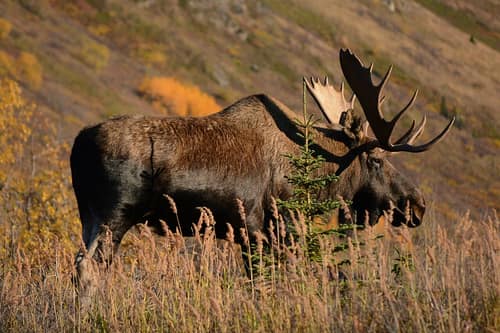
Primary Host Paxson Woelber / CC BY-SA 4.0 · cc-by-sa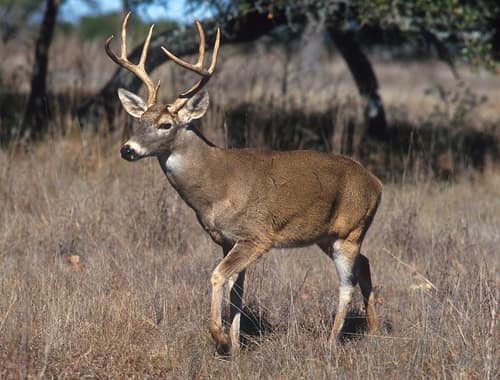
Competent Host USDA photo by Scott Bauer / Public domain · cc0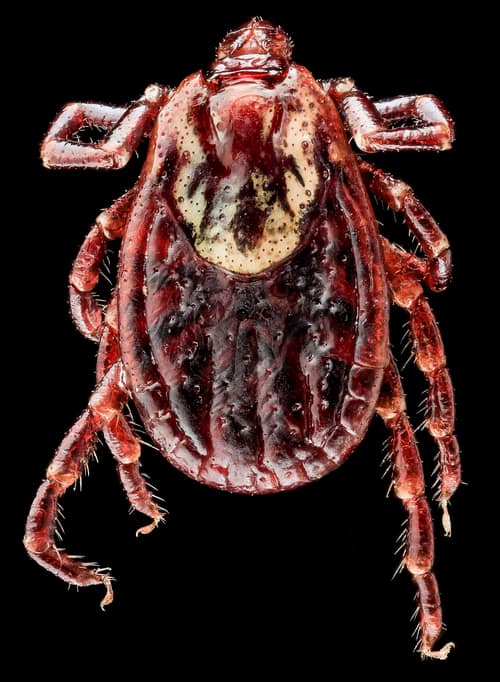
Close Relative Sam Droege / CC BY 2.0 · cc-by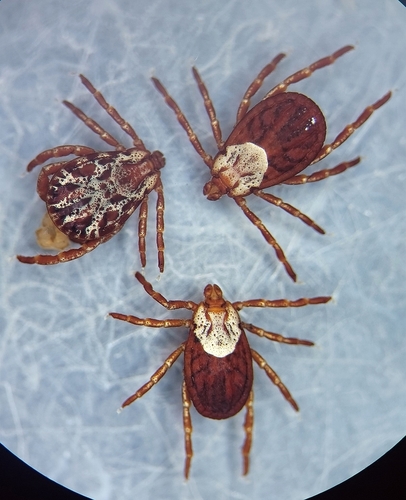
Close Relative (c) Toby, some rights reserved (CC BY) · cc-by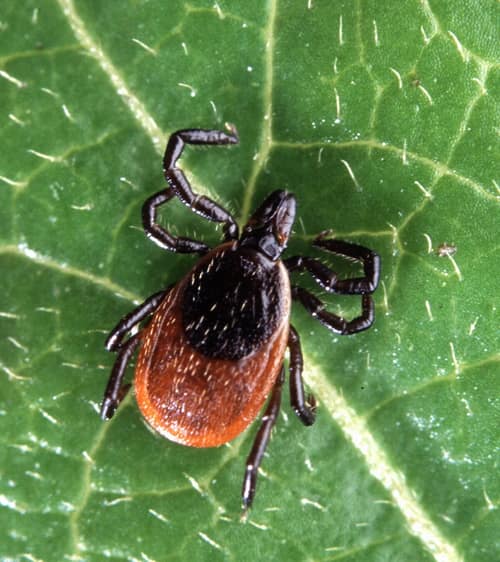
Same Family Photo by Scott Bauer. / Public domain · cc0
Help improve the field guideSomething wrong?
Checking your Fauna account…Report a name, category, or profile issue for review.