
Arachnid
Rocky Mountain Wood Tick
Dermacentor andersoniAlso known as Wood Tick, Rocky Mountain Tick
Rocky Mountain wood ticks inhabit brushy trails, grassy slopes, and open woodlands across the interior Pacific Northwest and Rocky Mountains. Adults climb onto low vegetation with outstretched legs, waiting to anchor onto passing mammals such as deer, livestock, or humans for a blood meal. During feeding, females swell dramatically over several days before dropping to the soil to lay thousands of eggs.
ParasiticVectorArachnid
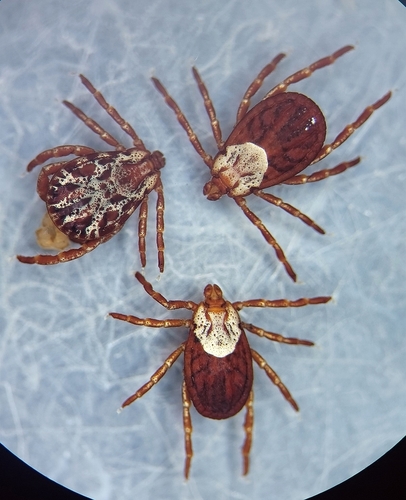
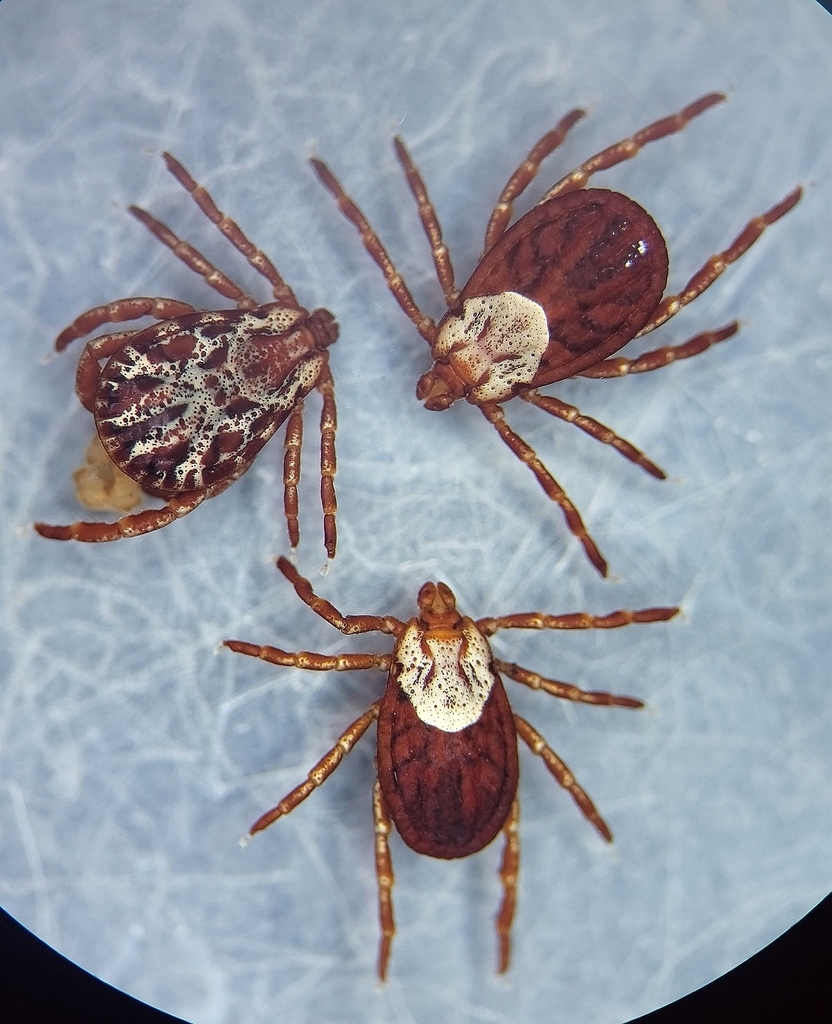
—observations
—countries
—peak records
Not EvaluatedConservation statusIUCN Red List categoriesLCNTVUENCREWEXNot Evaluated — not placed on the risk ladderRed List categories, explained →
Diet & preyMammal Blood
Predators
- Birds
- Small Mammals
- Ants
ThreatsHabitat alteration, host availability fluctuations
HabitatsMontane forests, shrublands, grasslands, brushy trails
Life span1–3 years
Classification
- OrderIxodida
- FamilyIxodidae
- GenusDermacentor
- SpeciesDermacentor andersoni
Range data is not available yet.
Interaction riskModerate
- Low
- Moderate
- High
- Very high
- Why interaction risk is moderate
- Carries Colorado tick fever and Rocky Mountain spotted fever; check body thoroughly and remove attached ticks promptly.
- Why it is dangerous
- Transmits bacterial and viral pathogens including Colorado tick fever, Rocky Mountain spotted fever, and tularemia through attachment.
- How to recognize a risky encounter
- Look for a flat, brownish, eight-legged arachnid with a patterned silvery shield on its upper back.
- What to do
- Avoid tall grass on trail margins, and extract attached ticks immediately using fine tweezers without squeezing the body.
Responsible observation
- Tuck Clothing: Wear light-colored long pants tucked into socks when hiking brushy trails.
- Perform Tick Checks: Inspect skin, gear, and pets immediately after returning indoors.
- Safe Removal: Use fine-tipped tweezers to grasp the tick near the skin and pull straight up.
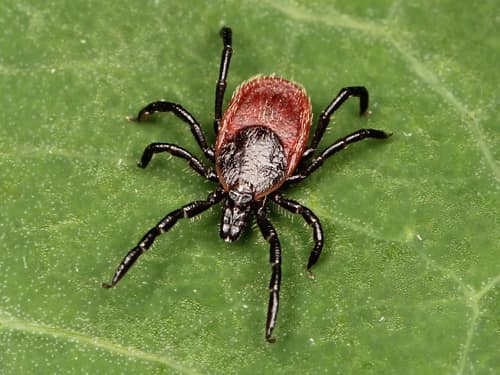
Co-occurring Vector no rights reserved, uploaded by Zygy · cc0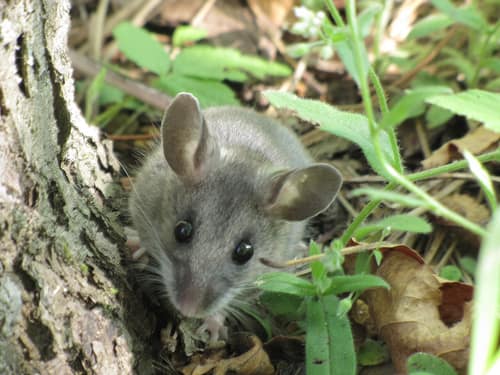
Nymphal Host Seney Natural History Association / CC BY-SA 2.0 · cc-by-sa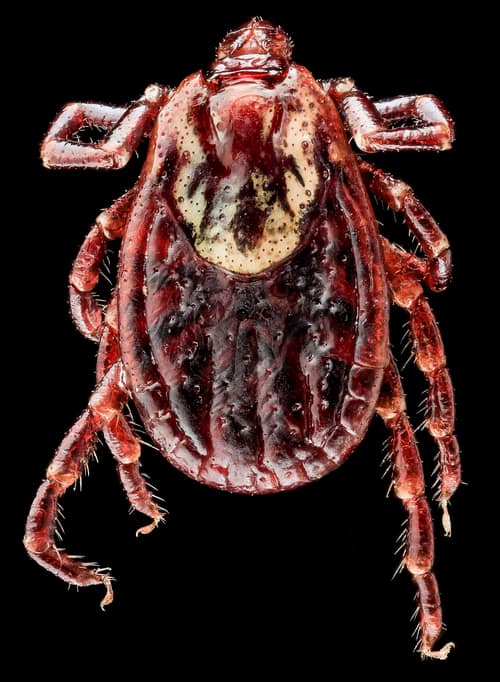
Close Relative Sam Droege / CC BY 2.0 · cc-by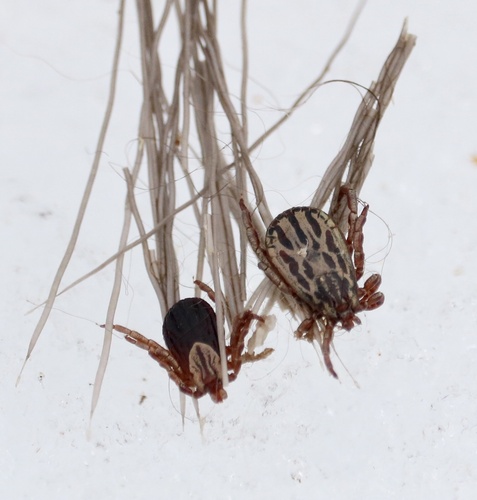
Close Relative (c) Dustin Snider, certains droits réservés (CC BY), publiées par Dustin Snider · cc-by
Help improve the field guideSomething wrong?
Checking your Fauna account…Report a name, category, or profile issue for review.