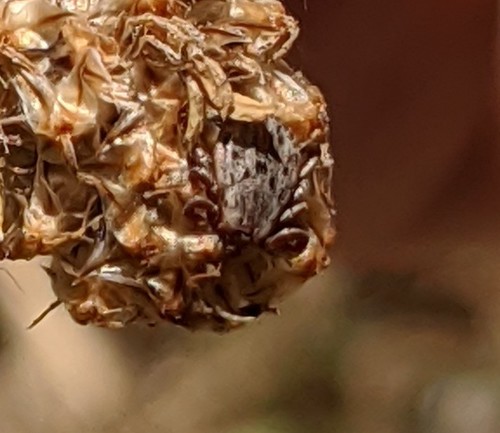
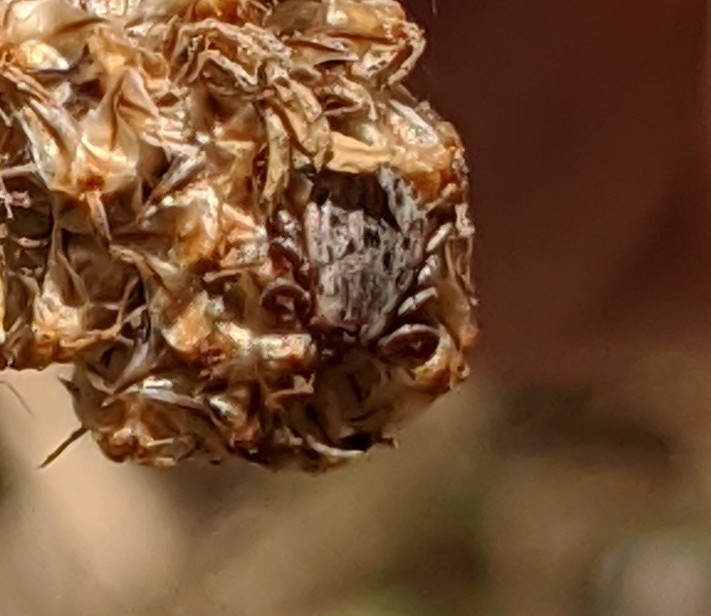
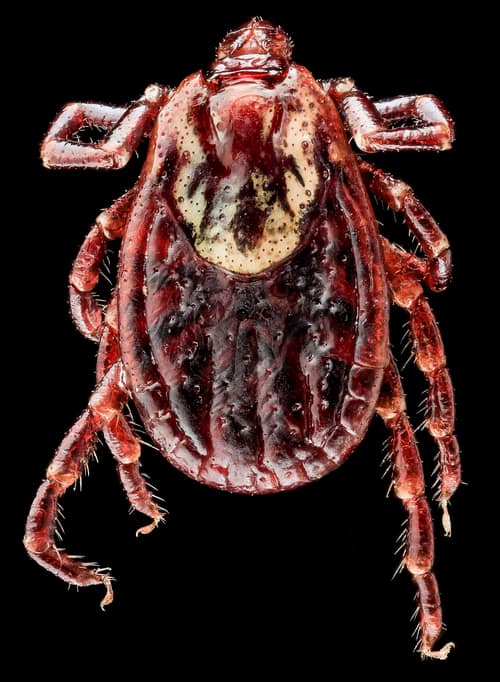
Pacific Coast ticks are three-host parasites native to the chaparral, brushlands, and oak savannas of the Pacific slope. Adults wait atop low shrubs and grasses in a posture known as questing, holding their front legs outstretched to snag passing hosts. While larvae and nymphs feed primarily on rodents and lizards, adults target larger mammals, occasionally transmitting tick-borne rickettsial illnesses.
Not EvaluatedConservation statusIUCN Red List categoriesLCNTVUENCREWEXNot Evaluated — not placed on the risk ladderRed List categories, explained →
Key facts
Diet & prey
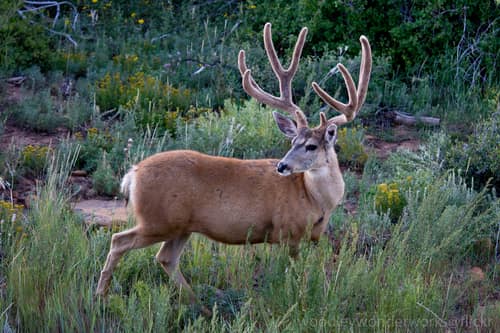
Mule Deer
California Ground Squirrel
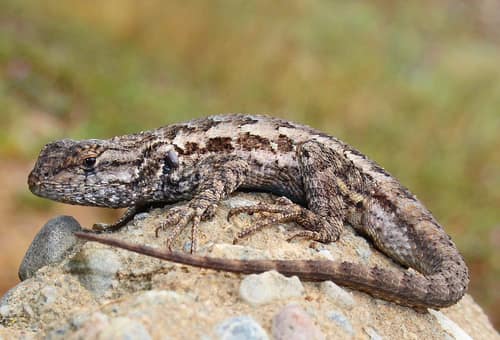
Western Fence Lizard
Predators
Western Fence Lizard
California Quail
Ground Beetles
ThreatsProlonged severe drought and extensive brush clearing
HabitatsChaparral, coastal sage scrub, oak woodlands, grasslands
Life span1–3 years
Classification
FamilyIxodidae
SpeciesDermacentor occidentalis
Range & activity
Range data is not available yet.
Safe observation
Interaction riskModerate
Low
Moderate
High
Very high
Why interaction risk is moderate
Transmits bacterial pathogens including spotted fever; wear repellent and check skin thoroughly after hikes.
Why it is dangerous
Bites can transmit bacterial pathogens including Rickettsia philipii and Francisella tularensis, resulting in fever, localized necrotic ulcers, and systemic illness.
How to recognize a risky encounter
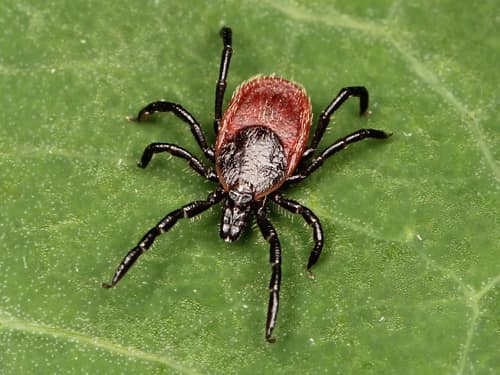
Look for a teardrop-shaped arachnid roughly four millimeters long with an ornate, mottled silvery-gray scutum over a reddish-brown body.
What to do
Do not squeeze the abdomen or burn attached ticks; pull steadily upward with clean fine-tipped tweezers close to the skin.
Responsible observation
Trail Caution: Walk in the center of paths to avoid brushing questing ticks off overhanging vegetation.
Post-Hike Checks: Inspect clothing, hairline, and gear promptly after navigating dense chaparral.
Safe Removal: Grasp embedded ticks with fine tweezers against the skin and pull straight outward.