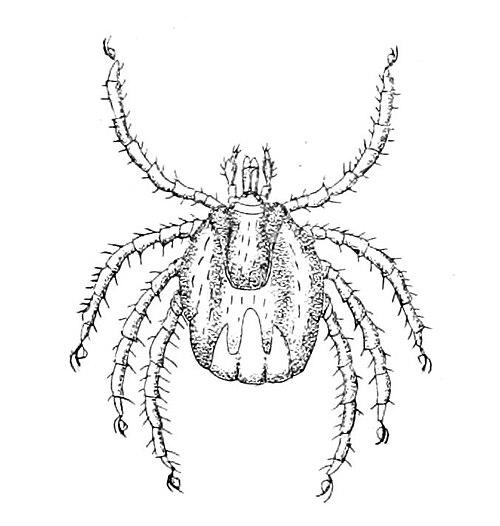
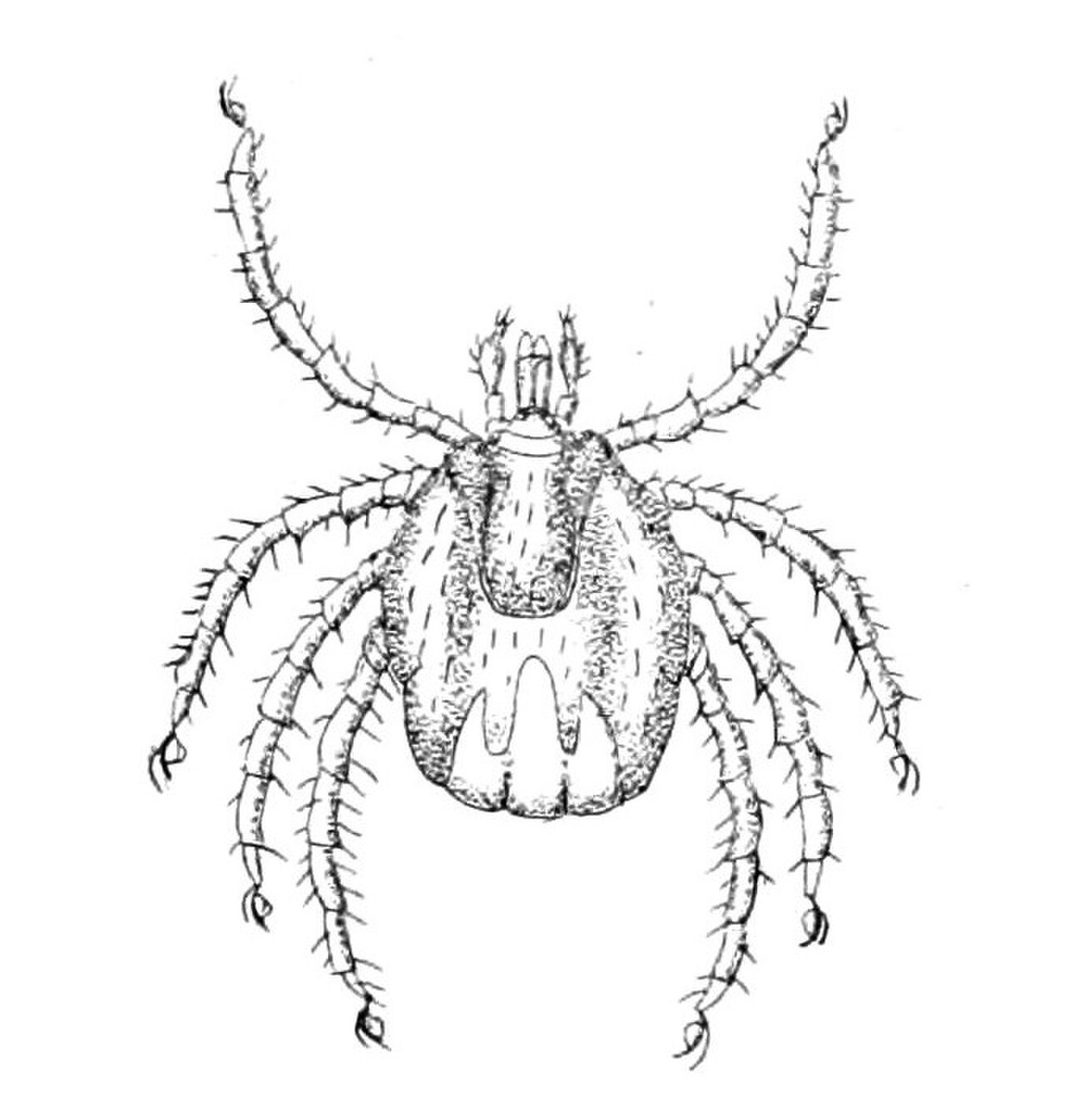
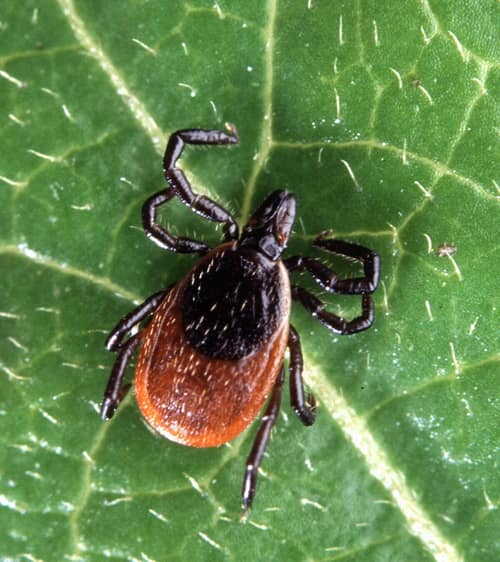
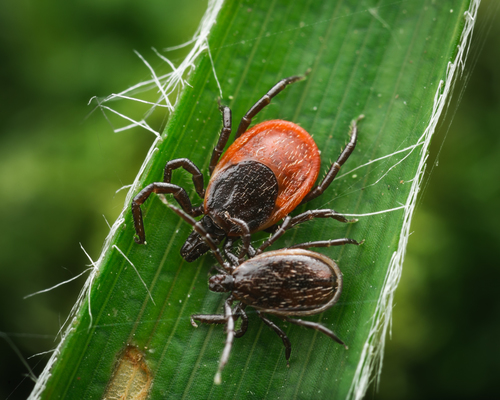
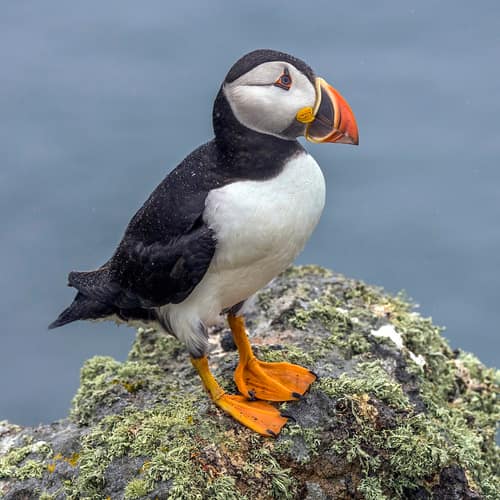
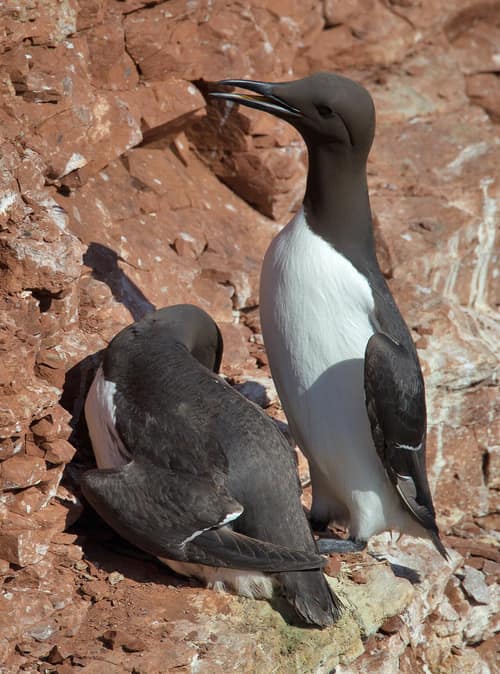
Seabird ticks thrive in harsh subpolar and polar coastal environments, sheltering deep within rocky crevices, turf burrows, and nesting ledges between sporadic blood meals. Adapted to the seasonal breeding cycles of colonial seabirds, individuals can endure months of freezing temperatures and starvation while waiting for hosts to return. Their feeding can cause severe anemia in chicks and transmits a variety of avian pathogens, including strains of Lyme disease borreliae and marine arboviruses.
Can transmit Borrelia bacteria and arboviruses via bites; avoid contact in seabird nesting colonies.
Why it is dangerous
Bites can transmit pathogenic bacteria like Borrelia garinii and several marine arboviruses, resulting in fever, neurological symptoms, and local tissue inflammation.
How to recognize a risky encounter
Look for small, rounded, dark brown to grayish hard ticks lurking inside rocky crevices near active seabird nesting ledges.
What to do
Do not sit or place gear directly on colony rocks, and remove attached specimens promptly with tweezers without squeezing the body.
Responsible observation
Protective Clothing: Wear light-colored, tucked clothing and gaiters when traversing seabird nesting terrain.
Post-Hike Checks: Inspect clothing, boots, and skin carefully after visiting coastal sea cliffs.
Prompt Removal: Use fine-tipped tweezers to pull any attached tick straight out by the mouthparts.