
Arachnid
Shamrock Orbweaver
Araneus trifoliumAlso known as Shamrock Spider
Shamrock orbweavers construct large, wheel-shaped webs strung across tall grasses, shrubs, and meadow edges to snag flying insects. Mature females swell dramatically by late summer and autumn, displaying striking abdominal color phases ranging from creamy white and pale yellow to rust orange, dark brown, and purplish red. By day, the spider usually hides inside a silk-lined curled leaf retreat at the web's margin, monitoring prey vibrations via a taut signal line.
OrbweaverAutumnalPredator
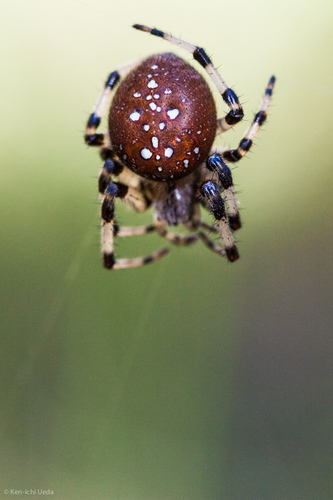
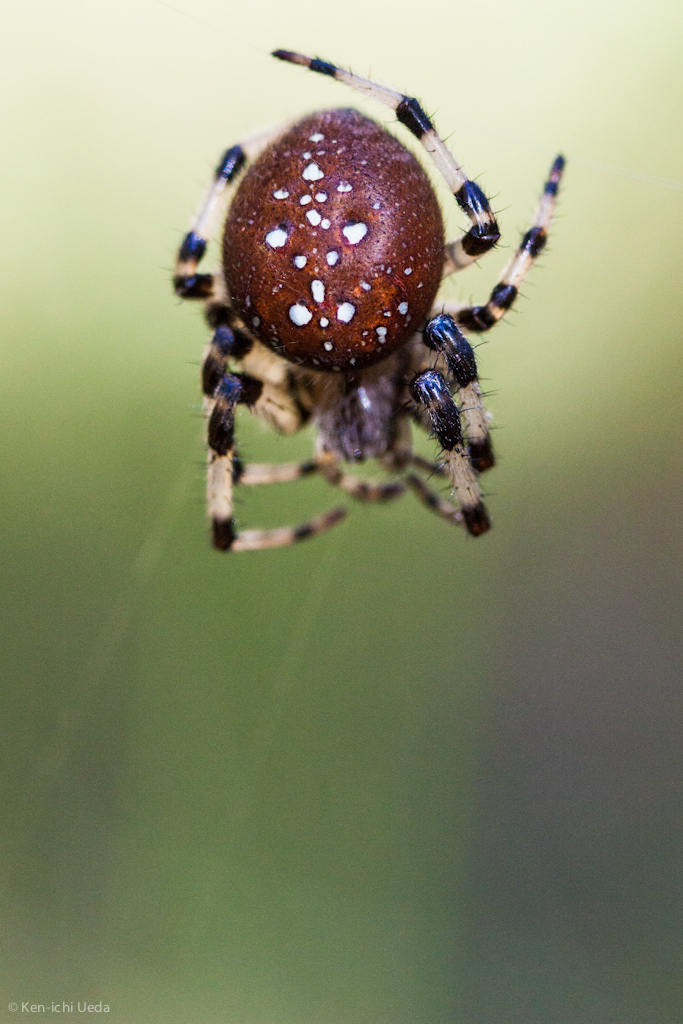
—observations
—countries
—peak records
Not EvaluatedConservation statusIUCN Red List categoriesLCNTVUENCREWEXNot Evaluated — not placed on the risk ladderRed List categories, explained →
Diet & preyGrasshoppers, Moths, Flies
Predators
- Songbirds
- Mud dauber wasps
- Shrews
ThreatsHabitat loss from broad pesticide use and destruction of meadow vegetation.
HabitatsMeadows, old fields, marshes, forest clearings, and overgrown gardens.
Life spanApproximately 1 year
Classification
- FamilyAraneidae
- SpeciesAraneus trifolium
Range data is not available yet.
Interaction riskLow
- Low
- Moderate
- High
- Very high
- Why interaction risk is low
- Docile and non-aggressive; bites are extremely rare, harmless, and safe to observe up close.
Responsible observation
- Search foliage margins: Look for folded or curled leaves at the edge of the web where the spider hides during bright daylight.
- Nighttime viewing: Visit webs after dusk with a flashlight to observe the spider actively hanging in the central hub.
- Avoid disturbing silk anchors: Walk carefully through tall grasses so supporting silk lines remain intact.
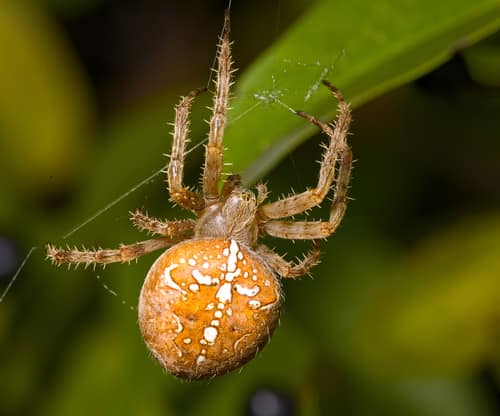
Close Relative (c) hedera.baltica, some rights reserved (CC BY-SA) · cc-by-sa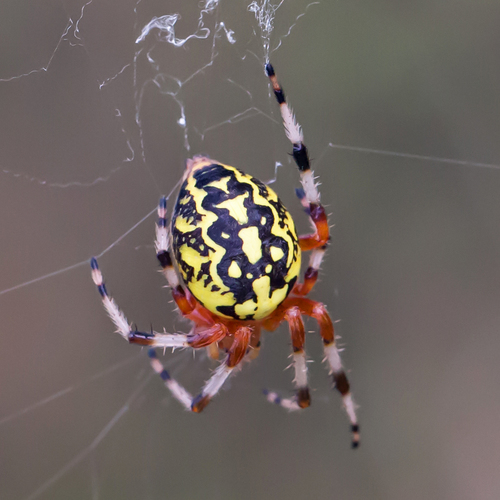
Close Relative (c) Bill Keim, some rights reserved (CC BY) · cc-by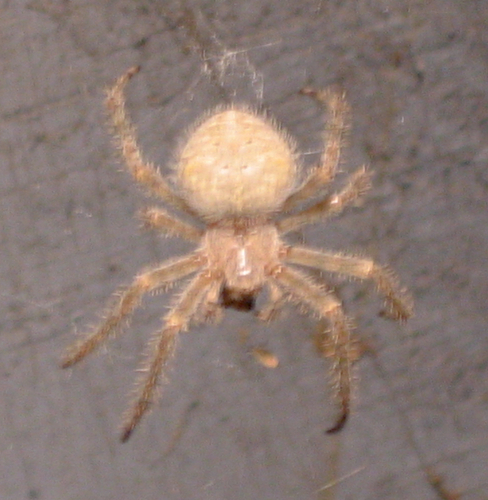
Close Relative (c) Dawn Nelson, some rights reserved (CC BY) · cc-by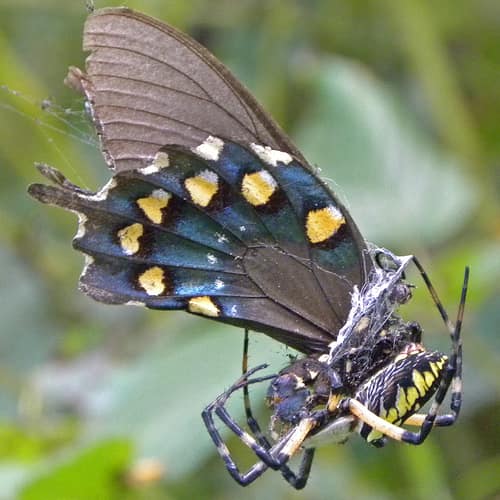
Family Member (c) M. Whitson, some rights reserved (CC BY) · cc-by
Help improve the field guideSomething wrong?
Checking your Fauna account…Report a name, category, or profile issue for review.