
Arachnid · GBIF taxon 2146643
Carolina Wolf Spider
Hogna carolinensisAlso known as Giant Wolf Spider
Carolina wolf spiders are solitary nocturnal hunters that construct deep vertical burrows lined with silk to escape extreme daytime heat. Instead of spinning webs to catch food, they rely on exceptional eyesight and swift foot speed to run down insects and small invertebrates across open ground. Females exhibit devoted maternal care, carrying their spherical egg sacs on their spinnerets and later transporting hundreds of spiderlings on their abdomen.
NocturnalBurrowingSolitary
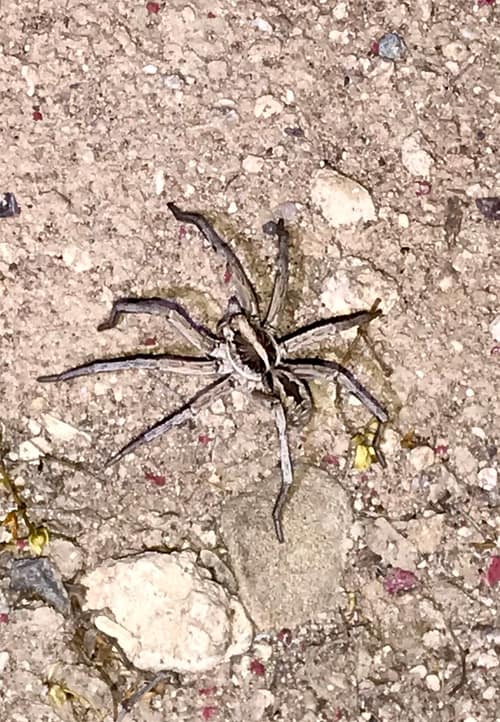
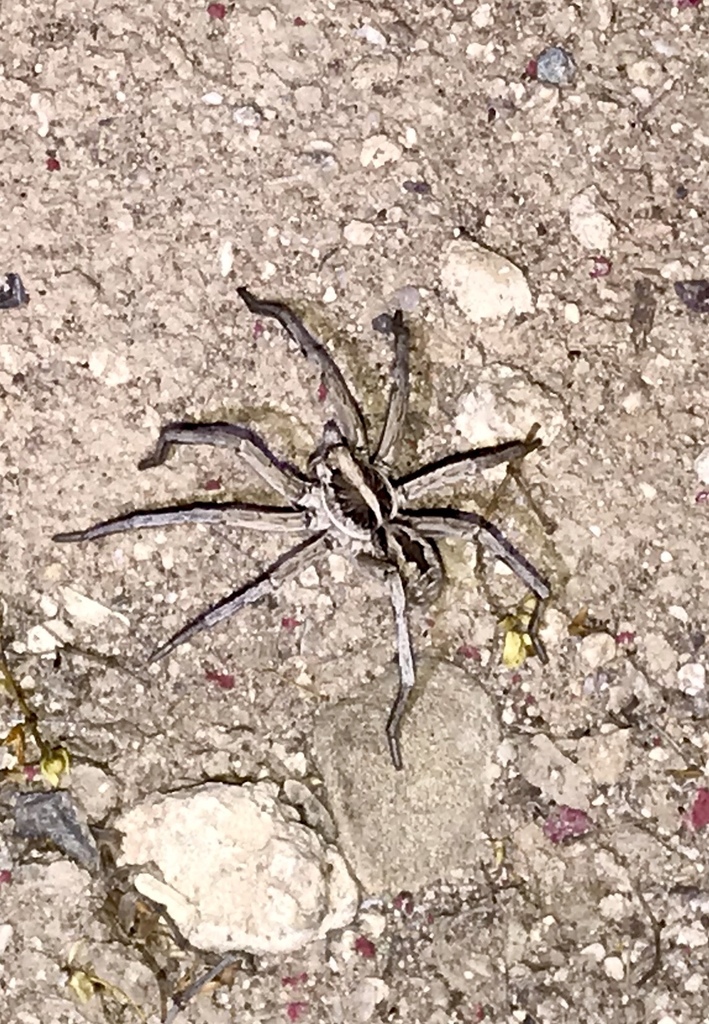
—observations
—countries
—peak records
Not EvaluatedConservation statusIUCN Red List categoriesLCNTVUENCREWEXNot Evaluated — not placed on the risk ladderRed List categories, explained →
Diet & prey
- Crickets
- Beetles
- Cockroaches
Predators
- Spider wasps
- Birds
- Small mammals
ThreatsHabitat loss, widespread pesticide use, and vehicular traffic
HabitatsDeserts, grasslands, open woodlands, shrublands, and suburban yards
Life span2–3 years
Size / weightNot available
Classification
- FamilyLycosidae
- SpeciesHogna carolinensis
Range data is not available yet.
Interaction riskLow
- Low
- Moderate
- High
- Very high
- Why interaction risk is low
- May bite defensively if pinched or handling is attempted; observe safely without touching.
Responsible observation
- Spotting at Night: Shine a flashlight at eye level to locate their bright green eye-shine in grassy areas.
- Safe Observation: Observe from a brief distance without trapping or picking up the spider by hand.
- Burrow Watching: Look for neat, silk-rimmed entrance holes in sandy or dry soil near rocks.
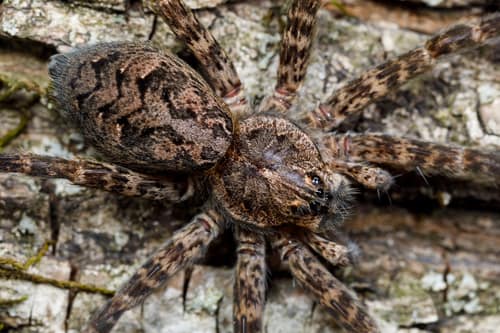
Look-alike (c) Meghan Cassidy, some rights reserved (CC BY-SA), uploaded by Meghan Cassidy · cc-by-sa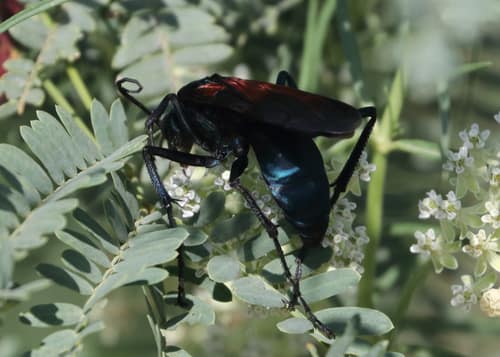
Predator (c) Seth Wollney, some rights reserved (CC BY) · cc-by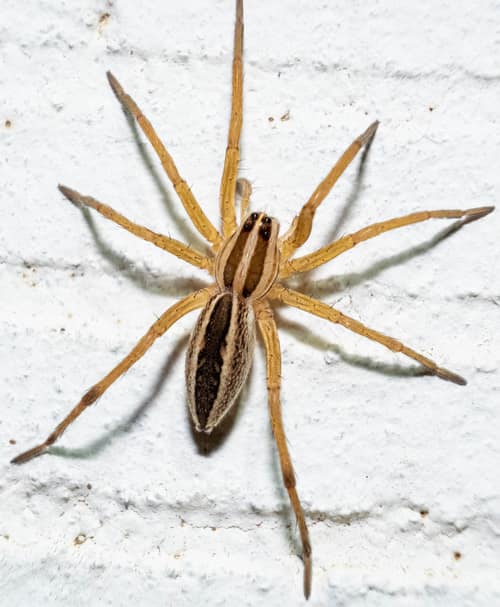
Close Relative no rights reserved, uploaded by Mirko Schoenitz · cc0
Help improve the field guideSomething wrong?
Checking your Fauna account…Report a name, category, or profile issue for review.