
Arachnid
Blue Oat Mite
Penthaleus majorAlso known as Winter Grain Mite
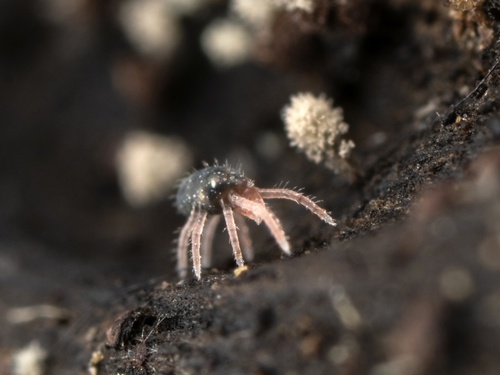
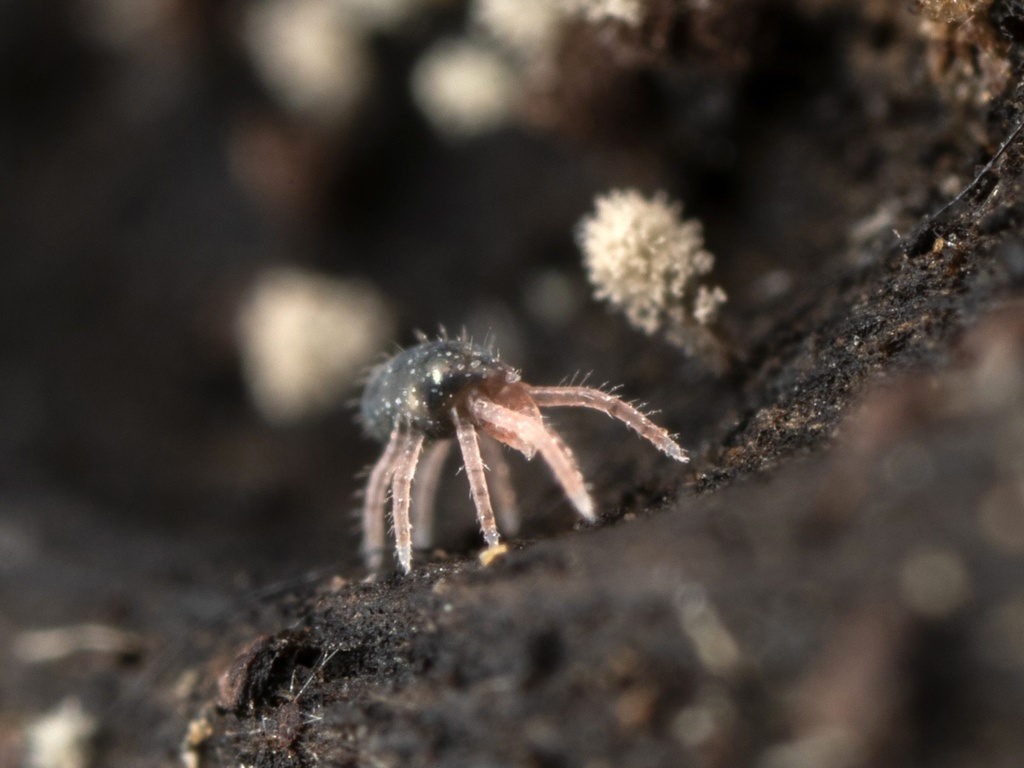
Blue oat mites thrive during cool, damp autumn and winter months, using piercing mouthparts to rupture plant cells and suck out chlorophyll. Populations are almost entirely female, reproducing through parthenogenesis and depositing heat-resistant diapause eggs in the soil that remain dormant throughout scorching summer months. Their feeding produces a distinctive silvering or whitening of cereal leaves, making them significant agricultural pests in temperate grain-growing regions worldwide.
Agricultural PestCool-SeasonSoil-Dweller
—observations
—countries
—peak records
Not EvaluatedConservation statusIUCN Red List categoriesLCNTVUENCREWEXNot Evaluated — not placed on the risk ladderRed List categories, explained →
Diet & preyOat sap, Wheat sap, Legume foliage
Predators
- Predatory mites
- Rove beetles
- Spiders
ThreatsChemical pesticides, intensive tillage, and extreme heat
HabitatsAgricultural grain fields, pastures, and grasslands
Life span30–50 days
Classification
- FamilyPenthaleidae
- SpeciesPenthaleus major
Range data is not available yet.
Interaction riskLow
- Low
- Moderate
- High
- Very high
- Why interaction risk is low
- Safe to observe at a normal distance.
Responsible observation
- Field Scouting: Inspect the undersides of seedling leaves or topsoil on cool, overcast mornings.
- Magnification: Use a 10x hand lens to resolve its distinctive red dorsal patch and reddish-orange legs.
- Sunlight Avoidance: Search during low-light hours, as mites retreat into soil cracks under bright sun.
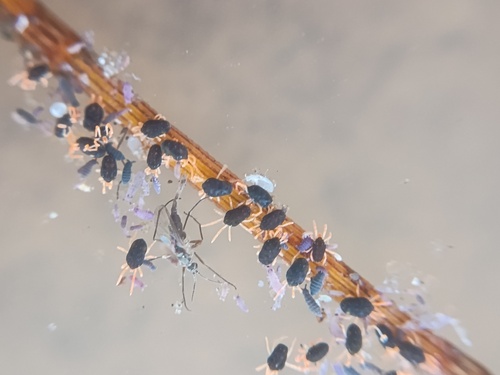
Look-alike (c) grampianshiker, some rights reserved (CC BY) · cc-by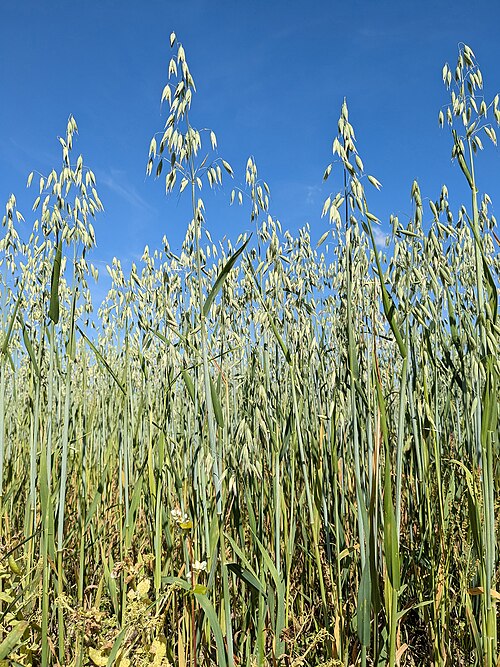
Host Plant Christian Fischer / CC BY-SA 4.0 · cc-by-sa Image unavailable
Close Relative
Help improve the field guideSomething wrong?
Checking your Fauna account…Report a name, category, or profile issue for review.